
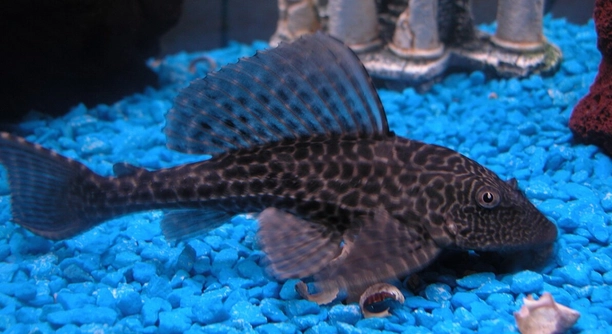
Plecos are fascinating creatures, known for their algae-eating habits in aquariums. However, they sometimes mistake various items for food. Understanding what they might nibble on can help prevent unwanted situations in your aquarium.
Plecos might mistake non-food items such as aquarium decorations, plant leaves, or even tank substrates for food. This behavior can stem from their natural instinct to nibble on surfaces to keep their mouths busy, often confusing objects for edible materials.
By recognizing these common mistakes, you can better maintain your tank’s environment and keep your plecos healthy.
Common Mistakes Plecos Make
Plecos have a natural instinct to explore their environment with their mouths. In doing so, they often mistake objects like aquarium decorations, stones, or certain plants for food. These behaviors are driven by their need to constantly forage. Plecos may nibble on non-edible items, which could lead to issues such as damaged tank decorations or even harm to the fish if they ingest something unsuitable. If your pleco is targeting items other than food, it’s essential to adjust the tank environment accordingly. Adding more food options, like algae wafers or fresh vegetables, might help redirect their attention.
Non-food items can become a serious issue when plecos ingest them, as this could lead to digestive blockages or damage to their internal systems. Keeping the tank clean and free of dangerous items, such as sharp-edged rocks or small pieces of plastic, is crucial for their health. Additionally, understanding the fish’s natural foraging habits will help you provide a better environment.
It’s easy to overlook how a pleco’s curious nature affects the tank setup. Ensuring that non-food items are out of reach will prevent potential health risks. Providing a variety of edible materials will satisfy their foraging needs.
Aquarium Plants and Decorations
Aquarium plants and decorations can be a tempting target for plecos, as they are often mistaken for food. Some plecos will chew on live plants or plastic decorations, damaging them. This behavior typically arises from the fish’s desire to nibble on surfaces or search for edible materials. To minimize this issue, consider using hardy plants that can withstand light nibbling, or use decorations made of safe materials. However, if your pleco frequently damages plants or decorations, it might indicate that their diet is insufficient or lacking variety.
By introducing more edible options like algae wafers, cucumbers, or zucchini, you can satisfy their need to forage while preserving the aesthetic of your aquarium. Ensure that plants and decorations are sturdy and won’t break apart easily if the pleco decides to explore them further. Some fish enjoy chewing on soft plants, so consider planting species that are more resilient to nibbling. Additionally, make sure that any decorations with small parts that could be ingested are removed.
Understanding the different feeding habits of plecos is key to maintaining a balanced and safe aquarium environment. The right approach will ensure both the health of your pleco and the long-term beauty of your tank.
The Importance of Tank Maintenance
Keeping your aquarium clean is essential to avoid confusion between food and non-food items. Regular cleaning helps remove excess food, algae, and debris, ensuring that your pleco doesn’t mistake unwanted particles for a snack. It also helps maintain water quality, preventing harmful bacteria that might attract your fish to inappropriate items.
A clean tank reduces the risk of plecos consuming things they shouldn’t. This can be as simple as wiping down tank surfaces and removing any leftover food after feeding. Routine maintenance, such as changing the water and cleaning tank filters, ensures that your fish are not exposed to contaminated water, which could encourage them to nibble on unsuitable materials. Regular maintenance will also keep your pleco’s environment more visually appealing, limiting their temptation to explore beyond what’s meant for consumption.
It’s important to provide your pleco with a suitable, clean habitat. By maintaining the tank environment, you help ensure they only interact with appropriate items, reducing the risk of them mistaking decorations or other non-food objects for food. A tidy tank supports overall health.
Providing a Balanced Diet
A balanced diet plays a significant role in reducing the chances of your pleco misidentifying non-food objects. Plecos need more than just algae to thrive. A variety of foods, such as vegetables, algae wafers, and sinking pellets, will help meet their nutritional needs. Without this, they might turn to the wrong sources.
In addition to algae wafers, try adding fresh vegetables like zucchini, cucumber, or spinach to their diet. This variety mimics their natural diet in the wild and helps satisfy their foraging instincts. Offering a mix of foods will reduce their urge to nibble on things that aren’t edible. A lack of food options can result in them turning to other aquarium elements, which isn’t ideal for their health.
It’s important to focus on giving your pleco the right food variety to keep them satisfied and healthy. Offering a balanced diet ensures they won’t feel the need to scavenge on tank decorations or plants, preventing potential harm and tank damage.
Proper Tank Setup
The right tank setup can prevent your pleco from mistaking items for food. It’s important to provide plenty of space and hiding spots. This encourages natural behavior, reducing the likelihood of them nibbling on non-food items. A well-planned setup also enhances the overall health of your fish.
By adding live plants and natural decorations, you offer your pleco a more stimulating environment that mimics their natural habitat. These additions can help keep them engaged and prevent them from becoming bored, which might lead to them chewing on things that aren’t edible. Proper tank setup encourages healthy foraging behaviors.
A thoughtfully arranged tank helps your pleco stay active and focused on appropriate items. Ensuring a safe and enriching environment is key to maintaining a healthy aquarium and preventing unwanted behavior.
Water Quality Matters
Maintaining good water quality is crucial for preventing plecos from making poor food choices. Poor water quality can stress fish, causing them to act out by nibbling on inappropriate objects. Regular water changes, filter maintenance, and checking parameters like pH levels are essential.
Bad water conditions may cause plecos to become anxious or confused, leading them to target tank elements that aren’t meant for consumption. For example, plecos may start nibbling on the glass, decorations, or plants simply due to stress or discomfort. Ensuring that the water quality is optimal helps your pleco feel secure and less likely to engage in these behaviors.
When water quality is balanced, your pleco will thrive and focus on their natural food sources, minimizing the chance of them targeting non-food items.
FAQ
Why do plecos nibble on non-food items in the tank?
Plecos have a natural instinct to graze and explore their environment with their mouths. They may mistake non-food items, such as decorations, rocks, or plants, for something edible. Their need to nibble constantly on surfaces can lead to them chewing on things that are not part of their diet. Providing them with a variety of edible options can help prevent this behavior.
Can plecos eat plastic plants?
Although plecos may nibble on plastic plants, they should not be relied upon as food sources. While plecos can chew on soft plastic, this can potentially harm their digestive system if ingested. It’s best to provide real plants or safe artificial options made from materials that are less likely to be chewed on.
What should I feed my pleco to prevent them from eating non-food objects?
A balanced diet, including algae wafers, sinking pellets, and fresh vegetables like zucchini, cucumber, and spinach, is essential to keep your pleco satisfied. Offering a variety of food options mimics their natural diet and reduces the urge to nibble on aquarium decorations or plants.
Can plecos eat too much algae?
Yes, while plecos are natural algae eaters, they can consume too much of it if it’s their only food source. Relying solely on algae can lead to nutritional imbalances. It’s important to supplement their diet with other foods like vegetables and sinking pellets to ensure they get a well-rounded nutrition.
How can I stop my pleco from eating my plants?
If your pleco is eating plants, choose hardier plant species that can withstand some nibbling, like Anubias or Java fern. You can also try adding more edible food options like vegetables to satisfy their hunger. Keep the plants well-maintained and free from dead leaves, as they may attract your pleco.
Do plecos need to be fed every day?
Yes, plecos should be fed every day to ensure they get the proper nutrition. However, the amount of food depends on the size and age of your pleco. Younger plecos may require more frequent feedings, while adults can be fed every other day. Always make sure to remove excess food to avoid water contamination.
Is it normal for plecos to chew on rocks and decorations?
It is normal for plecos to nibble on rocks and decorations as they search for food or explore their environment. However, excessive chewing could lead to damage to both the tank and the pleco. Providing sufficient food and maintaining a clean tank will help reduce this behavior.
What type of tank decorations are safe for plecos?
Tank decorations made from natural, non-toxic materials like driftwood and rocks are safe for plecos. Ensure that any artificial decorations are designed specifically for aquarium use and are made from safe, fish-friendly materials. Avoid sharp-edged items that could harm your pleco’s mouth or digestive tract.
Do plecos need hiding spots?
Yes, plecos benefit from having hiding spots in the aquarium. These spaces allow them to rest and feel secure, which reduces stress. Providing caves, plants, or other hiding spots can help mimic their natural environment, making them less likely to nibble on non-food objects due to anxiety or boredom.
How often should I clean my pleco’s tank?
Regular cleaning is essential for maintaining a healthy tank environment. It’s important to clean your pleco’s tank at least once a week, including changing the water, cleaning the substrate, and removing any excess food or algae. This helps prevent buildup that could encourage your pleco to nibble on inappropriate items.
Can plecos eat fruit?
Plecos can occasionally eat fruit, such as apples, pears, and berries. However, fruit should be given in moderation due to its high sugar content. It’s better to offer fruits as a treat rather than a staple food. Always wash the fruit thoroughly and remove any seeds or pits before offering them to your pleco.
Are plecos active at night?
Plecos are primarily nocturnal creatures, which means they are most active during the evening and night. They tend to rest during the day and become more active at night, grazing on algae and searching for food. If your pleco is often nibbling on decorations during the night, it could be due to their natural foraging instincts.
How long can plecos go without food?
Plecos can go without food for a few days, especially if they have access to algae or other natural food sources in the tank. However, it’s best to feed them regularly to ensure they remain healthy and get the necessary nutrients. Extended periods without food can lead to malnutrition or stress.
Can plecos eat wood?
Yes, some pleco species, like the Bristlenose pleco, will eat wood. They are known to rasp on driftwood and other wood types to get the necessary fiber for their digestive system. This behavior is natural and beneficial, so providing suitable driftwood in the tank is a good practice.
What happens if a pleco eats something it shouldn’t?
If a pleco eats something it shouldn’t, like a non-food object, it could lead to digestive problems, such as blockages or internal injury. In some cases, the pleco might regurgitate the object, but more serious issues can arise. If you suspect your pleco has ingested something harmful, monitor them closely for signs of distress or poor health and consult a vet if necessary.
Final Thoughts
Ensuring your pleco’s health and well-being starts with understanding their natural behaviors and needs. Plecos, like all fish, rely on a balanced diet and a properly maintained environment to thrive. While they are naturally curious and may nibble on non-food items, providing the right setup can help minimize this. By offering appropriate food and enriching their tank with suitable decorations, you can reduce the chances of them mistakenly munching on things that aren’t meant for consumption.
Regular tank maintenance is key. Maintaining proper water quality, temperature, and cleanliness will not only help your pleco avoid unhealthy behavior but also contribute to their overall health. A clean environment will also make sure that they don’t focus on the tank elements as food, but rather on the nutrients provided through their diet. It’s important to make sure your pleco has a safe space to explore and enough food variety to satisfy its grazing instincts.
Ultimately, the right care, diet, and environment will keep your pleco happy and healthy. If you notice persistent issues with your pleco mistaking items for food, it might be a sign that adjustments are needed. Offering them the right types of food and maintaining a stress-free environment should help guide their behavior and ensure they don’t target non-food items.

Hello,
If you enjoy the content that we create, please consider saying a "Thank You!" by leaving a tip.
Every little bit helps us continue crafting quality advice that supports the health, happiness, and well-being of pets around the world, for pets of all shapes, sizes, and species.
We really appreciate the kindness and support that you show us!