
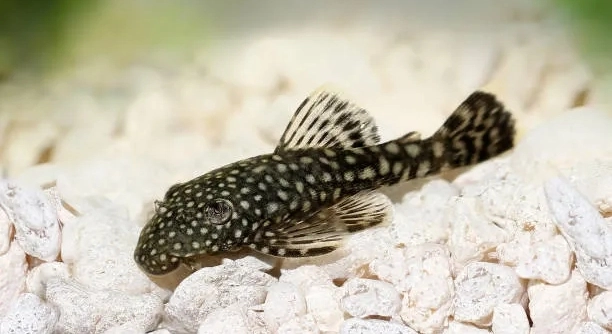
Plecos are popular freshwater fish, known for their algae-eating habits and peaceful nature. However, when placed in a new aquarium, they may face challenges that can affect their well-being. Understanding these issues can help ensure a smooth transition.
The most common reasons plecos struggle in a new tank include poor water quality, unsuitable tank mates, improper tank temperature, excessive lighting, lack of hiding spots, strong water currents, and inconsistent feeding. These factors can cause stress and health problems.
Addressing these factors is essential for your pleco’s comfort and health. Knowing how to create a welcoming environment for them will help your fish thrive in its new home.
Poor Water Quality
When setting up a new tank, water quality is crucial. Plecos are sensitive to changes in their environment, and poor water quality can lead to stress and health issues. Ammonia and nitrite spikes are common in newly established tanks, as the beneficial bacteria necessary to break down waste are not yet fully established. Regular water changes and monitoring water parameters will help keep the tank stable.
The tank should have an efficient filtration system to maintain cleanliness. Plecos produce waste, and a strong filter helps remove debris and maintain the proper balance. Water temperature should also be consistent to prevent fluctuations.
To avoid water quality problems, test the water regularly, especially in the first few weeks after setting up the tank. Introduce your pleco only after the tank is fully cycled, ensuring a safe, stable environment. This minimizes stress and helps your pleco adjust without unnecessary complications.
Tank Mates
Choosing the right tank mates is essential for plecos. They are generally peaceful but can be intimidated by overly aggressive fish. Fish that are too active or territorial may cause stress, leading to a decline in the pleco’s health. Avoid overcrowding the tank as well.
Plecos do best with other peaceful species, and some fish, like tetras or other bottom dwellers, can be good companions. Providing enough space for each fish to establish its territory reduces aggression. Avoid adding fish with long, flowing fins, as plecos sometimes nip at them out of curiosity.
When selecting tank mates, consider each species’ temperament and ensure the tank environment suits all residents. This balance will promote harmony in the aquarium, helping plecos settle comfortably and thrive in their new home.
Improper Tank Temperature
Plecos are sensitive to temperature changes, and improper tank temperatures can stress them. The ideal range is between 72°F and 82°F (22°C to 28°C). Temperatures outside this range can cause health problems and discomfort. Invest in a reliable heater to maintain a consistent temperature.
Sudden changes in temperature, such as moving the tank or fluctuating room temperature, can disrupt the pleco’s environment. This stress can lead to reduced activity, loss of appetite, and weakened immune systems. Using a thermometer will help monitor the tank’s conditions and prevent temperature-related issues.
Ensure the heater is suitable for the size of your tank. Overheating can be as harmful as underheating. If you’re unsure about the proper settings, consult a professional or trusted guide. Consistency in temperature is key to keeping plecos healthy and active.
Strong Water Currents
Plecos are bottom dwellers and prefer calm waters. Strong water currents can cause stress and exhaustion. In new aquariums, the filter or water pump may create stronger currents than necessary, making it difficult for the pleco to move comfortably.
To resolve this, adjust the filter settings to reduce the current. Consider using a sponge filter or placing the filter at the opposite side of the tank. This creates a calmer environment for the pleco to explore without feeling overwhelmed by rushing water.
It’s important to observe how your pleco responds to the current. If it seems to struggle against the flow, take action to slow it down. By creating a peaceful swimming environment, you ensure your pleco feels secure and comfortable in its new home.
Inadequate Hiding Spots
Plecos enjoy having places to hide and feel secure. Without hiding spots, they may become stressed or feel exposed, which can affect their health. Adding caves or driftwood gives them the opportunity to retreat when they need solitude.
Creating multiple hiding places also encourages natural behavior. Plecos are nocturnal and prefer privacy during the day. A well-planted tank or decorations like rocks can provide the perfect environment. Make sure there’s enough space for them to swim around comfortably while still having a secure place to rest.
Excessive Lighting
Bright, constant lighting can stress plecos, especially if the tank is too illuminated throughout the day. It disrupts their natural rhythm and can cause anxiety, leading to health problems. To avoid this, keep the light cycle consistent and not too intense.
Using subdued lighting or a timer to control the day-night cycle will help. Plecos are more active during the night, and too much light can make them feel exposed. Additionally, using plants or decorations to block some light will provide the right balance of brightness.
Improper Feeding
Feeding plecos too often or the wrong type of food can lead to digestive problems. They are primarily algae eaters but should also be offered vegetables and occasional protein-rich food. Overfeeding leads to excess waste, which can affect water quality.
Providing a varied diet that includes blanched zucchini, cucumber, or algae wafers will keep them healthy. It’s important to feed in moderation and remove any uneaten food after a few hours. Feeding your pleco once or twice a day, in small amounts, helps maintain water quality and their overall well-being.
FAQ
What is the best tank size for a pleco?
A minimum tank size of 30 gallons is recommended for a pleco. While smaller tanks can work for young plecos, they quickly outgrow them. Plecos can reach sizes up to 12-15 inches, depending on the species, and need enough space to swim comfortably. A larger tank also helps maintain water quality, which is essential for their health. Having extra space allows them to find hiding spots, reduce stress, and grow to their full size. It’s crucial to provide an appropriately sized tank to ensure a healthy and happy pleco.
How often should I feed my pleco?
Feeding your pleco once or twice a day is generally ideal. Plecos are algae eaters, but they also benefit from a varied diet. Offering vegetables like zucchini, cucumber, and leafy greens will provide essential nutrients. Algae wafers or sinking pellets can supplement their diet with protein. Overfeeding can cause waste to build up, negatively affecting water quality. Remove any uneaten food after a few hours to avoid contamination. Monitor your pleco’s weight and adjust feeding times or portions accordingly to keep them healthy without overfeeding.
Can plecos live with other fish?
Plecos are generally peaceful and can live with most other fish, especially those that are similarly calm. However, they should not be housed with overly aggressive or territorial fish. Larger tank mates can sometimes bully or outcompete plecos for food and space. It’s also important to avoid adding species with long, flowing fins, as plecos might nip at them. Bottom-dwelling fish such as tetras or small cichlids are good companions, as they won’t interfere with the pleco’s natural habitat. Always consider the size and temperament of other fish when selecting tank mates.
How can I tell if my pleco is stressed?
Stressed plecos may display various signs. They could become inactive, stop eating, or hide more than usual. Physical signs include faded coloration, irregular swimming patterns, or rubbing against tank surfaces. If the pleco’s fins appear clamped or its body shows signs of lesions, it may be under stress or suffering from a health issue. Stress can result from poor water quality, temperature fluctuations, overcrowding, or unsuitable tank mates. Addressing the root cause of the stress, such as improving water conditions or adjusting tank conditions, can help restore the pleco’s health.
What should I do if my pleco is not eating?
If your pleco stops eating, first check the water quality. Poor water conditions, such as high ammonia or nitrite levels, can lead to a loss of appetite. Make sure the temperature is within the ideal range and the tank has hiding spots. It may take time for plecos to adjust to a new environment, so be patient. Additionally, try offering a variety of foods, such as algae wafers, vegetables, or sinking pellets. If the issue persists, it may be wise to consult an aquarium professional or veterinarian for further guidance.
How can I prevent plecos from becoming too aggressive?
Plecos are not naturally aggressive, but they can display territorial behaviors if they feel threatened or overcrowded. To reduce aggression, ensure the tank is not overcrowded, provide plenty of hiding spots, and keep other fish that are similarly peaceful. Avoid placing plecos with aggressive species that may challenge their space or food. Also, monitor the tank’s water quality regularly, as poor conditions can exacerbate stress and lead to defensive behavior. By creating a stable, low-stress environment, your pleco will be less likely to show aggression.
Can plecos live in cold water tanks?
While some species of plecos can tolerate cooler temperatures, most prefer warmer water. The ideal temperature range for most plecos is between 72°F and 82°F (22°C to 28°C). Cold water can cause health problems, including weakened immune systems, reduced activity, and loss of appetite. If you plan on keeping a pleco in a cold water tank, it’s essential to choose species that are more cold-tolerant, such as the rubber lip pleco. A reliable heater should be used in most cases to maintain a stable, warm environment suitable for plecos.
How do I maintain water quality for my pleco?
Maintaining good water quality is essential for the health of your pleco. Regular water changes (about 20-25% weekly) help keep the tank clean. Invest in a high-quality filter to remove excess waste and debris. Test the water regularly to ensure that ammonia, nitrites, and nitrates are within safe levels. A stable pH level (typically between 6.5 and 7.5) is ideal for plecos. Keep an eye on the temperature and adjust as necessary to avoid drastic fluctuations. Adding live plants can also help absorb excess nutrients and maintain water balance.
Are plecos good for beginners?
Plecos can be a good choice for beginners, but it’s important to be aware of their needs. They are low-maintenance in terms of care but require proper tank conditions, including space, water quality, and food variety. While plecos are hardy and easy to care for, they do grow large, and keeping them in a small tank can lead to health issues. Additionally, plecos are nocturnal, so they might not be as visible during the day. Understanding their requirements before setting up the tank will ensure a positive experience for both you and your pleco.
How do I properly clean my pleco’s tank?
Cleaning your pleco’s tank involves regular maintenance to ensure a healthy environment. Perform a partial water change of 20-25% each week to remove waste and debris. Scrub the tank’s glass to remove algae buildup, and clean decorations, ensuring not to disturb the pleco’s hiding spots. The filter should be cleaned every 4-6 weeks, as a clogged filter can hinder water flow. Be careful not to disturb the beneficial bacteria that help break down waste when cleaning the tank. Always use aquarium-safe cleaning supplies and avoid harsh chemicals that could harm the pleco.
Final Thoughts
Caring for a pleco requires attention to detail, patience, and proper tank maintenance. These fish can thrive in an aquarium if given the right environment, including clean water, adequate space, and suitable tank mates. While they are generally low-maintenance, plecos do need specific conditions to stay healthy. Providing a balanced diet, proper hiding spots, and stable water conditions is essential to their well-being. It is important to remember that plecos are not just algae eaters; they require a varied diet to stay nourished.
Ensuring the water quality is stable is one of the most critical factors in pleco care. Regular water changes, using a good filter, and monitoring ammonia, nitrites, and nitrates will help prevent health issues. Plecos are sensitive to water quality, so maintaining proper parameters is crucial. They also thrive in tanks with plenty of space and hiding spots. Overcrowding or poor tank conditions can lead to stress, which can affect their behavior and health. Giving them room to swim and retreat when needed will improve their quality of life.
While plecos are relatively easy to care for, it’s important to keep in mind their potential size and long-term needs. They may seem small at first, but they can grow to be quite large and require larger tanks as they mature. Understanding their full growth potential and the space they need will prevent issues down the line. With the right care, plecos can live long and healthy lives, making them a rewarding addition to any aquarium.

Hello,
If you enjoy the content that we create, please consider saying a "Thank You!" by leaving a tip.
Every little bit helps us continue crafting quality advice that supports the health, happiness, and well-being of pets around the world, for pets of all shapes, sizes, and species.
We really appreciate the kindness and support that you show us!