
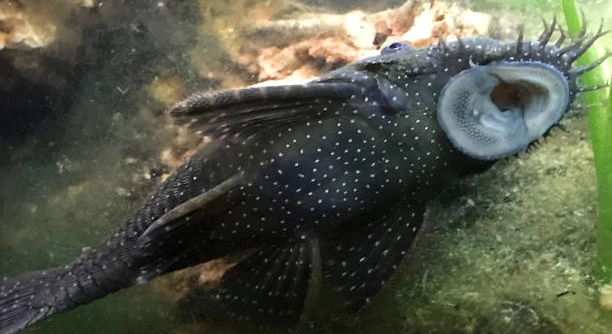
Plecos are fascinating fish that can bring a lot of personality to your aquarium. Their health and behavior can tell you a lot about how well they’re thriving in their environment. Knowing what to look for can help ensure they’re happy.
When plecos are thriving, they display active behaviors such as consistently grazing on algae, swimming through the tank, and keeping their environment clean. They also exhibit vibrant colors, healthy growth, and more frequent interactions with their surroundings.
These signs are important to recognize so you can keep your pleco’s tank in optimal condition. Their health is influenced by their diet, water quality, and tankmates. Keep reading to find out how to ensure your pleco stays happy and healthy.
1. Plecos Are Always Grazing on Algae
One of the key signs that your pleco is thriving is how much they enjoy grazing on algae. These fish are natural bottom dwellers, and they rely on algae and leftover food for their diet. When they’re happy and healthy, you’ll notice them constantly foraging on surfaces like rocks, decorations, and tank glass. A well-maintained aquarium with algae growth will encourage your pleco to stay active and engaged, cleaning up the tank in the process. It’s a natural behavior that indicates they’re comfortable in their environment and getting the right nutrition.
Healthy plecos will also scrape off algae from the walls of your tank. They might even remove stubborn algae from plants, rocks, or other surfaces. This behavior is not only helpful for their health, but it’s also a sign of a happy, active fish.
Plecos are excellent algae eaters. If your tank has a steady supply of algae, your pleco will likely thrive. But, even if algae is not abundant, a balanced diet is still crucial. Make sure your pleco gets plenty of sinking pellets, vegetables, and other food options to complement its algae diet. If the tank doesn’t have enough algae, you can always step in to supplement their diet with food specifically designed for plecos.
2. Plecos Are Frequently Swimming Around
When plecos are thriving, you’ll see them swimming around their tank. While these fish are usually known for being slow-moving and hiding during the day, active swimming is a sign of good health. It’s normal for them to be more active during certain times of the day, particularly in the evening when they feel more comfortable. They may dart around the tank or slowly explore their environment, sometimes climbing over decorations and plants.
Frequent swimming shows that your pleco is adjusting well to its habitat. A pleco that’s actively swimming around is likely comfortable with the water quality, temperature, and other conditions. If your pleco is not moving much or is staying in one spot, it could be a sign that something needs attention.
Make sure your pleco has plenty of space to swim. They can grow quite large, so a tank with enough room is essential for their well-being. The water quality should also be ideal, as plecos are sensitive to ammonia, nitrites, and temperature fluctuations. Test the water regularly and ensure the environment is clean to keep your pleco in top condition.
3. Plecos Have Bright Colors
Plecos tend to show vibrant, bright colors when they’re healthy and thriving. Their natural color will vary depending on the species, but when well cared for, their patterns become more pronounced and their hues become richer. Healthy plecos tend to be brighter in appearance. A dull or faded color can indicate stress or health issues. Changes in color can also be related to environmental factors such as water temperature, lighting, and the quality of the tank setup. The brighter your pleco’s coloration, the better their overall health is likely to be.
To ensure that your pleco maintains its color, it’s important to focus on their tank environment. Make sure the water is clear and well-filtered, and that they have plenty of places to hide and feel secure. You’ll also want to provide them with a balanced diet that includes food rich in nutrients. Bright colors are not just beautiful; they are a reflection of a thriving pleco in optimal health.
A pleco’s color can also tell you how well it’s adapting to its tank mates and environment. If your pleco’s color starts fading, consider assessing factors like water quality, the presence of stressors, and changes in temperature. If it doesn’t improve, consult a veterinarian to rule out any health concerns.
4. Plecos Keep Their Tank Clean
When plecos are thriving, they are excellent at keeping the tank clean. These fish are natural algae eaters, but they will also consume uneaten food and detritus. Their cleaning behavior is beneficial for the aquarium, helping to maintain a healthy environment for all the tank’s inhabitants. A thriving pleco will actively seek out any debris in the tank and make sure it doesn’t linger.
Keeping a clean tank is essential for pleco health. Regular cleaning prevents harmful buildup and promotes a balanced ecosystem. However, don’t rely solely on your pleco to maintain cleanliness. It’s still important to perform routine water changes and substrate cleaning to keep everything in check. This dual approach ensures both your pleco and the rest of the tank’s residents stay healthy.
Plecos also help control the spread of algae, keeping your tank’s surfaces looking neat. It’s important, though, not to overestimate their cleaning capabilities. Make sure your pleco isn’t solely responsible for cleaning the entire tank. A healthy tank needs a regular cleaning schedule that includes checking filters, removing excess waste, and monitoring water quality.
5. Plecos Are Social and Curious
Plecos are naturally curious creatures. A thriving pleco will often be seen exploring its surroundings, investigating new objects or tankmates. This behavior shows they are comfortable and engaged with their environment. They may also interact with other fish, especially if they have similar tankmates. It’s important to provide them with a variety of hiding spots to ensure they feel secure while they explore.
Curiosity often leads them to investigate other fish or objects in the tank. This is completely normal and a good sign that they are feeling safe and confident. Plecos are not known to be aggressive but can sometimes show territorial behavior toward smaller tankmates. In a thriving tank, plecos are usually at ease with their environment and are less likely to display any stress or aggression. They adapt well to environments with plenty of hiding places and natural structures like rocks or plants.
If you see your pleco interacting with other fish or even nudging objects around, it’s a sign of curiosity and well-being. Maintaining a balanced and secure tank environment will allow your pleco to feel safe enough to express these behaviors. Curiosity in plecos is a sign that they are not stressed and are comfortable with their living space, leading to a healthier and happier fish.
6. Plecos Have a Healthy Appetite
When plecos are thriving, they eat well. A healthy pleco will consume a variety of food, including algae, sinking pellets, vegetables, and sometimes live or frozen food. A balanced diet helps them maintain their energy levels and promotes proper growth. If your pleco is eating regularly and eagerly, it’s a good sign they’re healthy.
Plecos can be a bit picky about their food, but when they’re thriving, they’ll actively seek out meals throughout the day. Offering a variety of foods ensures they’re getting the necessary nutrients. Remember, too much of one type of food, especially protein, can cause health issues, so balance is key.
Ensuring your pleco’s diet is diverse is essential for their well-being. Offer a range of foods like zucchini, cucumber, and spinach, as well as algae wafers or sinking pellets. This variety helps keep them well-fed and satisfied, and it encourages the natural behaviors of foraging and grazing that plecos enjoy.
7. Plecos Enjoy a Clean, Stable Environment
A thriving pleco thrives in a clean, stable environment. Stable water conditions, proper filtration, and consistent temperatures are crucial for their well-being. If your pleco is healthy, they will be less stressed by fluctuating water parameters. Regular maintenance ensures that your pleco stays comfortable.
Maintaining water quality is essential. Plecos are sensitive to ammonia and nitrite spikes, so water changes should be done regularly. Monitoring water temperature is equally important. Plecos prefer water between 72°F and 82°F. A well-maintained tank with stable water will keep your pleco feeling secure and happy, contributing to a thriving environment.
8. Plecos Are More Active at Night
Plecos are nocturnal creatures, and when they’re thriving, they tend to become more active during the night. This behavior is typical and is a sign that they are healthy and comfortable in their environment. You may notice them swimming around more after the lights go off, especially if the tank has areas where they feel safe to explore.
These active nighttime behaviors are perfectly normal. They usually rest during the day, hiding in caves or under plants, and start to forage and swim around in the evening when it’s darker. Make sure your pleco has the space to roam, especially if you want them to stay active at night.
FAQ
1. How do I know if my pleco is stressed?
If your pleco is stressed, you may notice them hiding more than usual or not swimming around as much. They may also exhibit unusual behaviors, like flicking their fins or staying near the surface of the water. Stressed plecos might also show signs of color fading, lethargy, or loss of appetite. Stress in plecos can be caused by poor water quality, sudden temperature changes, aggressive tankmates, or overcrowding. Make sure the tank is clean, the water parameters are stable, and the pleco has plenty of hiding spots to feel secure.
2. Why isn’t my pleco eating?
If your pleco isn’t eating, it could be due to several reasons. Common causes include poor water quality, stress, or illness. Sometimes, they may just be picky and prefer certain foods, such as algae over pellets. Ensure they are getting a varied diet, including vegetables like zucchini or cucumber, along with sinking algae wafers. If your pleco continues to refuse food, check the water parameters and the temperature to ensure they are within the ideal range. If the problem persists, it may be worth consulting a vet to rule out health issues.
3. How often should I feed my pleco?
Plecos typically need to be fed once or twice a day. Young plecos tend to have faster metabolisms and may need more frequent feedings. Older, fully-grown plecos usually eat less often, but it’s still important to give them enough to eat each day. Overfeeding can lead to water pollution and health issues, so be sure not to leave uneaten food in the tank. A good rule of thumb is to provide only as much food as your pleco can eat in about two hours, ensuring they have a balanced diet of vegetables, algae, and sinking pellets.
4. Can plecos live with other fish?
Yes, plecos can live with other fish, but it’s important to choose tankmates carefully. Plecos are generally peaceful but can sometimes be territorial, especially if they feel crowded. It’s best to avoid keeping plecos with overly aggressive or small fish that might be harmed by their size. Plecos do well with peaceful species such as tetras, guppies, or angelfish. Ensure your pleco has enough space to roam and hide to avoid stress. A tank with plenty of hiding spots and sufficient space for all residents is key to keeping everyone happy.
5. How big do plecos get?
Plecos can grow quite large, with some species reaching up to 24 inches or more, depending on the type. Common species like the Bristlenose pleco usually stay around 5 to 7 inches, while others, like the Sailfin pleco, can grow much larger. It’s essential to provide enough space for your pleco to grow. A small tank can lead to stunted growth and stress. Generally, a 30-gallon tank is the minimum size for a single pleco, but larger tanks are better as they grow.
6. How do I maintain water quality for my pleco?
Maintaining water quality for your pleco involves regular tank maintenance. Regular water changes are necessary to keep ammonia and nitrite levels low. Test the water frequently for pH, ammonia, nitrite, and nitrate levels. Plecos prefer slightly acidic to neutral water (pH 6.5-7.5) with a temperature between 72°F and 82°F. You should also use a good filtration system, as plecos are sensitive to poor water conditions. Make sure to clean the filter regularly, and remove any debris from the substrate or decorations. A stable, clean environment is essential for a healthy pleco.
7. Can plecos survive without algae?
While plecos are known for eating algae, they can survive without it if you provide them with a balanced diet. Algae is a natural part of their diet, but they also need vegetables and sinking pellets for proper nutrition. If your tank doesn’t have enough algae, supplement your pleco’s diet with foods like cucumber, zucchini, or spinach. You can also give them algae wafers, which are designed to meet their dietary needs. Plecos are opportunistic feeders and will adapt to available food sources, so make sure they’re getting the necessary nutrients.
8. What kind of hiding spots do plecos need?
Plecos are shy, nocturnal fish that need plenty of hiding spots to feel secure. Providing caves, hollow logs, or dense plant areas will give them a place to retreat when they feel threatened. They are territorial by nature, and having secure hiding spots helps reduce stress. Plecos may also spend most of the daytime resting in these spaces and come out more during the night. Make sure the hiding spots are large enough for the pleco to fit comfortably, especially as it grows larger.
9. Why is my pleco turning pale?
A pale pleco can be a sign of stress or poor water conditions. Changes in color can occur if the pleco is exposed to fluctuating water temperatures, high nitrate levels, or other environmental stressors. It can also be a sign of an illness. If your pleco’s color doesn’t improve after adjusting the tank environment, it might be worth consulting a vet. Stress, such as bullying from other fish, overcrowding, or poor diet, can also cause fading colors. Make sure the tank has the right water parameters and provide the pleco with a varied diet.
10. Can plecos live in cold water?
Most pleco species are tropical fish and require warmer water to thrive. They prefer water temperatures between 72°F and 82°F. Cold water can stress them out and even lead to health issues. Some plecos, like the Bristlenose, can tolerate slightly cooler temperatures but still need a stable and warm environment to stay healthy. If your tank’s water gets too cold, consider adding a heater to keep the water temperature within the ideal range for your pleco’s well-being.
Final Thoughts
Caring for a pleco can be rewarding, as these fish have unique behaviors that are interesting to observe. When they are thriving, they show signs of being active, healthy, and comfortable in their environment. These signs, such as consistent grazing on algae, vibrant colors, and active swimming, are indicators that your pleco is well taken care of. It’s important to remember that each pleco has different needs, depending on their species and size, so understanding what works best for your particular pleco is key.
Maintaining a clean and stable environment is one of the most important factors in ensuring your pleco thrives. Regular water changes, proper filtration, and monitoring water parameters like temperature, pH, and ammonia levels are all crucial to their health. If these factors are overlooked, even the healthiest pleco can show signs of stress or illness. Providing a well-balanced diet with enough algae, vegetables, and sinking pellets will also help your pleco grow and remain active. Their diet, in combination with a clean environment, helps keep them vibrant and full of energy.
Lastly, while plecos are relatively low-maintenance fish, they do require attention and care. They thrive in tanks that have plenty of hiding spots, and they need space to grow. It’s also important to choose the right tankmates and ensure your pleco isn’t overcrowded. A thriving pleco is a sign that you’re meeting its needs and creating a healthy environment. By observing their behaviors and providing them with the right care, you can enjoy the company of a happy, healthy pleco for years to come.

Hello,
If you enjoy the content that we create, please consider saying a "Thank You!" by leaving a tip.
Every little bit helps us continue crafting quality advice that supports the health, happiness, and well-being of pets around the world, for pets of all shapes, sizes, and species.
We really appreciate the kindness and support that you show us!