
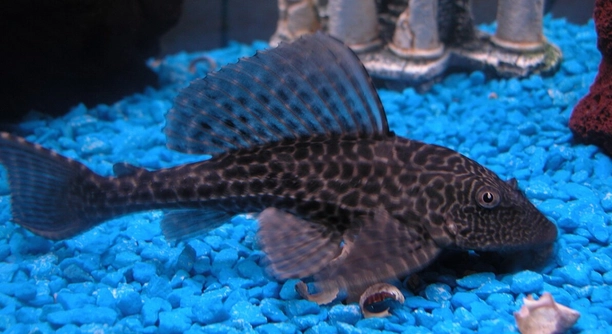
Plecos are fascinating fish, often keeping to themselves, but when they get curious, they show some interesting behaviors. These actions reveal their inquisitive nature and help them navigate their environment, making them even more intriguing as pets.
Plecos demonstrate curiosity through behaviors like exploring their surroundings, investigating new objects, and even interacting with their tank mates. They use their senses to better understand their environment and stay engaged in their habitat.
Understanding these behaviors can help you improve your pleco’s living conditions and ensure they stay active and happy.
Exploring Their Tank
Plecos are known for being quiet and calm creatures, but they are also quite curious. When they feel the urge to explore, they use their strong sense of smell and touch to investigate new areas in their tank. This exploration helps them find food, identify safe spots, and even understand their tank mates better. If you notice your pleco constantly moving around the aquarium, it’s likely they’re trying to gather as much information as possible about their surroundings. Whether it’s swimming near the glass or moving over rocks and plants, plecos are always keen to learn more about their environment.
While they may not rush, their slow and steady movements suggest they’re looking for something. This could be food or simply a new place to hide. As they explore, they use their barbels to sense textures and surfaces, helping them feel secure in their space. It’s a methodical process that shows their need for mental stimulation.
This behavior is quite normal, as plecos are bottom dwellers that prefer to stay near the substrate. They’re not just seeking food or shelter, but trying to understand where they are. By investigating every corner, they feel more at ease in their aquatic home. If they stop exploring, it might be a sign that they need a change in their environment, such as new decorations or tank mates.
Interacting with Other Tank Mates
Plecos are social, but not overly aggressive fish. When curious, they may interact with their tank mates to see what they are up to. They often hover around other species, gently observing their movements. This is especially true if the pleco shares the tank with other fish that are active.
Curiosity leads plecos to observe and sometimes follow other fish around the tank. They don’t usually engage in aggressive behavior, but their interest can seem a bit persistent. In a peaceful tank, this behavior often signifies the pleco’s desire to understand its companions better. Plecos may also investigate their tank mates when it’s feeding time, hoping to find leftover food or to learn where to search.
Investigating New Objects
When you add something new to your pleco’s tank, you may notice them taking a keen interest in it. They will swim around it, touch it, or even try to nibble at it. This is their way of learning more about unfamiliar objects in their environment.
Plecos have a natural instinct to explore anything new. Whether it’s a rock, plant, or piece of driftwood, they will investigate thoroughly. They may rub their barbels against it or move their bodies over the surface to understand its texture. This curiosity helps them determine whether it’s something they can interact with, hide in, or even use for food. The process is slow, as plecos are methodical in their approach to learning about new items in their tank.
If a pleco seems especially curious about a new addition, it could be because it provides something different or interesting compared to their usual environment. It could also signal that the new object is adding variety to their space, providing extra stimulation and comfort. Regular changes in their environment can keep them mentally engaged and more active.
Seeking Out Food
Plecos are bottom feeders, which means they often scavenge for food that falls to the substrate. When they’re curious, they may search for new food sources or different places to forage. This can make them more active, as they explore the tank more thoroughly.
Plecos are constantly on the lookout for food, especially when something new enters the tank. Their curiosity drives them to investigate any changes in their environment that might indicate a food source. If you introduce new food to the tank, your pleco may quickly start searching for it. They have a keen sense of smell and can pick up on even the smallest bits of food. Once they discover a new source, they may spend extra time exploring and munching on whatever they find.
Feeding time is not just about nutrition for plecos; it’s an opportunity to engage with their environment. Plecos enjoy exploring every corner of their tank in search of food, so providing variety in their diet can encourage them to stay active and curious.
Exploring Tank Decorations
Plecos often explore tank decorations out of curiosity. They might swim around, crawl over, or hide in them to check out their new surroundings. This exploration helps them feel more comfortable and secure in their environment.
By interacting with decorations, plecos can also discover new hiding spots or areas where they can rest. They might use caves or crevices as places to retreat when they feel threatened or just need some peace. Decorations also help keep them entertained, providing variety and stimulation.
Investigating the Water Flow
Plecos are often intrigued by water movement. They may swim against the current, exploring areas where the flow is stronger or gentler. It’s a natural behavior, showing their curiosity about how the water in their tank moves.
Water flow affects the pleco’s movement and behavior. They may swim into strong currents or seek out quieter spots, depending on what they’re feeling. This behavior shows they are constantly adjusting to their environment and exploring different water conditions to find what feels comfortable.
Observing Their Reflections
Plecos are curious about their own reflection in the glass of the tank. They may swim back and forth, trying to understand the image staring back at them. This behavior is often a sign of curiosity about their own appearance or the environment around them.
FAQ
Why do plecos constantly move around their tank?
Plecos move around their tank because they are naturally curious creatures. Their exploration helps them gather information about their environment. This behavior also ensures they find food, identify hiding spots, and check for any changes in the tank. They are bottom dwellers and enjoy investigating every nook and cranny in their habitat.
Do plecos interact with other fish in the tank?
Yes, plecos are curious about their tank mates. They might hover near other fish, especially those that are more active, to observe their movements. However, plecos are generally not aggressive and prefer to keep to themselves. Their interactions are usually limited to harmless observation and occasional investigation, especially during feeding time.
How do plecos explore their surroundings?
Plecos explore by using their barbels to feel around objects in their tank. These barbels help them detect textures and surfaces, which allows them to understand their environment better. They often swim slowly, grazing along tank decorations, rocks, and plants, seeking food, shelter, or simply learning about their surroundings.
What should I do if my pleco stops exploring?
If your pleco stops exploring, it may be a sign that it is feeling stressed or uncomfortable. You should check the tank’s water quality, temperature, and environment. Adding new decorations or rearranging the tank might help. Also, ensure that your pleco has a proper diet and a quiet, secure space.
Why do plecos nibble on plants and decorations?
Plecos often nibble on plants and decorations to help clean their tank. They are known for their algae-eating habits, which can lead them to graze on surfaces like plants, rocks, and decorations. This behavior helps them get the nutrients they need while also keeping their environment tidy.
How do I know if my pleco is stressed?
Stressed plecos often show signs like staying in one place for extended periods, avoiding interaction with tank mates, or showing a lack of appetite. If your pleco seems disoriented or is spending too much time hiding, it’s important to check water quality and make sure the tank environment is suitable.
Why do plecos sometimes get close to the glass?
Plecos are drawn to the glass because of their curiosity and desire to explore. They might be investigating their reflection, searching for food, or simply fascinated by the changes in their environment. Plecos often swim along the glass to get a better view of their surroundings or interact with reflections.
Is it normal for a pleco to dig in the substrate?
Yes, it’s normal for plecos to dig in the substrate. They do this to search for food or to create a comfortable hiding place. This behavior is part of their natural instinct to explore their environment and find safe spaces. If you notice your pleco digging, it’s just another sign of their curiosity.
How do plecos learn about their tank environment?
Plecos use their barbels to explore the tank. They rely on these sensory organs to detect textures and navigate their space. As they interact with the various surfaces in their tank, they learn where to find food, where it’s safe to rest, and what their environment offers in terms of shelter.
What kind of environment do plecos prefer for exploration?
Plecos thrive in environments with plenty of hiding spots, live plants, and diverse surfaces to explore. They prefer a tank with smooth rocks, driftwood, and caves, which allow them to feel secure while also giving them areas to investigate. A tank with a variety of textures encourages them to stay curious and active.
How can I keep my pleco mentally stimulated?
To keep your pleco mentally stimulated, introduce new tank decorations or rearrange existing ones. Adding live plants, rocks, or driftwood gives them more areas to explore. Providing a varied diet with different foods can also encourage exploration. It’s important to regularly change the tank environment to maintain their curiosity.
Are plecos sensitive to changes in their environment?
Yes, plecos can be sensitive to changes in their environment. They might become stressed if there are sudden changes in water quality, temperature, or tank mates. It’s important to introduce changes gradually to allow them to adjust. Too many changes at once can cause them to retreat or stop exploring.
Why do plecos follow the water current in the tank?
Plecos are naturally curious about the water flow in their tank. They may follow the current to explore different areas and feel the changes in water pressure. This behavior also helps them understand their environment better, as they adapt to different flow patterns and may even use the current to rest or move more efficiently.
Do plecos recognize their owners?
Plecos can recognize their owners to some extent. They may respond to your presence by swimming to the front of the tank, especially during feeding time. Though plecos don’t form deep bonds like some other fish species, they do associate their owner’s presence with food and safety, which can result in them seeking interaction.
How often should I change my pleco’s tank decorations?
Changing your pleco’s tank decorations every few months can help keep them mentally stimulated. However, it’s important not to make frequent drastic changes, as plecos rely on the consistency of their environment to feel secure. A few updates every so often can keep them curious and active without overwhelming them.
Why is my pleco staring at the tank glass?
A pleco staring at the glass is typically a sign of curiosity. They may be intrigued by their reflection or the activity outside the tank. This behavior is also common during feeding times when they are eagerly waiting for food. The glass offers them a good vantage point to observe their surroundings.
Is it okay to keep multiple plecos in one tank?
Yes, it’s generally okay to keep multiple plecos in a large enough tank, but they may become territorial. Plecos are solitary creatures and prefer having their own space. When keeping multiple plecos, make sure the tank is large enough, with plenty of hiding spots, to reduce the chances of aggression.
Final Thoughts
Plecos are fascinating creatures that show a lot of curiosity when they explore their environment. Their behaviors, like investigating new objects, searching for food, and interacting with their tank mates, provide important clues about their needs and preferences. By paying attention to their actions, you can make sure they have a stimulating and safe environment where they feel comfortable. Understanding the things plecos do when they are curious helps you better care for them and keep them active and healthy.
If you notice your pleco is spending more time exploring the tank, it’s a good sign that they’re interested in their environment. These curious behaviors show that they are adjusting to changes and finding ways to feel secure. It’s important to provide your pleco with different textures, decorations, and places to hide to keep them engaged. A well-decorated tank can offer plenty of opportunities for exploration and also help keep them mentally and physically healthy. Keep in mind that small changes, like adding new objects or rearranging the tank, can have a big impact on how active your pleco is.
Taking care of a pleco means being aware of their natural instincts. Plecos thrive when they have opportunities to explore and interact with their surroundings. The more you understand about their curiosity-driven behaviors, the better you can create a space that supports their natural tendencies. Whether they are searching for food, checking out new objects, or observing their tank mates, these behaviors all point to their need for a dynamic and enriched environment. By keeping their tank interesting and comfortable, you can help your pleco stay happy and curious for years to come.

Hello,
If you enjoy the content that we create, please consider saying a "Thank You!" by leaving a tip.
Every little bit helps us continue crafting quality advice that supports the health, happiness, and well-being of pets around the world, for pets of all shapes, sizes, and species.
We really appreciate the kindness and support that you show us!