
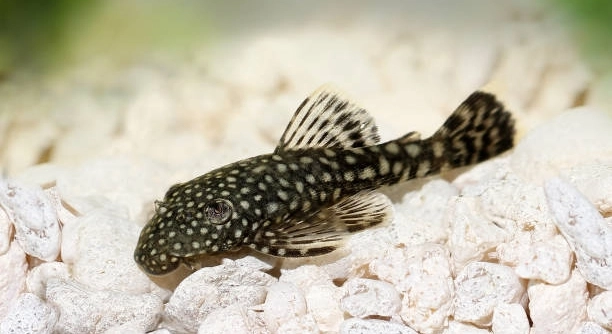
Are your plecos spending more time hiding than usual, or do they seem less active around the tank than they once were? Observing their behavior can help you understand how content they truly feel in your care.
Content plecos often display relaxed body posture, active foraging, steady growth, and calm interactions with tank mates. These signs indicate stable water conditions, proper diet, and a low-stress environment that supports their overall health and well-being in captivity.
Noticing these subtle changes in behavior can give you more confidence in your setup and help maintain a happy and balanced aquarium.
They Stay Out in the Open More Often
Plecos that feel safe and content will start spending more time outside of their hiding spots. While they naturally enjoy resting in shaded or hidden areas, a happy pleco will gradually become more visible during feeding times or low-light periods. This change shows a sense of security and comfort in the tank. When plecos feel threatened or stressed, they tend to remain hidden, even during active hours. If you start seeing yours resting along the glass, exploring the substrate, or suctioned calmly on driftwood, it’s a positive sign. This behavior also allows for better observation of their physical condition. Just remember, some species are more nocturnal, so their activity may increase later in the day. A relaxed pleco’s movement is smooth and unhurried, without signs of frantic darting. The key is consistency—regularly spotting your pleco outside its hiding space suggests it’s adjusting well to its environment.
They won’t hover nervously or hide excessively when the tank setup meets their basic needs.
Be sure to avoid sudden changes in lighting or temperature. These can cause even the most relaxed pleco to return to hiding. Smooth transitions and stable conditions support their natural curiosity and calm presence.
Their Color Becomes More Vibrant
A content pleco often displays deeper, richer coloration, especially when the lighting and water conditions are appropriate. Pale or faded colors can sometimes indicate stress or poor water quality.
Consistent water changes, a balanced diet, and low-stress surroundings all help maintain that vibrant appearance. Good tank maintenance also supports healthy skin and fin condition. Feeding a mix of algae wafers, fresh vegetables, and occasional protein helps too. A pleco’s skin reacts to internal and external stress quickly. If the tank has high nitrate levels, poor oxygenation, or aggressive tank mates, this can lead to dull coloring and reduced activity. On the other hand, when the tank setup supports their needs, and their routine feels predictable, their appearance improves. Also, avoid bright, overly intense lighting, as this may wash out their color and cause unnecessary stress. Keeping the tank calm, shaded in areas, and free from disturbances allows them to display their natural patterns and tones confidently.
They Graze Calmly and Regularly
Plecos that feel content will graze calmly along surfaces like driftwood, tank walls, and decorations. Their movement is steady, not frantic, and they return to favored spots throughout the day. This slow, rhythmic feeding shows they feel comfortable and undisturbed in their environment.
Healthy grazing behavior helps keep their digestive system active and reduces boredom. Plecos often feed on biofilm, algae, or leftover food, and a consistent grazing pattern is a sign they’re both hungry and stress-free. A content pleco doesn’t rush or scavenge desperately—they know there’s always food available. If they stop grazing or only come out at night, it could indicate discomfort, water quality issues, or diet imbalances. Keep surfaces clean but not sterile, so natural growth remains accessible. Plecos enjoy routine, so feeding them at the same time daily can reinforce calm behavior. Slow, repeated movements show they feel settled in their surroundings.
Plecos may even ignore disturbances while grazing if they feel secure enough. This relaxed attitude while feeding reflects overall well-being. If tank mates are peaceful and food is accessible, grazing becomes a normal part of their day. Watch for signs of enthusiasm—plecos that start grazing right after you drop in food are showing confidence and contentment.
They Interact Peacefully with Tank Mates
Peaceful interactions are another indicator of a content pleco. When they share space with other fish calmly and avoid chasing or hiding, it shows they’re not stressed or feeling territorial. Their movements will be slow and deliberate, not defensive or erratic.
Aggressive behavior often signals discomfort or poor tank conditions. A content pleco doesn’t feel the need to fight for territory or food. Instead, they’ll feed alongside other fish and calmly navigate the tank without showing signs of dominance. Providing enough space, hiding spots, and food reduces conflict and encourages natural social behavior. Tank mates that match their temperament help too. Fast, aggressive fish can intimidate plecos, causing them to hide or become defensive. Calm tank dynamics support mutual comfort. Also, plecos often settle into a routine, sharing driftwood or hiding areas without issues. These peaceful patterns indicate stability, good health, and a well-balanced environment they feel safe in.
They Rest in Relaxed Positions
When plecos are content, they rest with their bodies fully supported on flat surfaces, often appearing still and unbothered. Their fins lie naturally against their bodies, and their posture shows no signs of tension or alertness.
A relaxed pleco may even sleep during the day without retreating into deep hiding spots. Their calm positioning shows they feel safe enough to rest without fear of disruption from tank mates or their surroundings.
They Respond to Feeding Time
Content plecos often become more active when feeding time approaches, moving from their resting spots and heading toward familiar areas where food usually appears. They recognize feeding routines and respond smoothly, without panic or aggression. This shows they feel secure and expect their needs to be met consistently.
They Show Steady Growth
A pleco that is growing at a slow, steady pace is likely receiving proper care. Sudden growth spurts or long plateaus may suggest issues with diet or water quality.
FAQ
How do I know if my pleco is healthy?
A healthy pleco will show steady activity during its natural hours, maintain a consistent appetite, and display clear eyes and smooth skin. Their color should remain rich and not appear faded or blotchy. Watch their fins—damaged, clamped, or torn fins can be a sign of poor water quality or bullying from other tank mates. Healthy plecos also pass waste regularly and have a firm but not bloated body shape. If your pleco seems inactive for extended periods or hides excessively even during feeding times, it may be stressed or unwell. Always monitor for changes in behavior, appetite, and appearance.
Do plecos need to eat every day?
Yes, most plecos should be offered food daily. While they do graze on biofilm and algae in the tank, this is not enough to meet their full nutritional needs. Offering a variety of foods, such as algae wafers, blanched vegetables, and occasional protein, helps keep them active and healthy. It’s best to feed them in the evening when they are more naturally active. However, be careful not to overfeed, as leftover food can spoil water quality. If you’re unsure whether your pleco is getting enough, watch its activity and body condition closely.
Can plecos live with other fish?
Plecos can usually live peacefully with other fish, especially if the tank is large enough and properly set up. They tend to keep to themselves and are not aggressive unless cramped or provoked. Avoid pairing them with overly aggressive species or fin-nippers, as plecos dislike being disturbed. Also, keep in mind that some pleco species grow very large, so tank size matters. Providing enough hiding places for all tank inhabitants reduces tension. Good compatibility depends on both the temperament and size of the other fish. Regular observation helps ensure that your pleco is not being harassed or outcompeted for food.
Why does my pleco hide all the time?
Plecos are naturally shy and prefer low light or hidden spaces, especially during the day. However, if they hide constantly, even during feeding times, it could be due to stress, poor water quality, or aggressive tank mates. Check tank conditions like ammonia, nitrite, nitrate levels, and temperature. Make sure your pleco has enough hiding spots but also feels safe enough to explore. Reducing loud noises, sudden lighting changes, and fast-swimming fish can help. A well-balanced environment with minimal stressors allows plecos to slowly become more visible and comfortable during their active hours.
How much space does a pleco need?
Tank size depends on the species. Smaller plecos, like the bristlenose, can live comfortably in tanks around 30 gallons. Larger species like the common pleco need 75 gallons or more due to their growth and waste output. Always research the specific type of pleco you have. Overcrowding can lead to water quality problems, territorial behavior, and slower growth. Giving your pleco room to swim and explore improves health and behavior. Length and surface area of the tank matter more than height, as plecos prefer to stay near the bottom or attach to surfaces.
What should I feed my pleco?
A balanced pleco diet includes algae wafers, blanched vegetables like zucchini or spinach, and occasional protein such as shrimp pellets or bloodworms. Wood is important for many species, especially those that need it for digestion. Rotate foods to prevent deficiencies. Remove uneaten vegetables after 24 hours to avoid spoiling the water. Feeding a mix of plant and protein sources helps support steady growth, coloration, and digestion. Avoid feeding only algae wafers, as this may not provide enough variety. Watching your pleco eat regularly is one of the clearest signs that it’s content and receiving proper care.
Final Thoughts
Keeping a pleco healthy and content comes down to providing stable water conditions, a proper diet, and a peaceful tank environment. These fish thrive when their needs are met, and they show clear signs when they feel secure. Watching them rest calmly, explore their surroundings, and respond to feeding is a sign you’re doing things right. If you notice steady growth, a good appetite, and regular movement, your pleco is likely comfortable in its environment. Avoid sudden changes to their setup, and be consistent with your care routine to support their long-term health.
Plecos can live for many years when well cared for. They are peaceful and independent, often choosing quiet spaces and showing activity mostly at night. Giving them enough space, proper hiding spots, and access to a varied diet helps prevent stress. They are not demanding fish, but they do need consistent attention to water quality and tank mates. Regular observation allows you to spot early signs of illness or stress. Being aware of their usual habits makes it easier to notice when something changes and take action quickly.
Caring for a pleco is not difficult, but it does require commitment. Their behavior is a reliable way to understand how they are doing. A relaxed, feeding, and growing pleco is a clear indicator that their basic needs are being met. Over time, you will get used to their patterns and learn what makes them most comfortable. Whether they are attached to the glass, resting under driftwood, or waiting at their favorite feeding spot, these little behaviors show how they are adjusting to their surroundings. A stable and quiet environment will bring out the best in your pleco, helping it live a calm, healthy life in your aquarium.

Hello,
If you enjoy the content that we create, please consider saying a "Thank You!" by leaving a tip.
Every little bit helps us continue crafting quality advice that supports the health, happiness, and well-being of pets around the world, for pets of all shapes, sizes, and species.
We really appreciate the kindness and support that you show us!