
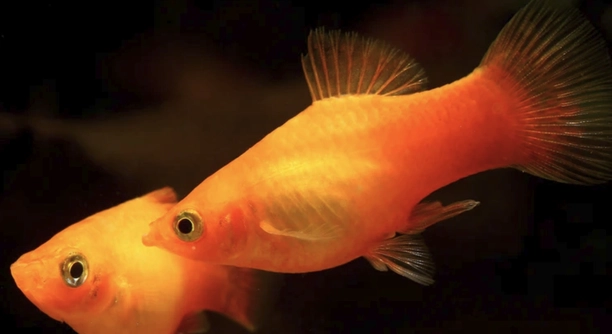
Platies are small, colorful fish that many people enjoy keeping in their aquariums. They have simple needs but show clear signs when they feel good in their environment. Observing their behavior can help owners understand their mood and health.
Happy platies often swim actively, display vibrant colors, eat well, and interact peacefully with tank mates. These behaviors indicate their comfort and satisfaction in their surroundings. Monitoring these signs helps maintain their well-being in captivity.
Knowing what happy platies do can improve your care and make your aquarium a more enjoyable place for both you and your fish.
Active Swimming and Exploration
Platies that feel happy and secure tend to swim actively around their tank. You’ll notice them exploring different corners and levels of the aquarium without hesitation. This kind of movement shows they feel safe enough to investigate their environment. Sometimes, they swim in short bursts, changing direction quickly, which can also mean they are playful. When platies are active, it often means the water conditions are good, and they are getting enough food. On the other hand, lethargy or hiding may suggest stress or illness. Watching how your platies swim daily can give you clues about their happiness and health.
Active swimming encourages their natural instincts and helps maintain their muscle tone. It’s a good sign that your platies are thriving.
Regular observation of swimming patterns can alert you to any changes that may require adjustments in care or tank maintenance.
Displaying Vibrant Colors
Healthy and happy platies show bright, vibrant colors that catch the eye. Their scales appear shiny, and the hues become richer compared to dull or faded tones when stressed or sick. Good water quality, proper diet, and low stress levels contribute to this colorful display. When platies are happy, they often flash their colors during social interactions or when courting mates. Color vibrancy not only signals well-being but also helps in natural behaviors like mating and establishing territory.
Seeing your platies glow with color is rewarding and indicates that your care is effective. Maintaining stable tank conditions supports these bright appearances and helps prevent illnesses related to stress or poor nutrition.
Peaceful Interaction with Tank Mates
Platies that are happy usually get along well with other fish. They show calm and gentle behavior, avoiding fights or aggressive displays.
Peaceful interaction helps keep the tank environment stable. Happy platies often swim near other fish without chasing or biting them. They may swim together or rest nearby, showing comfort in their group. This calm behavior reduces stress for all fish and promotes a healthy tank. When platies feel secure, they avoid hiding and show interest in their surroundings. Aggression or constant hiding might mean the fish are unhappy or feel threatened, so peaceful coexistence is a clear sign of well-being.
Tank mates that are compatible and proper tank conditions also contribute to this peaceful behavior. It creates a balanced community where all fish can thrive.
Healthy Appetite
Happy platies eat regularly and show excitement during feeding times. They approach food eagerly and finish their meals without hesitation.
Consistent eating habits indicate good health and comfort in their environment. When platies are stressed or sick, their appetite often decreases, and they may ignore food. Feeding them a varied diet with quality flakes, pellets, or frozen foods supports their happiness. Watching how your platies respond to food can reveal changes in mood or health quickly. A healthy appetite also means their digestive system is functioning well and that they are getting enough nutrients to maintain energy.
Keeping feeding times regular and avoiding overfeeding helps maintain water quality and supports your platies’ overall happiness.
Bubble Nest Building
Some platies create small bubble clusters on the water surface. This behavior is a sign of contentment and readiness to breed.
Bubble nests show that the environment is stable and safe enough for reproduction. It also reflects their natural instincts being active.
Bright Eyes and Clear Scales
Happy platies have clear, shiny eyes and smooth, intact scales. Dull eyes or damaged scales usually signal stress or illness. Maintaining clean water and a balanced diet helps keep their appearance healthy. Regularly checking their physical condition is important for early problem detection and ensuring their comfort.
Social Swimming Patterns
Platies often swim in groups when they feel secure. Swimming closely together indicates trust and comfort within the tank community. This behavior also helps reduce stress and supports their natural social instincts. Observing group swimming patterns can provide insight into their overall mood and health.
FAQ
How can I tell if my platies are happy?
Happy platies show several clear signs. They swim actively, have bright colors, and eat well. They also interact peacefully with other fish and sometimes build bubble nests. Their eyes are clear, and their scales look smooth. Watching these behaviors regularly helps you know if they feel comfortable and healthy.
What does it mean if my platy hides a lot?
If your platy spends most of its time hiding, it may feel stressed or unwell. Stress can come from poor water quality, aggressive tank mates, or sudden changes in the environment. Illness can also cause hiding. It’s important to check water conditions and observe for other signs like loss of appetite or faded colors.
Can platies live with other fish peacefully?
Yes, platies are generally peaceful and get along with other non-aggressive fish. They do well in community tanks with species like tetras, guppies, and mollies. However, avoid housing them with aggressive or very large fish, which can cause stress or harm.
Why do platies build bubble nests?
Bubble nest building is usually a sign that platies feel safe and comfortable. It often happens when males are ready to breed. The nests protect the eggs and show that the fish’s environment supports natural behaviors.
How often should I feed my platies?
Feeding platies once or twice a day is enough. Give them only what they can eat in a few minutes to avoid leftover food, which can pollute the tank. A balanced diet with flakes, pellets, and occasional live or frozen food helps keep them healthy and happy.
What water conditions do platies prefer?
Platies thrive in clean, well-filtered water with a temperature between 70°F and 78°F (21°C to 26°C). The pH should be neutral to slightly alkaline, around 7.0 to 8.0. Regular water changes help keep their environment stable and stress-free.
Can platies recognize their owners?
Platies do not recognize people the way pets like cats or dogs do, but they can learn to associate feeding times with your presence. They may swim toward you when they see you near the tank, showing they expect food.
What should I do if my platy looks sick?
If your platy shows signs like faded colors, clamped fins, loss of appetite, or abnormal swimming, test the water for toxins and make sure conditions are ideal. Isolate sick fish if possible and seek advice on treatment, as early action improves chances of recovery.
Are there signs of happiness unique to platies?
Yes, besides common fish behaviors, platies’ bubble nest building and bright color flashes during social interactions are unique signs of happiness. Their peaceful grouping and active exploration also stand out as clear indicators of well-being.
How can I create a happy environment for my platies?
Maintain clean water with regular changes, provide a varied diet, and keep compatible tank mates. Include plants and hiding spots so platies feel safe. Avoid overcrowding and sudden changes in temperature or lighting to reduce stress.
This FAQ covers common questions about platies’ happiness and care, helping ensure your fish stay healthy and content in your aquarium.
Final Thoughts
Platies are wonderful fish that bring color and life to any aquarium. Their behavior clearly shows when they are happy, making it easier for owners to care for them properly. By paying attention to how they swim, eat, and interact with other fish, you can tell if they are comfortable in their environment. Simple signs like bright colors and active movement usually mean they feel good. When these signs are missing, it might be time to check water quality, diet, or tank mates to improve their living conditions. Watching your platies regularly helps catch any problems early and keeps them healthy.
Creating the right environment is key to keeping platies happy. This means keeping the water clean and stable, providing enough space, and choosing peaceful companions for them. A varied diet also plays an important role in their well-being. Feeding them quality flakes, pellets, and occasional live or frozen food helps maintain their energy and color. Plants and hiding spots in the tank add to their comfort by offering places to explore and feel safe. Avoid overcrowding and sudden changes in the tank, as these can stress your fish and cause health issues. A calm and stable environment allows platies to show their natural behaviors and stay healthy longer.
Understanding what happy platies do allows you to enjoy watching them even more. Their active swimming, peaceful interactions, and bright colors can bring satisfaction to any fish keeper. Taking time to learn about their needs and habits helps create a better home for your fish. By maintaining good tank conditions and watching their behavior, you support their health and happiness. Keeping platies happy not only benefits the fish but also makes caring for them more rewarding. With proper care, platies can live long, joyful lives and brighten up your aquarium with their lively presence.

Hello,
If you enjoy the content that we create, please consider saying a "Thank You!" by leaving a tip.
Every little bit helps us continue crafting quality advice that supports the health, happiness, and well-being of pets around the world, for pets of all shapes, sizes, and species.
We really appreciate the kindness and support that you show us!