
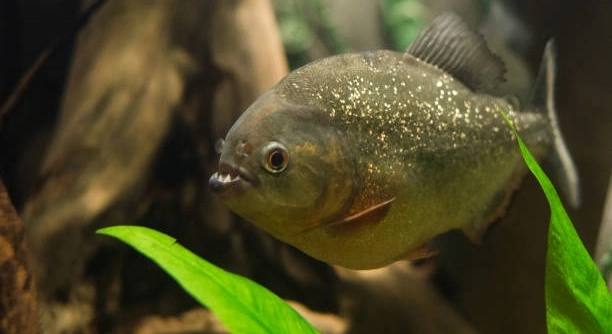
Do you ever find yourself fascinated by piranhas but unsure of what they’re actually trying to avoid in the wild?
Piranhas try to escape from larger predators, environmental changes, human interference, noise disturbances, low oxygen levels, strong currents, and competition within their group. These threats affect their behavior and habitat choices significantly.
Understanding these behaviors can help paint a clearer picture of how these fish survive and interact with their surroundings.
Predators That Threaten Piranhas
In the wild, piranhas are not at the top of the food chain. Larger animals such as caimans, river dolphins, and some birds of prey regularly hunt them. These predators are fast, skilled, and familiar with piranhas’ hiding habits. When piranhas sense danger, they often scatter in different directions to avoid being caught. Staying in schools helps them protect each other and confuse predators. Even though piranhas have sharp teeth and a strong bite, they are still vulnerable. Their best defense is speed, awareness, and staying hidden in underwater plants or murky areas. They are constantly alert, scanning their surroundings for any sign of danger. If a threat appears too quickly, their escape strategy is to dart away in unison. In calmer waters, their movements may seem peaceful, but under stress, they react instantly. Survival in their natural habitat depends on their ability to escape faster predators.
Larger predators can spot a lone piranha easily, so staying in a group lowers the risk of attack.
When one piranha senses danger, it often triggers a response from the entire school. This communication allows them to move quickly and avoid becoming an easy meal. Their schooling behavior is key for detecting and escaping fast-moving threats.
Low Oxygen Levels in Water
Piranhas are sensitive to drops in oxygen levels, especially during the dry season when water levels shrink.
In shallow or stagnant waters, oxygen levels often fall, creating a stressful environment for fish. Piranhas will move to deeper areas or spots with better water flow to find more oxygen. They rely on healthy gills to breathe and stay active, so low oxygen conditions can affect their ability to hunt or flee. During warmer months, oxygen dissolves more slowly in water, which makes it even harder for piranhas to breathe. If they remain in low-oxygen areas too long, they become sluggish and vulnerable. This is when predators have the upper hand. By relocating to areas with stronger currents or more vegetation, piranhas can find better conditions. Their behavior often changes during these times—they move less, stay closer to vegetation, and conserve energy. These patterns reflect their need for a stable environment. Clean, oxygen-rich water helps them stay healthy and quick to respond to danger.
Sudden Water Temperature Changes
Piranhas react quickly to changes in water temperature. When it gets too cold or too hot, they may stop moving as much or become stressed. These changes can affect how they feed, breathe, and escape danger.
Temperature changes affect their metabolism. In cooler water, piranhas move slower and digest food more slowly. If the water warms up too fast, they become more active but can also overheat and become stressed. This makes them more likely to hide or avoid open areas where they usually hunt. Extreme temperatures can even affect their immune systems, making them more likely to get sick. Piranhas will seek areas with more stable temperatures, like shaded regions or deeper pools. Staying in these spots helps them stay balanced and alert. Being too cold or too hot makes escaping predators harder, which is why they quickly shift locations when the water doesn’t feel right.
In the wild, piranhas are tuned into subtle temperature changes. Even a few degrees can shift their habits. They rely on consistency and will avoid shallow zones that heat up fast or cool down overnight. Moving to more stable areas helps them stay strong, feed regularly, and avoid threats. They prefer comfort over risk when it comes to temperature.
Loud Noises and Vibrations
Piranhas are highly sensitive to sound and water movement. Loud noises from boats or splashing can cause them to scatter. Vibrations in the water can feel like danger is approaching, which triggers their instinct to flee quickly.
In rivers where humans pass through often, piranhas tend to stay hidden. They don’t like frequent disturbances. The sound of engines, fishing tools, or even swimmers nearby can interrupt their regular activities. Sometimes they stop feeding or move deeper into the water to avoid detection. These reactions aren’t just for safety—they’re also how piranhas conserve energy and avoid drawing attention to themselves. Constant noise may even cause long-term stress, affecting how they grow or behave. For this reason, quieter, more stable areas tend to support larger, more active groups of piranhas. When things get loud, they escape quickly and stay low until the noise settles.
Strong Water Currents
Fast-moving water can push piranhas away from safe zones. They prefer calmer areas where they can rest, feed, and hide. Strong currents make it harder for them to swim, forcing them to use more energy.
When currents get too intense, piranhas often move toward riverbanks or slower parts of the stream.
Human Activity and Pollution
Pollution changes the chemical balance of the water and harms the areas piranhas rely on for food and shelter. Trash, fuel, and runoff from nearby land can make the water harder to live in. Piranhas may stop feeding, become disoriented, or leave their home range entirely. Human activity also destroys underwater plants, reducing the hiding spots they use to escape threats. In areas with high boat traffic or construction, piranhas might disappear for long periods. This doesn’t mean they’re gone—it means they’re searching for cleaner, quieter places. Over time, these changes can reduce their numbers and affect how they behave.
Competition Within the Group
Too many piranhas in one place can cause stress and fighting. When space or food is limited, stronger ones chase others away.
FAQ
Do piranhas really eat everything in sight?
No, that idea is mostly exaggerated. Piranhas are opportunistic feeders, but they do not eat everything around them. They mainly feed on smaller fish, insects, plants, and sometimes dead animals. In the wild, they don’t attack large animals unless they are already wounded or dead. Most of the time, piranhas spend their day looking for small bites of food and avoid wasting energy on anything too big or risky. Movies and stories often make them sound more dangerous than they really are. In real life, they are cautious and only feed when they feel safe.
Why do piranhas swim in groups?
Swimming in groups helps piranhas protect themselves. A group, or school, confuses predators and lowers the chance that any one fish will be caught. It also helps them find food more easily and stay aware of changes in their surroundings. When one piranha senses danger, the others react quickly, which gives the whole group a better chance of escaping. The school doesn’t hunt like a pack of wolves—they just stay close together for safety. This behavior is especially helpful when water conditions change or threats appear suddenly.
Can piranhas live in aquariums?
Yes, but they need a lot of space and very clean water. Piranhas in tanks require strong filters, hiding spots, and a steady water temperature. They don’t do well in small tanks or in places with sudden changes. Some people keep red-bellied piranhas as pets, but they’re not ideal for beginners. Piranhas can become nervous if the tank is too bright or if there’s too much noise nearby. When stressed, they may stop eating or act aggressively. Keeping them in a group is often better, but overcrowding can lead to fights.
What scares piranhas the most?
Loud sounds, fast movement, and changes in water quality make piranhas nervous. They are very alert and react quickly to things that don’t feel right. A sudden splash or strong vibration in the water can send them swimming for cover. Bigger animals and changes in water flow also scare them. Even temperature shifts or low oxygen can cause stress. When scared, piranhas tend to hide among plants or near the bottom. If the threat continues, they may leave the area completely. Their main goal is to stay safe, not to attack.
How do piranhas know when to escape?
Piranhas rely on senses like hearing and detecting water pressure. Their lateral line—a special part of their body—helps them feel movement and vibrations in the water. This lets them detect nearby animals or changes in the water. When something doesn’t feel right, they react fast. It could be a ripple from a predator, a change in current, or the sound of a boat. These signals tell them it’s time to move. Piranhas don’t take chances—they prefer to flee first and figure things out later. This habit keeps them alive in unpredictable environments.
Are piranhas aggressive to each other?
Yes, especially when food is low or space is tight. Piranhas may nip at one another to fight for food or protect their spot. In the wild, they have more space to move away, but in smaller areas, fights can happen more often. That’s why competition can cause some to leave the group. Even within a school, there is a basic order, and stronger fish may chase weaker ones. However, they don’t constantly fight. Most of the time, they swim peacefully unless something triggers stress, hunger, or crowding.
Do piranhas attack humans often?
Not really. Piranha attacks on people are very rare. Most happen when food is already in the water, or during dry seasons when they feel trapped. Even then, it’s usually just a few quick nips—not full attacks. People often swim in rivers where piranhas live without any problems. These fish are more likely to flee than bite, especially if they’re not provoked. Attacks usually happen when people splash or disturb their habitat during nesting time. Respecting their space and avoiding feeding them directly can prevent almost all problems.
Final Thoughts
Piranhas are often misunderstood. Many people think of them as dangerous fish that will attack anything that moves. In reality, they are cautious and prefer to avoid danger. Their lives are shaped by the need to stay safe. Whether it’s avoiding bigger animals, dealing with strong water currents, or reacting to sudden noise, piranhas are always alert. They don’t take risks unless they have to. Even when they move in groups, it’s not to hunt aggressively—it’s to protect each other. They spend most of their time looking for food, hiding, or staying still when they feel unsafe.
Each thing piranhas try to escape from shows how they rely on their senses and environment. When the water changes too quickly, or the oxygen levels drop, they react fast and move to safer spots. If a predator gets too close, they swim off without hesitation. This behavior is not about fear but survival. They aren’t trying to be aggressive; they’re trying to stay alive. Even human actions like pollution or noise can push them out of their natural spaces. This shows how sensitive they are to changes. It also reminds us that they are part of a larger system that needs balance to work well.
Understanding what piranhas try to escape from helps explain their behavior in the wild. It gives a more complete picture of their lives—not as scary fish, but as careful, responsive animals. They have adapted well to life in rivers with changing conditions and many threats. Learning about them this way can change how we see them. Instead of fearing them, we can appreciate how smart and cautious they are. Every action they take has a reason behind it. Whether hiding in plants, swimming away from noise, or avoiding strong currents, piranhas are always making choices to protect themselves. Respecting their space and learning about their needs is the best way to see their true nature.

Hello,
If you enjoy the content that we create, please consider saying a "Thank You!" by leaving a tip.
Every little bit helps us continue crafting quality advice that supports the health, happiness, and well-being of pets around the world, for pets of all shapes, sizes, and species.
We really appreciate the kindness and support that you show us!