
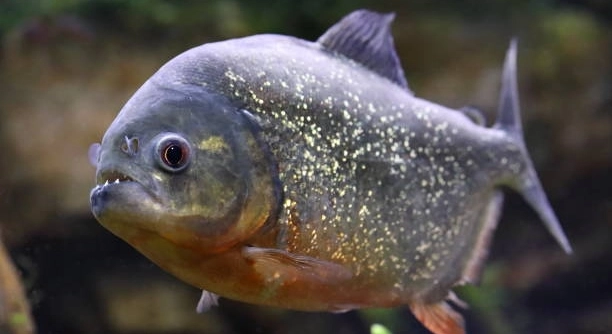
Piranhas are often seen as fierce fish that react quickly to changes. Their behavior outside the tank can be surprising to many aquarium owners. Understanding what influences them helps create a better environment for these creatures.
Piranhas may respond to various external stimuli such as sudden movements, vibrations, changes in light, sounds, reflections, nearby animals, and even feeding signals. These reactions are linked to their natural instincts and sensory adaptations.
Knowing what triggers piranhas outside the tank can help you manage their environment more effectively. This insight leads to safer interactions and a healthier space for your fish.
Sudden Movements Near the Tank
Piranhas are very sensitive to quick movements close to their tank. When something moves fast, like a hand or shadow, they may become alert or even aggressive. This reaction comes from their natural instinct to protect themselves and their territory. In the wild, sudden movements might mean a predator or prey nearby, so piranhas react quickly to stay safe or catch food. Aquarium owners often notice their fish darting around or showing more activity when someone approaches quickly. Keeping movements slow and calm near the tank can help reduce stress for the fish. Over time, piranhas can get used to regular, gentle motions but will still react to unexpected fast movements. Understanding this helps create a calmer environment for them and avoids startling the fish unnecessarily.
Fast movements trigger piranhas’ instinctual defense and hunting responses. This causes increased activity and alertness in the fish.
Controlling your movements around the tank helps keep piranhas relaxed and safe. They respond best to calm, steady motions rather than sudden, sharp ones.
Changes in Light and Reflection
Piranhas react strongly to changes in lighting and reflections outside their tank. Bright flashes or shifting light can confuse or excite them. They might mistake reflections for other fish or threats. This causes them to become more active or sometimes aggressive. Consistent lighting with minimal glare reduces unnecessary reactions. Using indirect light and avoiding strong reflections helps the fish feel secure. Sometimes, reflections from windows or shiny objects nearby can trigger repeated responses from the piranhas. Adjusting the tank’s placement or adding background covers can minimize these effects and improve the fish’s comfort. Over time, stable lighting conditions contribute to healthier behavior and less stress for the piranhas.
Sounds and Vibrations
Piranhas are very sensitive to sounds and vibrations around their tank. Loud noises or vibrations can cause them to become agitated or stressed quickly.
Sounds and vibrations outside the tank affect piranhas because they rely heavily on their lateral line system to detect movement and pressure changes in water. When loud noises occur nearby, such as tapping on the glass or household appliances running, it can make them nervous. Vibrations travel through the water and trigger their alertness or defensive behavior. This sensitivity is important for survival in the wild but can cause stress in a home aquarium if not managed carefully.
Reducing loud noises and avoiding tapping on the tank helps keep piranhas calm. Soft sounds and minimal vibrations create a peaceful environment that supports their well-being and reduces aggressive responses.
Nearby Animals and Reflections
Seeing other animals or their reflections outside the tank can confuse piranhas and cause reactions. They might think the reflections are rivals or potential threats.
When piranhas spot animals like birds, cats, or even people moving nearby, they often respond by showing defensive or curious behavior. Reflections on the glass can trick them into thinking another fish is invading their space. This can lead to increased activity, territorial displays, or attempts to attack the reflection. To reduce this, covering parts of the tank or positioning it away from windows and busy areas helps. Limiting visual distractions allows piranhas to feel more secure and lowers stress caused by false threats. Creating a stable environment improves their overall mood and health.
Feeding Signals Outside the Tank
Piranhas often react to feeding cues like hand movements or sounds near the tank. These signals trigger excitement and anticipation for food.
They quickly learn to associate certain actions with feeding time. This can cause them to become more active or swim toward the tank’s front.
Changes in Water Temperature
Sudden changes in water temperature outside the tank can cause piranhas stress. Even small shifts affect their comfort and behavior. Keeping the tank temperature stable is key to their health and calmness.
Reflections Causing Aggression
Reflections on the tank glass may confuse piranhas into seeing rivals. This can lead to aggressive behavior like biting or chasing their reflection. Reducing reflective surfaces helps lower these reactions.
What makes piranhas react to outside stimuli?
Piranhas have strong instincts shaped by their natural environment. Outside the tank, they react to movement, light, sound, and vibrations because these signals help them detect danger or food in the wild. Their sensory systems are designed to pick up on even small changes around them. This heightened awareness means that even small things outside the tank, like shadows or noises, can trigger their reactions. Understanding these triggers helps keep their environment calm and reduces stress.
How can sudden movements affect piranhas?
Quick movements near the tank can startle piranhas, causing them to swim erratically or become defensive. In nature, fast movements may signal predators or prey, so their response is natural. For aquarium owners, moving slowly and avoiding sudden gestures helps piranhas feel less threatened. Over time, consistent calm behavior around the tank can reduce these startled reactions.
Why are piranhas sensitive to changes in light?
Light changes, such as flashes or shadows, can confuse piranhas. They may see reflections or sudden brightness as other fish or danger, which causes excitement or aggression. Keeping the tank in a stable lighting environment with minimal glare helps reduce this stress. Using soft, indirect lighting or tank covers can improve their comfort.
Do piranhas react to sounds and vibrations outside the tank?
Yes, piranhas sense vibrations through their lateral line system, which helps them detect movement in water. Loud noises or vibrations from household items, tapping, or footsteps can disturb them. These stimuli may cause stress or defensive behavior. Minimizing noise and avoiding tapping on the tank are important steps to keep them calm.
What happens when piranhas see reflections in the tank glass?
Reflections can trick piranhas into thinking there are rival fish in their territory. This often leads to aggressive displays like biting the glass or chasing the reflection. To prevent this, covering parts of the tank or adjusting its position to avoid direct reflections helps reduce their stress and aggression.
How do piranhas respond to nearby animals outside the tank?
Animals like birds, cats, or even people moving near the tank can catch piranhas’ attention. They may become curious or defensive depending on what they see. Since piranhas are territorial, unexpected presence of other animals can make them more active or aggressive. Limiting these visual distractions supports a calmer environment.
Why do feeding signals trigger strong reactions from piranhas?
Piranhas quickly learn to associate certain actions or sounds with feeding time. Hand movements or tapping can excite them, making them swim eagerly toward the tank’s front. This conditioned behavior shows how alert they are to cues connected to food. Using consistent signals during feeding can help control their reactions.
Can temperature changes outside the tank affect piranhas?
Yes, even small changes in water temperature can stress piranhas. They thrive best in stable temperatures that mimic their natural habitat. Sudden cooling or heating can cause discomfort and change their behavior. Using a reliable heater and monitoring temperature regularly helps maintain a healthy environment.
What can aquarium owners do to reduce piranhas’ stress from outside factors?
Keeping the area around the tank quiet, with stable lighting and minimal reflections, helps reduce stress. Avoid sudden movements or loud noises. Position the tank away from busy areas or windows. Consistent feeding routines and gentle handling also contribute to a peaceful setting for piranhas.
How important is the tank environment in managing piranha behavior?
A well-maintained and stable tank environment is key to managing piranhas’ reactions. Proper lighting, temperature control, and minimizing external disturbances support their health and calmness. Understanding what triggers their responses allows owners to create a safer and more comfortable space for these fish.
Piranhas are fascinating fish with strong instincts that help them survive in their natural environment. When kept in home tanks, these instincts can still make them react to things happening outside the tank. It is important to understand that piranhas respond to many types of stimuli such as sudden movements, changes in light, sounds, vibrations, reflections, and nearby animals. These reactions are normal and part of their natural behavior. Knowing this can help aquarium owners create a better environment for their piranhas and reduce stress or aggressive behavior.
Managing the environment around the tank is key to keeping piranhas calm. Simple changes like avoiding quick movements near the tank, maintaining steady lighting, and keeping noise levels low can make a big difference. Reflections on the glass and shadows can confuse or upset the fish, so reducing these by repositioning the tank or using backgrounds can help. Piranhas also react to feeding signals and temperature changes, so keeping a consistent feeding routine and stable water temperature is important. Paying attention to these factors shows care and helps piranhas feel safe in their home.
By understanding what causes piranhas to react outside the tank, owners can better handle their behavior and provide a comfortable living space. A calm environment reduces stress and supports their health, making it easier to enjoy these unique fish. Keeping the tank in a quiet, stable area and avoiding sudden disturbances will benefit both the fish and the owner. Thoughtful care and attention to these simple details help ensure piranhas live happily and display more natural, relaxed behavior.

Hello,
If you enjoy the content that we create, please consider saying a "Thank You!" by leaving a tip.
Every little bit helps us continue crafting quality advice that supports the health, happiness, and well-being of pets around the world, for pets of all shapes, sizes, and species.
We really appreciate the kindness and support that you show us!