
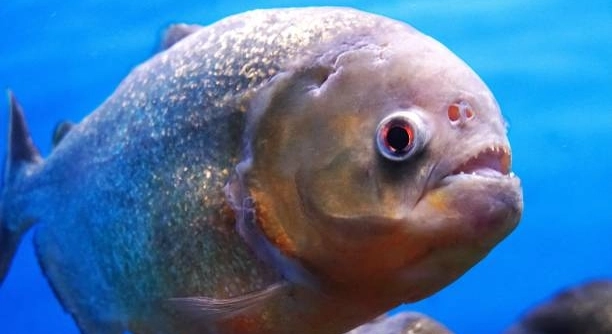
Piranhas are known for their sharp teeth and strong jaws, but their behavior to establish dominance is equally interesting. These fish use several tactics to show strength and claim their place within their group. Understanding these actions gives insight into their social structure.
Piranhas establish dominance through displays of aggression, physical confrontations, body posturing, and vocal signals. They also use biting and chasing to assert control, while maintaining their position through consistent behaviors within their group hierarchy.
These behaviors reveal much about piranha social life and survival. Learning more about them helps us appreciate how these fish interact beyond their fierce reputation.
Aggressive Displays and Threat Posturing
Piranhas often begin establishing dominance with aggressive displays that warn others without direct fighting. They flare their fins, open their mouths wide to show sharp teeth, and swim quickly in short bursts near rivals. These actions signal strength and confidence. The bigger or more vivid the display, the more likely it is to discourage challengers. This helps reduce the risk of injury, as physical fights can be dangerous. Such displays also help the group maintain order, as weaker fish quickly learn who is in charge. These visual warnings are important because piranhas live in crowded environments where space and resources are limited. They depend on these signals to avoid unnecessary fights that could harm the group’s stability.
This behavior shows how piranhas use energy wisely to keep peace. It is an efficient way to avoid conflict while still maintaining their status.
By mastering these displays, piranhas protect themselves and their social hierarchy. It’s a clever balance between strength and caution, keeping their group functioning smoothly in tight spaces.
Physical Confrontations and Chasing
Physical confrontations among piranhas usually happen when displays fail to settle disputes. When two fish challenge each other, they may charge, bite, or chase to push rivals away. These fights can be brief but intense. Biting is the most direct way to show power, targeting fins or bodies to weaken opponents. Chasing forces the challenger out of a territory or feeding area. Such confrontations quickly establish which fish is dominant, especially during feeding times. The dominant piranha controls the best spots, ensuring better access to food. While fights may seem harsh, they rarely cause serious injury because piranhas usually retreat once dominance is clear. This behavior is essential for maintaining order and protecting resources in their group.
Chasing also helps reinforce a fish’s status repeatedly, reminding others who leads. It is a continuous process that supports the hierarchy in the long term.
Vocalizations and Sounds
Piranhas use vocalizations to communicate dominance and warn rivals. These sounds include grunts, clicks, and pops made by grinding their teeth or vibrating their swim bladders. These noises help maintain order without physical fights.
Vocal sounds serve as an early warning system. When a dominant piranha feels threatened, it emits sharp noises to signal others to back off. This reduces the chance of injury by preventing unnecessary clashes. These sounds also reinforce the fish’s status within the group. Hearing these vocalizations reminds other piranhas who holds control and encourages submission. This method works well in murky waters where visibility is low, allowing fish to communicate even when they can’t see each other clearly.
The use of sounds shows that piranhas rely on more than just physical strength. They combine multiple ways to establish dominance, which keeps their social structure balanced and efficient.
Biting and Physical Contact
Biting is a direct and clear sign of dominance. Piranhas use their sharp teeth to nip or bite rivals, often targeting fins or non-vital areas. This action is both a warning and a way to weaken opponents.
Physical contact like biting confirms dominance during disputes. When a piranha bites another, it establishes control over territory or food. These bites may leave marks but rarely cause fatal harm, as prolonged fighting risks injury to both fish. Biting works alongside other behaviors like chasing and posturing to solidify hierarchy. Once dominance is clear, the subordinate fish usually retreats, reducing further conflict. This behavior is especially important during feeding times when competition is high. Piranhas depend on biting to protect their spot and maintain order in a group where resources are limited.
Overall, biting is a practical tool that balances aggression with social stability. It allows piranhas to quickly resolve disputes and focus on survival rather than constant fighting.
Body Posturing
Piranhas use body posturing to show dominance without fighting. They position themselves upright, puff up their bodies, and make themselves look bigger. This often scares rivals away.
Strong posturing helps avoid injury by settling disputes through visual signals. It’s a quick way to communicate strength in a crowded environment.
Territory Guarding
Dominant piranhas protect their space fiercely. They patrol their area and chase intruders away to keep control over food and mates. This behavior ensures they have the best resources.
Territory guarding is a constant activity that helps maintain the social hierarchy and resource access within the group.
Group Hierarchy Maintenance
Dominant piranhas keep their status by regularly reinforcing their position. They repeat displays, chases, and vocal warnings to remind others who leads. This ongoing behavior prevents challenges.
Maintaining hierarchy is important to reduce conflict and keep the group stable over time. It creates order in a competitive environment.
Consistent Behavior Patterns
Piranhas show dominance through repeated actions. These consistent behaviors help others recognize the leader and follow the social rules. It keeps peace in the group.
What makes piranhas so aggressive?
Piranhas have a natural instinct to protect their territory and food sources. Their sharp teeth and strong jaws make them look fierce, but their aggression mainly comes from the need to survive. In crowded waters with limited resources, they must compete often, which causes aggressive behavior. This aggression is a mix of defense and dominance, helping them secure food and mating opportunities. It’s not constant but flares up when they feel threatened or challenged.
How do piranhas decide who is the leader?
Dominance among piranhas is decided through a combination of displays, physical contests, and vocal signals. Larger, stronger fish usually take the lead, but it also depends on their ability to maintain control over territory and food. Dominant piranhas show off by flaring fins, chasing rivals, and biting when necessary. These actions warn others and reduce challenges. Once dominance is clear, other fish accept the leader’s position to keep peace in the group.
Do piranhas always fight to show dominance?
No, fights are actually quite rare. Piranhas prefer to avoid injury because it can affect their chances of survival. They use visual displays, sounds, and chasing to show dominance without physical harm. Fighting only happens if these warnings are ignored or if a challenge is very serious. Most times, the threat of aggression is enough to keep rivals away.
Why do piranhas make noises?
Piranhas produce sounds to communicate with each other, especially to signal danger or assert dominance. These noises come from grinding teeth or vibrating their swim bladders. Sounds help in murky waters where visibility is poor, allowing fish to warn others from a distance. These vocal signals reduce physical fights by giving rivals a chance to back off early.
How important is biting in piranha dominance?
Biting is a clear and direct way to show power, but it’s used carefully. Piranhas target fins or less vital areas to avoid serious injury. Biting usually happens during disputes over territory or food and helps weaken rivals so they give up. However, biting is balanced with other behaviors like chasing and posturing to maintain social order without constant fighting.
Do piranhas have a social structure?
Yes, piranhas live in groups with a clear hierarchy. Dominant fish control the best feeding and resting spots. This social structure helps reduce conflicts and ensures the group survives in a competitive environment. Fish follow the leader’s signals and avoid unnecessary fights, which benefits the entire group.
How do piranhas maintain their dominance over time?
Dominant piranhas keep their status by regularly repeating displays, chasing rivals, and making warning sounds. This constant reinforcement reminds others who is in charge. If a dominant fish weakens, others may challenge it, so staying active and alert is important. These ongoing behaviors help maintain order and reduce constant conflict.
Are all piranhas equally aggressive?
No, aggression varies based on species, size, and environment. Some piranha species are more aggressive, while others are calmer. Larger fish tend to be more dominant and assertive. Environmental factors like food availability and population density also affect aggression levels. In crowded or resource-poor areas, aggression increases as competition rises.
Can piranhas coexist peacefully?
Piranhas can live together peacefully if there is enough space and food. Their dominance behaviors create a social order that reduces constant fighting. When resources are plentiful, aggression is less frequent because there’s less competition. Understanding their behavior helps in creating better environments for piranhas in captivity or the wild.
What happens if a dominant piranha is removed?
If the dominant piranha is removed or weakens, another fish will quickly take its place. The group needs a clear leader to maintain order. Without a dominant fish, competition and fighting may increase until a new hierarchy is established. This process ensures the group stays balanced and survival chances remain high.
These questions cover key parts of how piranhas establish and maintain dominance. Their behavior is a mix of aggression, communication, and social rules that help them survive in challenging environments. Understanding these aspects gives a clearer picture of their complex nature beyond just their sharp teeth.
Piranhas are often thought of as only aggressive and dangerous fish, but their way of showing dominance is more thoughtful than just fighting. They use many methods like body posturing, making noises, chasing rivals, and biting to show who is in charge. These actions help them avoid serious injury by settling arguments without constant fighting. In their crowded habitats, where food and space are limited, these behaviors keep order and help them survive. This balance between being strong and careful shows how piranhas manage to live together even in tough conditions.
The social life of piranhas is more organized than many people realize. They live in groups with clear roles, where the dominant fish controls the best places for food and safety. Other fish respect this leader because it helps avoid constant fights that could hurt them all. The leader keeps its status by repeating signals like chasing and making sounds to remind others who is in control. This system creates a peaceful balance inside the group, so everyone knows their place. It’s a natural way to reduce conflict and protect resources for the whole group.
In the end, piranhas are more than just sharp teeth and aggression. Their way of establishing dominance involves communication and careful behavior to keep peace and order. They combine different strategies to protect themselves and maintain their social status without unnecessary harm. Learning about these behaviors helps us understand piranhas better and shows us how complex animal behavior can be. It reminds us that animals often use smart ways to live together, even if they seem fierce on the surface. This knowledge encourages a more balanced view of piranhas and their role in nature.

Hello,
If you enjoy the content that we create, please consider saying a "Thank You!" by leaving a tip.
Every little bit helps us continue crafting quality advice that supports the health, happiness, and well-being of pets around the world, for pets of all shapes, sizes, and species.
We really appreciate the kindness and support that you show us!