
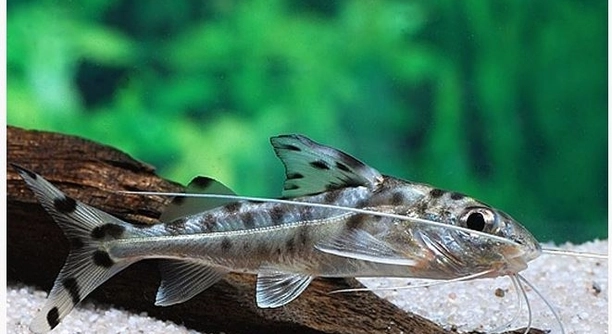
Pictus catfish are popular aquarium fish known for their active and curious behavior. Many owners notice actions that seem unusual at first glance. These behaviors often raise questions about what is normal for these fish.
The behaviors of pictus catfish that may appear strange, such as swimming upside down or darting suddenly, are typical and serve specific purposes like communication, hunting, and environmental adaptation. Recognizing these natural habits helps ensure their well-being.
Understanding why pictus catfish act in these ways can improve care and enjoyment. Exploring these behaviors offers valuable insight into their unique nature and needs.
Swimming Upside Down
Pictus catfish swimming upside down may seem unusual, but it is a normal behavior. They sometimes swim this way to reach food on the water’s surface or to explore tight spaces. This action helps them adapt to their environment and access different food sources. It can also be a sign of comfort in their tank if they feel safe enough to swim freely in unusual positions. Watching them swim upside down can be a fascinating part of their charm. It shows how flexible and active they are, unlike many other bottom-dwelling fish.
Swimming upside down helps pictus catfish access food and explore their environment more efficiently. It is a sign of natural behavior and tank comfort.
Pictus catfish have a unique body shape and fins that support this upside-down swimming style. Their strong pectoral fins allow them to maintain balance even when inverted. This behavior is mostly seen in younger or more active fish. As they mature, they might do it less often but still use it occasionally. Providing hiding spots and open swimming areas encourages this natural activity, promoting their overall health. Observing this behavior can reassure owners that their fish are thriving and engaging with their surroundings.
Sudden Darts and Jumps
Pictus catfish often make quick darts or jumps out of the water. This can seem alarming but it is normal. It helps them avoid threats and catch prey.
These sudden movements are linked to their natural instincts for survival and hunting. In the wild, quick darts help them escape predators or catch small insects near the water surface. In a tank, these movements may occur due to excitement, changes in light, or noticing reflections. They also use jumps to move between water bodies during floods in nature. This behavior helps keep them alert and active.
Owners can support this by maintaining a secure tank lid to prevent escapes and by keeping the environment stimulating but calm. A well-planted tank with hiding spots reduces stress, which in turn decreases frantic movements. Understanding this behavior shows the pictus catfish’s lively nature and need for an engaging environment to remain healthy. It is a sign of an alert and responsive fish, not a problem or illness.
Nocturnal Activity
Pictus catfish are more active at night. Their nighttime behavior may seem strange but is completely normal.
At night, pictus catfish use their sensitive barbels to explore and search for food. Their eyes are adapted to low light, making them better hunters after dark. This nocturnal activity helps them avoid predators and compete less for food during the day. In a home aquarium, you might notice them resting or hiding during daylight hours and becoming lively once the lights go out.
Providing a tank environment that mimics natural light cycles supports their health. Dim lighting or a night mode on aquarium lights helps keep their natural rhythm. They appreciate shaded areas and places to hide during the day. Recognizing their nocturnal habits helps owners understand when their fish are active and feeding. This knowledge allows for better feeding schedules and tank maintenance without stressing the fish.
Constant Fin Movement
Pictus catfish often keep their fins moving even when resting. This can look odd but serves a purpose.
Constant fin movement helps with respiration and balance. Their fins gently move to push water over their gills, improving oxygen intake. It also stabilizes them in the water and helps sense currents and vibrations in their surroundings. This subtle movement signals that the fish are alert and healthy.
If the fins stop moving or appear clamped, it may indicate stress or illness. Ensuring clean water and proper oxygen levels helps maintain this natural fin activity. Observing fin movement gives insight into your fish’s well-being and comfort in the tank.
Resting in Unusual Spots
Pictus catfish often rest in places that seem odd, like on rocks or decorations. This behavior is normal and helps them feel secure.
They choose these spots because they provide safety and shelter. These resting places mimic their natural environment and help reduce stress.
Constant Whisker Movement
The whiskers, or barbels, of pictus catfish move continuously. This helps them explore their surroundings and find food in dark or murky water.
These barbels are sensitive and allow the fish to detect vibrations and chemicals. Their constant movement is a sign of healthy, active fish.
Digging and Burrowing
Pictus catfish frequently dig or burrow in the substrate. This behavior is natural and helps them search for food or create hiding spots.
Digging is an instinctual activity that keeps them mentally stimulated and physically active. Providing a soft substrate allows safe digging without harming the fish.
FAQ
Why does my pictus catfish swim upside down sometimes?
Swimming upside down is a common and natural behavior in pictus catfish. They do this to reach food at the water surface or to explore tight spaces. Their body shape and fin structure support this movement, making it easier for them to navigate their environment. It’s not a sign of illness but a normal way they interact with their surroundings.
Is it normal for pictus catfish to dart suddenly?
Yes, sudden darts and jumps are normal. These quick movements are part of their natural survival instincts, used to avoid predators or catch prey. In a tank, they may react to reflections, sudden light changes, or excitement. Keeping the tank secure and calm can help reduce stress-related jumping.
Why do pictus catfish move their fins constantly?
Constant fin movement helps with breathing and balance. Moving fins push water over the gills to improve oxygen flow. It also helps them stabilize and feel vibrations around them. If the fins stop moving, it may indicate stress or health issues, so regular observation is important.
What does it mean when pictus catfish rest on rocks or decorations?
Resting in unusual spots like rocks or decorations is normal. These places provide shelter and reduce stress by mimicking their natural habitat. It shows they feel safe and comfortable in their tank environment.
Why do their whiskers keep moving?
Pictus catfish use their barbels to explore and find food, especially in dark or murky water. Constant whisker movement allows them to detect vibrations and chemicals, helping them navigate and stay aware of their surroundings.
Is it normal for pictus catfish to dig in the substrate?
Yes, digging and burrowing are natural behaviors. They dig to find food and create hiding places. Providing a soft substrate allows safe digging and keeps the fish mentally and physically active.
How can I encourage healthy behavior in my pictus catfish?
To support natural behavior, maintain a tank with proper lighting that mimics day and night cycles. Provide hiding spots, a soft substrate, and plenty of swimming space. Feeding at night or dusk aligns with their nocturnal habits. Regular water changes and proper oxygen levels keep them healthy and active.
What should I do if my pictus catfish stops moving its fins or acts lethargic?
Lethargy and lack of fin movement can signal stress or illness. Check water quality immediately, including temperature, ammonia, nitrite, and nitrate levels. Ensure proper oxygenation and reduce sudden changes in the environment. If symptoms persist, consult a specialist or vet experienced with fish.
Can pictus catfish jump out of the tank?
Yes, pictus catfish are known to jump, especially when startled or excited. It’s important to have a secure tank lid to prevent escapes and protect the fish. A calm environment with stable lighting can reduce jumping behavior.
Are pictus catfish social with other fish?
Pictus catfish are generally peaceful but active. They do well in groups of their own kind and can live with other non-aggressive fish. Social interaction helps reduce stress and encourages natural behaviors like schooling and exploration.
Do pictus catfish require special feeding routines?
Feeding them at night or during low light times suits their natural habits. They eat small insects, worms, and sinking pellets. A varied diet helps keep them healthy. Avoid overfeeding to prevent water quality issues.
How often should I clean my pictus catfish tank?
Regular cleaning is essential. Partial water changes of about 20-30% weekly keep the water fresh and reduce toxins. Cleaning the substrate and decorations occasionally helps maintain a healthy environment for your fish.
What signs indicate a healthy pictus catfish?
Active swimming, constant fin and whisker movement, regular feeding, and bright clear eyes indicate good health. Resting calmly in safe spots and displaying natural behaviors like digging and occasional upside-down swimming are also positive signs.
Can pictus catfish live alone?
They can survive alone but are happier in groups of three or more. Group living encourages natural social behaviors and reduces stress. Alone, they may become shy or less active.
What is the ideal tank size for pictus catfish?
A tank of at least 30 gallons is recommended for a small group. This size provides enough space for swimming and hiding, supporting their active nature and social needs.
Do pictus catfish need special water conditions?
They prefer clean, well-oxygenated water with a temperature between 72-79°F (22-26°C). Slightly acidic to neutral pH (6.5-7.5) suits them best. Stable water parameters are crucial for their health and natural behavior.
Final Thoughts
Pictus catfish have many behaviors that might seem strange at first, but they are all normal parts of how these fish live and interact with their environment. From swimming upside down to sudden quick movements, each action has a purpose related to their survival, comfort, or communication. Understanding these behaviors helps fish owners feel more confident and connected to their pets. It also makes caring for pictus catfish easier, as owners can provide the right environment and recognize when something might actually be wrong.
These catfish are naturally active and curious. Their constant fin and whisker movements, digging in the substrate, and resting in unusual places are signs they are healthy and engaged with their surroundings. Keeping their tank conditions suitable—such as proper lighting, clean water, and hiding spots—supports these natural behaviors. It is important to respect their needs and rhythms, like their preference for nighttime activity, to maintain their well-being. Observing these behaviors over time reveals the unique personality and habits of pictus catfish.
In summary, what may seem odd about pictus catfish is simply part of their natural lifestyle. Recognizing and accepting these behaviors allows owners to provide better care and enjoy the rewarding experience of watching these lively fish thrive. Patience and attention to detail go a long way in creating a comfortable home for pictus catfish, leading to a healthy and happy aquarium environment.

Hello,
If you enjoy the content that we create, please consider saying a "Thank You!" by leaving a tip.
Every little bit helps us continue crafting quality advice that supports the health, happiness, and well-being of pets around the world, for pets of all shapes, sizes, and species.
We really appreciate the kindness and support that you show us!