
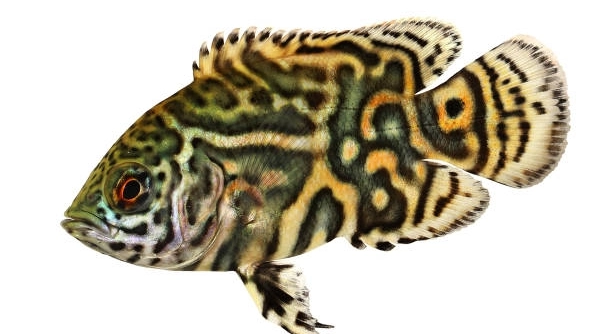
Are your Oscar fish behaving in unexpected ways that make you wonder if they’re trying to establish dominance in the tank? These fascinating fish have their own set of behaviors that often signal a deeper purpose.
Oscars claim a spot in the tank by displaying specific behaviors such as digging, flaring fins, chasing tankmates, and nudging objects. These actions help them assert territorial dominance and create a space where they feel secure and in control.
Learning these signs can help you understand your Oscar’s needs better and create a more peaceful tank environment for all.
Digging and Rearranging the Substrate
Oscar fish often dig through gravel or sand to mark their territory. This isn’t just random behavior—they’re claiming space. You might notice them pushing substrate to one side or clearing a flat area. They usually do this when preparing a spot they want to call their own. It’s a strong signal to tankmates that they’ve found a place to settle. If you see this happening regularly in the same area, it’s best to leave that spot undisturbed. Moving objects or decor can stress them out and cause them to restart the process. Oscars like to create their own layout, and once they’ve picked a location, they can get protective. This activity usually increases when new fish are added or during changes in the environment. Providing a large enough tank with distinct zones helps minimize territorial disputes, especially when more than one Oscar is present.
They like areas they can shape themselves and will keep working until they’re satisfied.
Giving them enough space and not rearranging their layout too often helps reduce stress. Let them settle into the arrangement they’ve created, as it gives them a sense of control and comfort.
Chasing and Nudging Tankmates
Oscars use chasing and nudging to show dominance, especially when they feel another fish is getting too close to their chosen spot.
They might not always hurt the other fish, but these actions serve as warnings. Nudging is usually mild but consistent, while chasing tends to occur when the other fish doesn’t back off. It’s not always about aggression—it’s a form of communication. In a tank that’s too small, these behaviors can escalate and become more stressful for all fish involved. Adding hiding spaces or visual barriers can help fish avoid constant interactions. Oscars like being in charge of their area, and when their territory feels threatened, they respond quickly. If the tank is crowded or lacks structure, these displays increase. Regular observation helps you understand when it’s becoming a problem and when a change in tank setup or population may be necessary. Understanding these signs makes it easier to maintain peace.
Flaring Fins and Body Posturing
Oscars flare their fins and puff up their bodies to appear larger when defending their space. This is a visual warning to other fish. It’s a way of saying, “Back off,” without escalating to a full fight.
This behavior is common when two Oscars are placed together or when tankmates invade their space too often. They raise their dorsal and anal fins, angle their bodies, and may tilt sideways to exaggerate their size. Sometimes, this is followed by tail slapping or rapid movements meant to intimidate. It’s often temporary, especially if the other fish backs away. If neither yields, it could turn into chasing or light biting. These displays are how Oscars set boundaries. If your Oscar is doing this frequently, check tank size and layout. Overcrowding or a lack of hiding places can increase this behavior, so a well-decorated tank with space dividers is helpful.
This behavior isn’t always negative. It’s natural and often settles on its own, especially if the Oscar feels its point has been made. However, if the fin flaring turns into constant aggression, the setup might need adjustment. Making sure tankmates aren’t too small or passive helps reduce conflict. Keep a close watch if new fish are added.
Hovering in a Specific Area
Oscars often hover near a certain area to signal that it belongs to them. This motionless behavior is quiet but clear. They will return to this spot repeatedly and may chase others away if they come too close.
This is a territorial sign and not just casual resting. When Oscars choose a zone, they tend to stick with it. You’ll notice they guard it, hovering just above it, and even sleeping near it. That area might be next to a rock, plant, or decoration they’ve adopted. These spots make them feel secure, and they will return there even after being chased off. In shared tanks, this can create tension if other fish are unaware of the boundaries. Adding more structure in the tank creates natural separations and helps fish avoid conflict. Keep an eye on how often your Oscar hovers and how it reacts to others approaching its space.
Lip Locking with Other Oscars
Lip locking happens when two Oscars try to assert dominance. They push against each other using their mouths in a forceful way. It’s often mistaken for mating, but it’s usually about power and territory.
If neither backs off, it can lead to injury. This behavior should be watched closely.
Guarding Objects or Decorations
When an Oscar starts guarding a specific item like a rock or plant, it’s marking that space as its own. This guarding may include chasing others away or staying close to the object all day. Oscars pick items they feel comfortable near and defend them often. You might also see them nudging or cleaning the object as a sign of ownership. If there are limited decorations in the tank, conflict increases. Giving each fish enough structure helps avoid repeated clashes. Oscars are bold, and they don’t mind showing what belongs to them. It’s one way they build routine and comfort.
Digging Holes Near a Corner
Digging near a corner is a common sign of nest building or territory marking. Oscars like the security corners offer, and they often create a pit they return to regularly.
FAQ
How can I tell if my Oscar is stressed?
Oscars show signs of stress in various ways, including swimming erratically, hiding more than usual, or displaying aggressive behavior like fin flaring or chasing. If your Oscar stops eating or shows unusual body movements, this could also signal stress. Environmental changes such as poor water quality, overcrowding, or incorrect tank mates can contribute to this. Providing a stable environment with proper filtration, water conditions, and adequate space helps reduce stress. Ensuring they are not constantly disturbed by other tankmates will also make them feel more secure.
Why does my Oscar chase other fish?
Oscar fish are territorial and may chase other fish to protect their space. If another fish gets too close to their claimed area, the Oscar will chase it away. This behavior is common, especially when they feel their territory is being threatened. It’s important to provide enough space and hideouts to reduce territorial disputes. Keeping aggressive tankmates separate and maintaining a calm environment can also help reduce the frequency of chasing. Additionally, Oscar fish are known to be quite intelligent, so they may also chase out of curiosity.
Can Oscars live with other fish?
While Oscars can live with other fish, it’s essential to choose tankmates carefully. They are large, powerful, and can be aggressive, especially toward smaller or slow-moving fish. Ideal tankmates include fish of similar size and temperament, like large catfish or robust cichlids. Avoid keeping Oscars with small fish, as they may become prey. Also, it’s crucial to provide enough space for all the fish, as overcrowding can lead to increased aggression. Always monitor their interactions to ensure that no fish is being harassed or injured.
Why does my Oscar keep digging in the substrate?
Digging is a natural behavior for Oscars, often used to mark their territory or create a resting area. They may dig to move substrate or uncover a space they can claim as their own. This behavior is more common when they are establishing dominance or creating a nest. It’s a sign that your Oscar is comfortable in its environment, but it can also become disruptive if done excessively. Providing a large, stable substrate and decorations can help reduce the amount of digging and give your Oscar an appropriate space to claim.
Is it normal for my Oscar to fight with tank mates?
It’s quite normal for Oscars to display aggressive behavior, including fighting with tankmates. As territorial fish, they will fight to protect their space or assert dominance, especially when there are other fish in the tank. Oscars can also be territorial toward each other, leading to fights. It’s essential to observe the interactions between your Oscar and other fish, as persistent fighting may result in injury. In some cases, separating aggressive fish into different tanks may be necessary. A large tank with plenty of hiding places helps minimize conflict.
How often should I feed my Oscar fish?
Oscar fish should be fed once or twice a day, depending on their size and activity level. They are carnivorous and need a protein-rich diet, including pellets, live food, or frozen foods. Avoid overfeeding, as Oscars tend to eat too much if given the chance, leading to obesity and water quality issues. Ensure the food is appropriate for their size, and monitor how much they eat to avoid uneaten food deteriorating the water. Regular feeding schedules help maintain a healthy, active Oscar.
Can Oscars live in smaller tanks?
Oscars need plenty of space to thrive, and a smaller tank will quickly lead to stress and aggression. A minimum tank size for one adult Oscar is typically 55 gallons, but larger tanks (75 gallons or more) are ideal. Oscars grow quickly and need room to swim and establish territory. In smaller tanks, they may feel cramped, leading to more aggressive behaviors. Larger tanks with plenty of hiding spots allow Oscars to create territories and reduce stress. A bigger tank also helps maintain water quality, which is crucial for their health.
What temperature should my Oscar tank be?
Oscar fish thrive in water temperatures between 74°F and 81°F (23°C to 27°C). Keeping the water temperature within this range is essential for their health and activity. If the temperature falls outside of this range, they may become stressed, and their immune system could weaken. An aquarium heater can help maintain a stable temperature. Regularly check the water with a thermometer to ensure it remains consistent. Sudden temperature changes or fluctuations can cause illness, so it’s important to monitor the tank’s temperature regularly.
Why does my Oscar chase its reflection?
Oscars may chase their reflection because they see it as another fish entering their territory. This behavior is a form of territorial defense. They often mistake their reflection for an intruder, which can cause them to act aggressively. If your Oscar is constantly chasing its reflection, it might be stressed or confused. To reduce this behavior, place the tank in a location where it’s not exposed to too much light or reflections from windows and mirrors. You can also add decorations or plants to block the reflection.
How can I tell if my Oscar is healthy?
A healthy Oscar will have clear, vibrant eyes, smooth skin, and active swimming behavior. They should have a healthy appetite and be alert, showing curiosity toward their environment. If your Oscar is swimming erratically, has faded or damaged fins, or refuses to eat, it could indicate an issue. Regular water changes and maintaining proper water quality are essential for keeping Oscars healthy. Always monitor their behavior and look out for signs of illness, such as abnormal swimming patterns, discoloration, or bloating. Quick intervention can prevent many health problems.
Final Thoughts
Oscars are fascinating and rewarding fish to keep, but they require specific care and attention. Their size, territorial nature, and aggressive tendencies make them unique among aquarium fish. With the right setup, such as a large tank with plenty of hiding spots, they can thrive and live a long, healthy life. Regular water changes and proper filtration are essential to keeping the water quality high and preventing common issues like stress or disease. By understanding their behavior and needs, you can create an environment where they feel comfortable and secure.
However, owning an Oscar does come with challenges. Their aggressive nature can lead to conflicts with other fish, so choosing compatible tankmates is crucial. Oscars often exhibit territorial behaviors, such as chasing or even fighting with other fish, particularly during breeding periods. It’s important to monitor their interactions and be prepared to separate them if necessary. Additionally, their tendency to dig and rearrange the tank can be disruptive, so setting up the aquarium with sturdy decorations and proper substrate is vital to minimize potential damage.
In the end, Oscars make excellent pets for those who are willing to put in the effort. They are intelligent, interactive, and capable of forming a bond with their owners. By providing the proper care, you can enjoy watching their fascinating behaviors and ensure that they live a healthy and happy life. Keep in mind that while they may require more attention than other fish, the rewards of having a thriving Oscar in your aquarium are well worth the effort.

Hello,
If you enjoy the content that we create, please consider saying a "Thank You!" by leaving a tip.
Every little bit helps us continue crafting quality advice that supports the health, happiness, and well-being of pets around the world, for pets of all shapes, sizes, and species.
We really appreciate the kindness and support that you show us!