
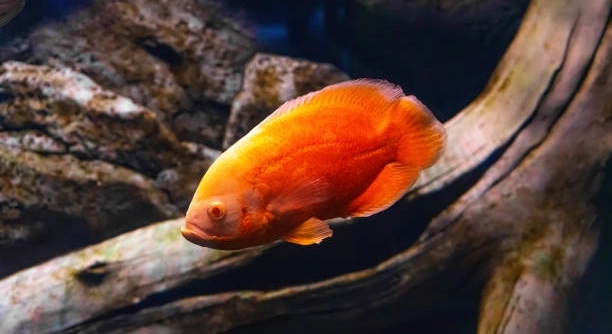
Oscar fish are fascinating creatures with unique behaviors, and when they’re feeling nervous, their actions can be quite telling. Understanding these signals can help provide better care and a calmer environment for your fish.
Oscar fish tend to display several behaviors when they’re nervous, such as hiding, darting around, changing color, or even aggressive posturing. These actions serve as responses to stress or fear, indicating their discomfort in the current environment.
Recognizing these signs can make a big difference in improving your Oscar fish’s well-being and reducing their anxiety. Understanding what triggers this behavior will help create a more peaceful tank environment.
Hiding in Plants or Decorations
Oscar fish often hide when they’re feeling nervous. This behavior is their way of seeking safety and a place to escape from perceived threats. They may retreat to the back of the tank or behind plants, rocks, or other decorations. Hiding is a natural instinct for many fish when they feel stressed. If your Oscar fish is spending more time in hiding than usual, it could be because of a change in the tank, the introduction of a new fish, or even loud noises around the tank. It’s important to ensure the tank is equipped with hiding spots that give them a sense of security without overcrowding the space.
Their tendency to hide might also indicate that they’re feeling unwell or that their environment is not right for them. It’s crucial to keep track of their behavior and the conditions of their habitat. Keeping the tank clean, avoiding sudden changes, and reducing stress can help your Oscar feel more comfortable and confident in their surroundings.
For a fish that likes its space, keeping your tank layout simple yet secure can go a long way. Plenty of hiding spots will make your fish feel safe, giving them the confidence to venture out more often.
Swimming Erratically
When Oscar fish are nervous, they often swim around the tank erratically. This could mean they’re stressed or trying to escape a threat.
Oscars may swim quickly from one side of the tank to the other or even dash to the surface, almost as if they’re looking for an exit. This behavior is an attempt to avoid danger or a way of dealing with anxiety. In some cases, this could be a response to water quality issues, tankmates, or sudden changes in the environment. Keep an eye on the water parameters and ensure all fish are compatible to avoid creating an overly stressful environment.
In addition to water conditions, any new additions to the tank or shifts in lighting can cause your Oscar fish to swim frantically. Providing a stable environment is key to preventing this. Reduce loud noises around the tank and keep any tank changes gradual so your Oscar can adjust without panic.
Changing Color
Oscar fish can change their color when they’re nervous. This can range from fading to darker shades or even showing more vibrant hues as a response to stress.
Color changes are one way they signal discomfort. Stress factors such as poor water quality, aggressive tankmates, or even tank temperature fluctuations can trigger this reaction. Oscars, like many fish, use color as a means of communication. Darkening or lightening their colors is a sign that something in their environment is not quite right. These shifts are typically a temporary response, but repeated color changes could indicate ongoing stress.
If your Oscar is frequently changing color, check the water parameters and make sure there are no aggressive tankmates. Keep the tank clean and ensure the temperature is stable. A calm environment will help your Oscar maintain its natural colors and reduce stress.
Displaying Aggression
Aggressive behavior is another common sign that an Oscar fish is feeling nervous. When threatened, they may display territorial behaviors or even chase other fish.
Oscar fish are naturally aggressive, but this tendency becomes more pronounced when they are stressed or uncomfortable. They may swim aggressively around their tank, charging at objects or other fish, especially if they feel cornered. Aggression could also indicate that your Oscar is trying to establish dominance or protect its space. Monitoring the interaction between tankmates and ensuring the fish have enough space can help reduce this behavior.
If the aggression continues, it might be helpful to rearrange decorations in the tank. This can break up territorial claims and reduce stress. Ensuring that there’s enough space and hiding spots for all fish in the tank is essential to maintaining peace.
Darting to the Surface
Oscar fish may dart to the surface when nervous. This behavior often happens when they feel threatened or startled by something in their environment.
This action is sometimes linked to fear. They may quickly swim to the surface in search of air or to escape perceived danger. If they continue darting to the surface, it could be a sign of stress due to water conditions or other factors in the tank. Ensure the water is oxygenated and check for any sudden disturbances that could be causing this behavior.
Staying Still
When an Oscar fish is nervous, they may remain motionless for long periods. This stillness can be a sign of stress or confusion.
Staying still might be their way of trying to process their environment or avoid a perceived threat. It could indicate they are overwhelmed by changes or unsure how to respond to their surroundings. If your Oscar is often staying still, consider adjusting the environment or adding hiding spots to make them feel more secure. Providing a calm space will encourage them to return to their usual activities.
FAQ
Why is my Oscar fish hiding all the time?
Hiding is a common behavior when an Oscar fish is nervous. It may feel stressed, threatened, or uncomfortable in its environment. Changes such as new tankmates, loud noises, or poor water quality can make them seek safety. To help reduce hiding, ensure the water conditions are stable and that the tank has enough hiding spots. A calm, familiar environment will help your Oscar feel more secure and less likely to hide.
How can I tell if my Oscar fish is stressed?
Oscar fish show stress through several signs, including hiding, erratic swimming, aggression, and changes in color. If your fish is swimming erratically or darting around, it could be a sign of stress. Stress can also cause your Oscar to darken in color or appear more pale than usual. If you notice these behaviors, check the water quality, temperature, and any possible changes in the tank, such as new fish or decorations.
Can water temperature affect my Oscar fish’s behavior?
Yes, temperature changes can significantly impact an Oscar’s behavior. If the water temperature is too high or low, your fish may become stressed, which could cause hiding, erratic swimming, or other nervous behaviors. Oscars prefer warm water, usually between 75-80°F (24-27°C). If the temperature fluctuates outside this range, it can cause discomfort, leading to nervous behaviors. Maintain a stable temperature to reduce stress and keep your Oscar comfortable.
How do I know if my Oscar fish is sick or just nervous?
Sick Oscar fish often display symptoms such as loss of appetite, clamped fins, or lethargy. While nervous behavior may mimic these signs, a sick fish may show more extreme symptoms like lesions or rapid breathing. If your Oscar is acting nervous but still eating and swimming normally, it’s likely stress-related. However, if the fish appears lethargic, has unusual spots, or is not eating, you may need to consult a vet to rule out illness.
What should I do if my Oscar fish is acting aggressively?
Aggression is common for Oscar fish, but when they are nervous, this behavior can escalate. If your Oscar is being too aggressive towards tankmates, consider rearranging the tank. This can break up territories and reduce tension. Additionally, check that the tank size is appropriate for the number of fish. In some cases, separating overly aggressive fish into a different tank can help create a calmer environment for all involved.
How can I reduce my Oscar fish’s stress?
Reducing stress for your Oscar fish starts with providing a stable and secure environment. Regularly check the water parameters, such as pH, ammonia, nitrites, and nitrates. Keep the tank clean and make sure the water temperature stays consistent. Avoid sudden changes, whether it’s moving decorations or adding new fish. Also, minimize loud noises around the tank. Providing hiding spots and a bit of space can help your Oscar feel more at ease.
Should I be worried if my Oscar is swimming to the surface?
Oscar fish may swim to the surface when nervous, but it’s not always a cause for alarm. If they’re darting up quickly or frequently, it might signal stress, such as water quality issues or low oxygen levels. Check if the water is properly oxygenated and adjust the filtration if needed. If the behavior continues, you may want to check for underlying problems, such as overcrowding or a change in the tank’s environment.
How much space does an Oscar fish need?
Oscar fish need plenty of space to feel secure and avoid stress. A minimum of a 75-gallon tank is recommended for a single adult Oscar. If you have more than one, consider even larger tanks. Providing enough space will allow them to establish territories and reduce aggressive behaviors. A tank that is too small will increase stress levels, causing your fish to behave nervously or even aggressively.
Is it normal for my Oscar fish to change color when nervous?
Yes, Oscar fish may change color when they are nervous. When stressed, they might darken or lighten in color as a natural response. This is often temporary and directly linked to their mood or environment. If your Oscar’s color changes frequently, it may be reacting to poor water quality, aggression from tankmates, or other stressors. Addressing the root cause of the stress should help restore your fish’s normal coloring.
Can adding new tankmates cause my Oscar fish to be nervous?
Adding new tankmates can definitely stress an Oscar fish, especially if it is not used to sharing its space. Oscars are territorial by nature and may become aggressive or nervous around new fish. To reduce stress, introduce new fish gradually and monitor the behavior of all fish. Ensure that the new tankmates are compatible with your Oscar’s temperament and provide enough space and hiding spots for everyone.
How do I know if my Oscar is bored?
Oscar fish can become bored, especially if their tank lacks stimulation or variety. Signs of boredom include lethargy, swimming aimlessly, or not engaging with their environment. To combat boredom, try adding different decorations, plants, or changing the tank layout from time to time. Providing regular feeding schedules and enriching their environment with new elements can keep your Oscar mentally stimulated.
Final Thoughts
Understanding your Oscar fish’s nervous behavior is crucial in ensuring its well-being. When Oscars feel stressed, they show specific signs such as hiding, erratic swimming, or changes in color. Recognizing these behaviors early can help prevent long-term issues, such as poor health or aggression. Stress can come from many sources, including water quality, tankmates, and environmental changes. By paying attention to the signs your Oscar is giving, you can take steps to address its needs and provide a calmer, more comfortable environment. Oscars are sensitive fish, and a little extra care can make a big difference in how they behave.
Creating the right environment for your Oscar fish is key to reducing stress. Ensuring stable water parameters and avoiding sudden changes will help your fish feel more secure. This includes regular water changes, proper filtration, and monitoring the water temperature. It’s also important to provide hiding spots and enough space for your Oscar to move freely. Tankmates should be carefully chosen to avoid aggressive interactions that could make your Oscar anxious. A peaceful environment encourages healthy behavior and reduces signs of nervousness. The more stable and comfortable your Oscar feels, the less likely it is to show signs of stress.
Lastly, always keep an eye on your Oscar’s behavior and adjust as needed. If stress continues despite making improvements to the environment, it may be helpful to seek professional advice. Sometimes, the stress is caused by an underlying issue like illness, and it’s important to rule that out. While nervous behavior is often temporary, long-term stress can affect your fish’s health, so it’s important to address it promptly. By staying attentive to your Oscar’s needs, you can help ensure that it remains healthy and happy in its tank.

Hello,
If you enjoy the content that we create, please consider saying a "Thank You!" by leaving a tip.
Every little bit helps us continue crafting quality advice that supports the health, happiness, and well-being of pets around the world, for pets of all shapes, sizes, and species.
We really appreciate the kindness and support that you show us!