
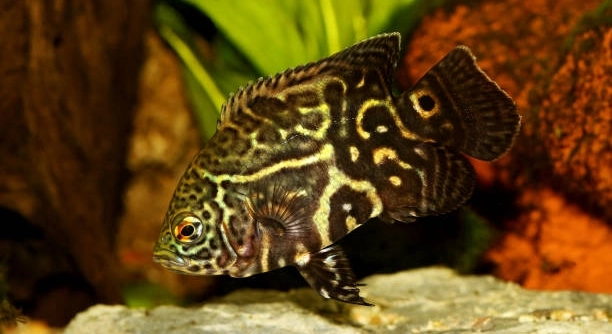
Oscar fish are fascinating creatures, but like many pets, they can get bored. When this happens, they show certain behaviors. Understanding what these behaviors are can help ensure your fish stay happy and healthy in their environment.
Oscar fish exhibit various behaviors when they are bored, such as swimming in repetitive patterns, interacting with their tank mates aggressively, or even splashing water. They may also hide or become more vocal, signaling a lack of stimulation.
Keeping your Oscar fish engaged can improve their well-being. It’s important to monitor their activities closely and adjust their environment to prevent boredom-related issues.
Repetitive Swimming Patterns
Oscar fish often swim in repetitive patterns when they’re bored. They can be seen pacing up and down the same part of the tank, as if they’re trying to entertain themselves. This behavior is more common in tanks that lack variety, such as decorations, plants, or hiding spots. Without enough things to explore, Oscar fish end up swimming aimlessly. If left unaddressed, this can become a regular routine that can affect their health, both physically and mentally. A more stimulating environment helps them break free from this cycle and reduces stress.
Adding new decorations, rearranging their tank, or even introducing safe tank mates can encourage them to explore new areas. This reduces the chances of repetitive swimming, as the fish will become curious about their updated surroundings.
It’s essential to remember that Oscar fish are naturally curious and intelligent, so they need more than just food and clean water to thrive. Giving them something to interact with will make a huge difference in their overall activity and well-being.
Aggressive Behavior
Sometimes Oscar fish show signs of aggression when they feel bored or stressed. This can include chasing their tank mates or even attacking them. This behavior isn’t necessarily out of aggression but stems from a need to interact with something or someone.
One reason this occurs is that when fish have limited mental stimulation, they start to act out. Adding more hiding spots, decorations, or changing the layout of their tank can help diffuse this behavior. Additionally, it’s important to ensure the tank is big enough to prevent territorial disputes and provide enough space for all fish to move freely.
Aggression could also be a sign that Oscar fish need more social interaction or environmental enrichment. Tank mates should be chosen carefully to prevent aggressive behavior. A balanced tank setup promotes peaceful coexistence and keeps your Oscar fish engaged without resorting to aggression.
Hiding More Than Usual
When Oscar fish are bored, they might start hiding more often than usual. They may seek out corners or dark spots in the tank, avoiding interaction with the rest of their environment. This can be a sign that they’re feeling unstimulated or uncomfortable.
Adding structures like caves or plants can help provide more hiding spots, which might give them a sense of security. However, it’s important to note that excessive hiding could indicate something is off in the tank environment. Maintaining proper water quality and temperature can reduce stress, encouraging them to explore and interact more.
In some cases, Oscar fish will also hide when they’re feeling overwhelmed or threatened. If they don’t have enough space to roam freely or the tank is too crowded, they may retreat. Keeping their tank clean and well-maintained can prevent these stressors and promote a more active lifestyle. A well-balanced environment is key to reducing boredom and helping them feel safe.
Splashing Water
Bored Oscar fish sometimes splash water out of the tank as a way of getting attention or expressing frustration. This behavior often occurs when they feel under-stimulated or when there’s a lack of excitement in their environment. It’s a sign they might be looking for something new to engage with.
To prevent this behavior, try adding more items to the tank, like floating plants or new decorations, that encourage movement and exploration. If the tank is too bare, Oscar fish can easily become restless, leading to splashing. Providing a more dynamic space will keep them more active and engaged.
Also, the water’s level in the tank might need to be adjusted. Too much water can make them more likely to splash, while too little can cause stress. Regular water changes are essential to maintain their health, and a clean environment may also reduce these types of behaviors.
Increased Vocalization
When Oscar fish are bored, they may become more vocal, making noise against the tank walls or making low grunting sounds. This is their way of signaling discomfort or frustration due to a lack of stimulation. It’s their attempt to interact with their surroundings.
Increasing interaction with your Oscar fish, like feeding them at different times or adding more items to the tank, may reduce this vocalization. They are likely seeking attention, so offering them mental challenges such as new toys or food can help. It’s important to monitor them for any signs of distress.
In some cases, vocalizations might indicate that the water conditions aren’t ideal, contributing to stress. Regular water changes, along with maintaining proper filtration and temperature, can help alleviate this. When Oscars feel comfortable in their environment, their behavior will likely return to normal.
Excessive Resting
Oscar fish that are bored might rest more than usual. They could remain stationary at the bottom of the tank or hover near the sides, showing little interest in exploring. This often happens when their environment lacks stimulation.
Adding new plants, decorations, or tank mates can encourage movement and exploration. A tank that is overly bare or lacking activity can lead to this tired behavior, making it seem like they’re uninterested in the world around them.
Focusing on Reflections
Oscar fish sometimes become fixated on their own reflection, especially when they’re bored. This can lead to constant swimming toward the glass or acting aggressively toward their own image. They may mistake it for another fish, leading to unnecessary energy expenditure and stress.
To reduce this, placing items like plants, rocks, or other tank decorations in front of the glass can help break their line of sight. This creates new focal points for the fish and helps them focus on their real surroundings rather than their own reflection.
FAQ
What are the signs that my Oscar fish is bored?
When Oscar fish are bored, they often exhibit behaviors such as swimming in repetitive patterns, hiding more than usual, becoming more aggressive, or even splashing water out of the tank. These actions indicate they’re looking for stimulation or trying to interact with their environment in any way possible. If they’re spending excessive time at the bottom of the tank or near the sides, it may also be a sign they’re feeling unmotivated and uninterested in their surroundings. Keep an eye out for these behaviors to ensure they’re not just getting bored but also staying healthy.
How can I prevent my Oscar fish from getting bored?
To prevent boredom, make sure your Oscar fish has a well-rounded environment. Adding decorations like caves, plants, and rocks can provide new areas to explore and hide. You can also rearrange the tank layout to keep things fresh and interesting. Introducing other tank mates or changing their feeding routine can offer mental stimulation. The more variety and challenge you provide, the less likely they’ll get bored and start exhibiting undesirable behaviors. Regularly changing things up keeps your Oscar engaged.
How much space does an Oscar fish need to avoid boredom?
Oscar fish require a spacious tank to thrive. A minimum of 55 gallons is recommended for one Oscar fish, though larger tanks are ideal, especially if you’re keeping more than one. A bigger tank gives your fish room to explore and move freely, which is crucial for their mental stimulation. Without enough space, they may feel confined, leading to boredom and stress. A well-sized tank, combined with a variety of decorations and hiding spots, ensures they have plenty of room to engage in natural behaviors.
Can Oscar fish be kept with other species to reduce boredom?
Yes, Oscar fish can be kept with other species, but it’s essential to choose tank mates carefully. Oscars are known to be aggressive and territorial, so it’s best to pair them with larger fish that can hold their own. Species like cichlids, plecos, or larger catfish often do well with Oscars. Adding other fish not only keeps Oscars engaged but also provides them with social interaction, which can help reduce boredom. However, monitor interactions closely to avoid any aggression or territorial disputes.
Do Oscar fish need toys or enrichment to stay entertained?
Oscar fish can benefit from enrichment, even though they don’t play with toys in the same way some other pets might. Providing new things to explore, such as moving current from a filter, or adding objects like floating logs, can keep them interested. You can also try using food puzzles or hiding food in different parts of the tank to encourage problem-solving. While Oscars may not engage in active play like a pet dog or cat, they appreciate an environment that challenges them and offers new things to discover.
How often should I change my Oscar fish’s tank setup to keep them engaged?
Changing the tank setup every few months can help keep your Oscar fish engaged. Even small alterations, like moving plants or changing the position of decorations, can spark curiosity. If you add new items to the tank, such as plants, rocks, or other accessories, this gives your fish something new to explore. Be sure to do this gradually so the changes aren’t too overwhelming. However, too much change at once can stress out your fish, so it’s important to balance novelty with stability.
What should I do if my Oscar fish becomes too aggressive?
If your Oscar fish becomes aggressive, it could be a sign of stress or boredom. Aggression is often linked to territorial behavior, and it can worsen if the tank environment isn’t stimulating enough. Try adding more hiding spots or rearranging the tank to reduce territorial disputes. If you have tank mates, make sure they are the right size and temperament for an Oscar. Aggression can also be a sign of poor water conditions, so ensure the tank’s water is clean and well-filtered. If the behavior continues, you may need to remove aggressive individuals or reconsider tank mates.
Are there certain fish that shouldn’t be kept with Oscar fish?
Yes, there are certain fish that shouldn’t be kept with Oscar fish. Small or slow-moving species, like tetras or goldfish, are not ideal tank mates as they can be easily bullied or eaten by Oscars. Oscars are also known to be territorial, so fish that are too similar in size or behavior may cause conflict. Avoid keeping them with fish that have long fins, such as bettas, as Oscars may nip or bite. It’s best to choose other large, robust species that can coexist peacefully in a larger tank.
How can I tell if my Oscar fish is stressed?
Signs of stress in Oscar fish include excessive hiding, loss of appetite, erratic swimming, and a lack of interest in their environment. Stress can also manifest in physical symptoms like faded colors, fin damage, or signs of illness. If your Oscar fish is stressed, check the water quality, temperature, and tank conditions. Overcrowding, aggressive tank mates, and poor water conditions are common stressors. Regular water changes and providing a more stimulating environment can help reduce stress and encourage a healthier, happier Oscar fish.
Final Thoughts
Oscar fish are intelligent and curious creatures that thrive in an engaging environment. When they become bored, they exhibit certain behaviors that can be a sign they need more stimulation or changes in their tank setup. Repetitive swimming, hiding more than usual, or even splashing water out of the tank are clear indicators that your Oscar might be looking for something new to interact with. By offering them a variety of tank decorations, rearranging their environment, and adding new things to explore, you can keep your Oscar fish active and happy.
Maintaining a proper tank size and water quality is just as important as providing stimulation. Oscar fish need enough space to swim freely and explore their environment without feeling trapped. A larger tank, ideally at least 55 gallons for one fish, offers more room for them to move around and helps reduce stress. In addition to the tank size, keeping the water clean, properly filtered, and at the correct temperature is crucial to their well-being. Healthy water conditions can prevent stress-related behaviors and encourage your Oscar to be more active and social.
Understanding your Oscar fish’s needs and adjusting their environment accordingly will lead to a more content and healthier pet. Whether it’s through adding new tank mates, rearranging the decorations, or providing safe spaces for them to hide, these changes can keep them mentally stimulated. Remember that Oscar fish are not just pets—they are curious and interactive creatures that need mental challenges and variety. By paying attention to their behaviors and making necessary changes, you’ll create a thriving environment that keeps your Oscar fish entertained and content.

Hello,
If you enjoy the content that we create, please consider saying a "Thank You!" by leaving a tip.
Every little bit helps us continue crafting quality advice that supports the health, happiness, and well-being of pets around the world, for pets of all shapes, sizes, and species.
We really appreciate the kindness and support that you show us!