
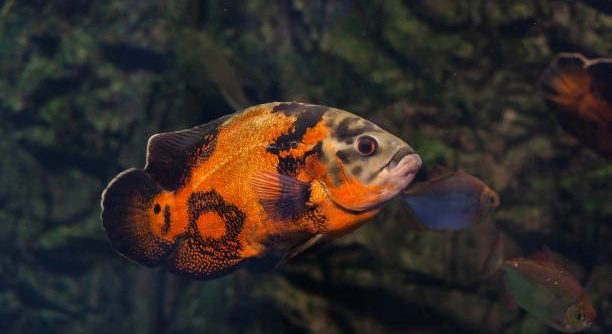
Oscar fish are fascinating creatures, but they can sometimes exhibit behaviors that signal aggression. Recognizing these signs early can help ensure a peaceful tank environment. Knowing how to identify these actions is key to maintaining a healthy aquarium.
Oscar fish display aggression through behaviors like flaring their gills, chasing tank mates, and rapid fin movements. These actions are often warning signs and may escalate into more serious conflicts if not addressed promptly.
Understanding their aggression signals can help you create a harmonious tank environment. Keeping a close watch on these behaviors will allow you to take the right steps to maintain peace.
Flaring Their Gills
One of the most common signs of aggression in Oscar fish is flaring their gills. This usually happens when they feel threatened or are establishing dominance in their territory. The gills puff out, and the fish may swim around erratically. This behavior is typically seen when an Oscar feels that its space is being invaded. It can be directed at other fish, objects, or even the tank’s reflection. It’s important to monitor this closely, as repeated flare-ups can lead to stress or physical damage to tank mates. A single flare may be a warning, but if it becomes frequent, it could indicate a serious issue.
Flaring their gills is a clear signal that the Oscar is upset. It’s best to observe and make changes in the tank setup if needed.
If you notice this behavior, try adjusting the tank’s layout. Adding more hiding spots or rearranging decorations can give each fish its own space, potentially reducing conflicts. Ensuring the Oscar fish is not sharing the tank with overly aggressive species can also help minimize these incidents. Consistent observation is key to understanding if this aggression is persistent or occasional.
Chasing Tank Mates
Another sign of aggression is when an Oscar starts chasing other fish. This often happens if they feel their space is being invaded or if they are protecting their territory. The chasing may start off as playful, but it can quickly escalate into more aggressive behavior. Oscars are territorial fish, and when they feel their boundaries are crossed, they will chase others to reinforce control over their environment. This behavior can be stressful for other fish, especially if the Oscar is larger and more dominant.
Chasing is a sign that the Oscar feels its space is being threatened. It’s important to monitor these interactions.
To reduce chasing, ensure that the Oscar is housed in a spacious tank where each fish can establish its own territory. Introducing tank mates that are similarly sized or less territorial can also help prevent these confrontations. By providing ample space and hiding spots, you can encourage a more peaceful coexistence between your Oscar and other fish. If the aggression continues, separating aggressive tank mates may be necessary to keep the environment stress-free for all.
Rapid Fin Movements
Oscar fish may display rapid fin movements when they are agitated or feel threatened. This quick, fluttering motion often accompanies other signs of aggression like gill flaring or chasing. The movement can be a signal to other fish that the Oscar is prepared to fight or defend its territory. It’s not always a precursor to physical harm but can lead to stress for other fish in the tank. Over time, these behaviors can negatively impact the overall health of the aquarium.
These movements are a sign of heightened stress or aggression. It’s important to take action if the behavior persists.
When you notice rapid fin movements, try to identify potential stressors in the tank. A sudden change in tank mates, water conditions, or environment can trigger this reaction. Try calming the tank environment by reducing noise, light, or other disruptions. Adding decorations or plants for hiding spots can also provide fish with a sense of security, reducing the likelihood of aggressive displays.
Biting or Nipping
Biting or nipping at other fish is a more aggressive action that Oscar fish sometimes engage in when they are upset or feel threatened. This behavior usually starts after signs like chasing or gill flaring. It’s often directed at smaller tank mates or those that come too close. While the bites are usually not deadly, they can lead to injuries or stress, particularly in smaller or weaker fish. It’s important to intervene before this escalates into more severe damage to other fish in the tank.
Biting is a serious sign that aggression has progressed. It’s crucial to prevent injury by managing the tank environment.
If you notice biting, consider isolating the Oscar from more vulnerable fish. Adding more hiding spots and increasing the size of the tank can help reduce territorial behavior. Some Oscars may also need time alone to cool off. Avoid overcrowding the tank to ensure each fish has enough space to feel safe. If the behavior continues, consulting an expert might be necessary to help address the aggression effectively.
Staring Intently at Tank Mates
Oscar fish sometimes engage in long, intense stares at their tank mates. This can be a sign of aggression, especially when they are fixating on another fish. The stare can make other fish feel uneasy and stressed. It often occurs when the Oscar is trying to assert dominance or mark its territory.
If this behavior continues, it can cause anxiety for the other fish. It’s best to monitor the situation closely.
If you notice the staring turning into other aggressive behaviors like chasing or biting, consider rearranging the tank. Providing hiding spots or even introducing new decorations can reduce this intense focus. Staring can escalate if the Oscar feels crowded, so always ensure ample space.
Aggressive Feeding Behavior
Oscars can show aggression during feeding time. When hungry, they may compete fiercely for food, aggressively swimming toward it and even pushing other fish aside. This behavior is more common when the Oscar feels that its food supply is being threatened. It’s important to feed them regularly and in appropriate amounts.
To reduce aggressive feeding behavior, feed your Oscar in a separate area of the tank.
By separating feeding areas, you can help prevent conflict over food. Additionally, ensure each fish has access to plenty of food to minimize competition. This will reduce stress and prevent aggression from building up during feeding.
FAQ
Why is my Oscar fish flaring its gills?
Flaring of the gills is a common sign of aggression or stress. When your Oscar feels threatened, whether from another fish or changes in its environment, it will puff out its gills to appear larger. This is often a warning to other fish to stay away. If it happens frequently, it’s important to assess the tank setup for potential stressors. Try adding more hiding spots or rearranging decorations to provide your Oscar with a sense of security. This behavior can also occur if the fish sees its reflection in the tank, so be mindful of that as well.
Is it normal for my Oscar to chase other fish?
Yes, chasing is a territorial behavior, especially common in Oscars. They are naturally territorial creatures and will chase smaller fish or newcomers to assert dominance over their space. However, if the chasing becomes relentless or aggressive, it may cause stress or injury to the other fish. To minimize this, consider adding more hiding places or moving more aggressive fish to a separate tank. In some cases, adding a larger tank may help reduce territorial disputes.
What does it mean when my Oscar is staring at other fish?
Staring can be a sign of aggression. Oscars may focus intently on other fish, particularly if they feel threatened or if they are asserting their dominance. This behavior may occur when they are trying to establish territory or show that they are in control. If the staring escalates into chasing or biting, it’s a sign to take action. To reduce this behavior, try rearranging the tank to disrupt established territories and provide more hiding spots for the fish.
How can I stop my Oscar from biting other fish?
Biting can be a sign of escalating aggression, and it typically follows behaviors like chasing or staring. If your Oscar starts biting, it’s best to address the root causes of its aggression. Ensuring the tank is spacious and that each fish has its own territory can help reduce conflicts. Avoid overcrowding the tank and provide plenty of hiding spots for smaller or less dominant fish. In more severe cases, separating particularly aggressive Oscars from the rest of the tank may be necessary.
What should I do if my Oscar is nipping at other fish?
Nipping is a more aggressive action than simple chasing and can result in injury to the other fish. This behavior is often linked to the Oscar feeling threatened or territorial. To address it, you should ensure that your Oscar has enough space to establish its territory and that tank mates are not perceived as competition. You can also increase the number of hiding spots and plant decorations in the tank. If nipping persists, separating the Oscar from smaller or weaker fish may be necessary to prevent harm.
How do I prevent Oscar aggression in my tank?
To prevent aggression, it’s essential to provide an environment that allows your Oscar to feel secure. This means offering ample space, decorations, and hiding places to allow all fish to establish their territories. Make sure you don’t overcrowd the tank, and ensure the Oscar’s tank mates are compatible with its temperament. Regular water changes and maintaining a clean environment can also reduce stress, which in turn may decrease aggressive behaviors. If you notice ongoing aggression, it may help to separate the more dominant fish from others to keep the peace.
What is the best tank setup for an Oscar fish?
The ideal tank for an Oscar is large, offering at least 55 gallons of space for a single fish. Oscars are active swimmers and require room to establish their territories. In addition to space, add plenty of hiding spots and decorations like plants, rocks, and caves. This setup provides opportunities for fish to retreat when they feel threatened, reducing stress and aggression. Also, consider the tank’s filtration system; Oscars produce a lot of waste, so a strong filter is essential to maintain water quality and prevent stress-related health issues.
Can Oscar fish live peacefully with other species?
Yes, Oscars can live with other species, but their aggression often limits the types of tank mates they can have. It’s best to pair them with large, similarly sized fish that can hold their own against the Oscar’s territorial behavior. Species like large cichlids, catfish, or other robust fish are generally good tank mates. Avoid keeping Oscars with small or timid fish, as they may become targets of aggression. If you’re unsure whether a specific species is compatible, research the temperament of both the Oscar and the potential tank mates.
How do I know if my Oscar is stressed?
Stress in Oscars can be observed through several behaviors. They may become more reclusive, stop eating, or display unusual swimming patterns. Aggressive behaviors like constant chasing, biting, or gill flaring are also signs of stress. Poor water quality, tank overcrowding, and sudden environmental changes can all contribute to stress. To reduce stress, maintain stable water conditions, ensure proper tank size, and provide enough hiding spaces. Regularly check for any signs of illness or injury, as stress can make your Oscar more susceptible to health issues.
What are the signs that an Oscar fish is not happy?
A unhappy Oscar may display a variety of signs, including refusal to eat, lethargy, or unusual swimming behavior. They may also become more aggressive toward tank mates or show signs of injury from fights. Additionally, a lack of interest in food or hiding constantly can indicate that the fish is not comfortable. Regularly monitor your Oscar for any signs of distress and make adjustments to its environment. Ensure it has enough space, proper water quality, and compatible tank mates to help keep it happy and healthy.
Final Thoughts
Oscar fish are fascinating creatures, but their aggressive behaviors can be a challenge for aquarium owners. Understanding the signs of aggression, like flaring gills, chasing, and rapid fin movements, is important for maintaining a peaceful tank. Oscars are territorial and may show aggression to establish dominance or protect their space. While aggression is a natural part of their behavior, recognizing the warning signs early can help prevent conflicts and injuries among tank mates. By making a few adjustments to the tank environment, you can help reduce stress and create a more harmonious atmosphere.
Managing Oscar aggression requires patience and attention to their needs. Ensuring your tank has plenty of space, hiding spots, and decorations will give the fish room to establish territories. It’s also important to choose compatible tank mates. Oscars may not get along with smaller or more passive fish, so selecting fish that are similarly sized and assertive will help minimize potential conflicts. If your Oscar displays continuous aggression, separating it from weaker or smaller fish can help prevent injuries. Consistent monitoring of water quality, tank conditions, and the fish’s behavior will also help ensure a healthy and peaceful aquarium.
In the end, Oscars can thrive in a well-maintained tank where their needs are met. While their aggressive nature is part of what makes them interesting, it can be managed with the right care and understanding. By providing ample space, proper filtration, and compatible tank mates, you can create a setting where your Oscar fish are happy and less likely to exhibit aggressive behaviors. With attention and proper setup, you can enjoy the beauty and personality of your Oscar without worrying about constant aggression.

Hello,
If you enjoy the content that we create, please consider saying a "Thank You!" by leaving a tip.
Every little bit helps us continue crafting quality advice that supports the health, happiness, and well-being of pets around the world, for pets of all shapes, sizes, and species.
We really appreciate the kindness and support that you show us!