
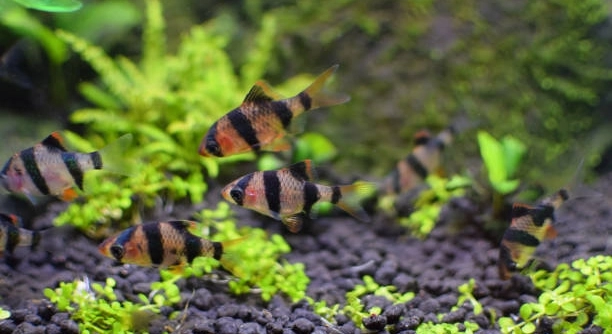
Are your barbs acting out, hiding, or not behaving the way you expected after bringing them home for the first time?
Many new barb owners struggle with understanding their needs, often due to common myths, improper tank setups, or misreading behavior. These mistakes can lead to stress, aggression, or health issues in the fish.
From tank size to social structure, learning what barbs actually need will help you avoid these early mistakes and build a healthier, happier aquarium.
Mistake 1: Choosing the Wrong Tank Size
Many new owners pick a tank that’s too small for their barbs. These fish are active swimmers and need space to move around comfortably. A small tank limits their movement, increases aggression, and affects water quality faster. Barbs are also social and do better in groups, which means more room is essential. A tank under 20 gallons can cause stress, leading to illness and behavioral problems. It’s important to match the tank size to the number and type of barbs you have. For example, tiger barbs need at least a 30-gallon tank when kept in a group of six or more.
Keeping barbs in a small tank not only makes them unhappy but also makes it harder to maintain stable water conditions.
A larger tank supports proper filtration and allows barbs to swim freely, which reduces stress and helps prevent aggression. This is one of the best ways to support their health long-term.
Mistake 2: Keeping Too Few Barbs
Barbs are schooling fish and prefer to be in groups of six or more. Keeping them in smaller numbers often leads to bullying.
When barbs don’t have enough companions, they may become aggressive, stressed, or withdrawn. This behavior is often misunderstood as a personality issue, but it usually comes from feeling unsafe. A proper school helps them feel secure, promotes natural behaviors, and spreads out any aggression within the group. It’s especially true for tiger barbs, who are known for their pecking order. In small numbers, one fish often becomes a target. In a larger group, aggression is more balanced and less harmful. If your tank size allows, aim for even more than six to improve group dynamics. You’ll notice more playful chasing rather than serious nipping. Watching a full group of barbs swim together peacefully is not only better for them but also more enjoyable to observe.
Mistake 3: Mixing Barbs With the Wrong Tank Mates
Barbs can be nippy and fast-moving, which makes them poor tank mates for slow or long-finned fish like angelfish or bettas. This often leads to stress and injuries in the more passive species.
When barbs are placed with fish that can’t keep up with their pace, they may start chasing or fin-nipping. This isn’t because they’re “mean,” but because their energy and behavior don’t match well with calm fish. It’s better to keep them with other active, semi-aggressive fish like danios, loaches, or larger tetras. Choosing similar-sized and similarly active tank mates helps reduce conflicts. A mismatched group creates unnecessary tension in the tank, even if the water conditions are ideal. If you’re unsure about compatibility, it’s safer to keep barbs in a species-only tank or with fish known to tolerate their energy levels.
Matching energy levels between fish makes a big difference in how peaceful the tank will be. Don’t just choose tank mates based on looks or size—behavior matters more. Watching your fish get along instead of constantly chasing or hiding makes the tank more relaxing for both you and the fish. It also helps reduce the chance of stress-related health issues in all the tank’s inhabitants.
Mistake 4: Ignoring Their Need for Structure
Barbs like open space to swim, but they also need areas to rest and hide. A bare tank can leave them feeling exposed and nervous, which leads to stress.
Adding plants, rocks, or driftwood helps break up the line of sight and reduces tension among the group. Even fake plants offer value by creating cover and making the tank feel more secure. Barbs don’t spend all their time in hiding, but they benefit from having places to retreat when needed. A well-decorated tank with balanced open space and structure helps promote natural movement. Group dynamics also improve when fish can break line-of-sight, which reduces bullying. You don’t have to overfill the tank—just a few well-placed decorations can make a noticeable difference. This also makes your tank look better without taking up too much swimming space. Balanced layout is key.
Mistake 5: Overfeeding or Feeding the Wrong Food
Barbs are active and always seem hungry, which makes it easy to overfeed them. Giving too much food causes water quality issues and can lead to bloating or illness.
Stick to small portions twice a day and remove any uneaten food within a few minutes to avoid buildup.
Mistake 6: Not Keeping the Water Conditions Stable
Barbs are hardy, but they still need consistent water parameters to stay healthy. Sudden changes in temperature, pH, or ammonia levels can cause stress or sickness. Use a good filter, do regular water changes, and test the water weekly. Avoid overcrowding, as it makes it harder to keep things stable. Clean the substrate gently to remove waste without disturbing beneficial bacteria. Barbs prefer slightly acidic to neutral pH and a steady temperature around 74–79°F. Stable water conditions support better color, energy, and overall behavior. Even though they can adapt to minor fluctuations, consistency makes a big difference in long-term health and lifespan.
Mistake 7: Not Observing Their Behavior Regularly
Watching your barbs daily helps you spot problems early, like aggression, illness, or odd swimming patterns. Small changes in behavior often point to larger issues in the tank.
How many barbs should I keep together?
Barbs are schooling fish and feel safest in groups. It’s best to keep at least six barbs together to encourage natural social behavior. Smaller groups often cause aggression and stress because they don’t have enough companions to spread out tension. Larger groups help balance the pecking order, reducing bullying and promoting more playful interactions.
What tank size is suitable for barbs?
A minimum of 30 gallons is recommended for a group of six or more barbs. They are active swimmers and need plenty of space to move. Smaller tanks limit their behavior and can lead to stress and health problems. More space also helps keep water conditions stable, which is important for their wellbeing.
Can barbs live with other fish?
Yes, but you need to choose tank mates carefully. Barbs can be nippy and fast, so avoid slow or long-finned fish like bettas or angelfish. Good companions include danios, loaches, and larger tetras, which have similar energy levels and can handle the barbs’ active nature.
What do barbs eat?
Barbs are omnivores and do well on a varied diet. High-quality flake or pellet food designed for tropical fish forms a good base. Supplement their diet with occasional live or frozen foods like bloodworms, brine shrimp, or daphnia. Fresh vegetables, such as blanched spinach or peas, can also be offered occasionally. Avoid overfeeding to prevent water quality issues.
How often should I change the water?
Regular water changes are essential for barb health. Aim for changing 20-30% of the tank water weekly. This helps remove waste and toxins that build up over time. Consistent water changes keep ammonia, nitrite, and nitrate levels low and prevent stress or disease.
Why do barbs nip fins?
Fin-nipping is a common behavior, especially in species like tiger barbs. It’s a natural way for them to establish hierarchy within their group. However, it can become a problem if the tank is too small or the group is too small. Providing enough space, hiding spots, and a large enough school can reduce this behavior.
What water parameters do barbs prefer?
Barbs thrive in slightly acidic to neutral water, with a pH between 6.0 and 7.5. Temperature should be steady between 74°F and 79°F. They are fairly tolerant but do best with stable water conditions. Regular testing helps catch any changes early.
How can I tell if my barbs are stressed?
Signs of stress include hiding more than usual, loss of color, clamped fins, erratic swimming, or loss of appetite. Stress often comes from poor water quality, overcrowding, or aggressive tank mates. Addressing these issues quickly improves their health.
Are barbs good beginner fish?
Barbs can be good for beginners if their needs are met. They require proper tank size, schooling groups, and stable water conditions. Their active nature and social behavior make them interesting to watch. However, understanding their care requirements is important to avoid common mistakes.
Can barbs live in a planted tank?
Yes, barbs enjoy planted tanks as plants provide hiding places and help improve water quality. Just be aware that some barbs, like tiger barbs, might nip at delicate plants. Choosing hardy plant species and providing enough cover balances their active nature with a natural environment.
How long do barbs live?
With proper care, barbs can live between 4 to 6 years on average. Good diet, clean water, and a stress-free environment contribute to a longer, healthier life. Regular observation and maintenance support their wellbeing over time.
What should I do if one barb is being bullied?
If you notice one fish being picked on, check the group size and tank conditions first. Adding more barbs can spread aggression more evenly. Provide hiding spots to give the bullied fish a retreat. In severe cases, separating the victim temporarily might be necessary until the group dynamics improve.
Is it okay to keep different barb species together?
Some barb species can live together if their temperaments and size match well. However, mixing overly aggressive species with peaceful ones is not recommended. Research each species’ behavior before combining them to avoid conflicts and stress.
How important is filtration for barb tanks?
Filtration is very important because barbs produce waste that can quickly affect water quality. A good filter helps remove toxins and keeps water clean and oxygenated. It also supports beneficial bacteria that break down harmful substances, creating a healthier environment.
Do barbs need special lighting?
Barbs do not require special lighting, but moderate lighting helps plants grow and shows off their colors. Avoid very bright light that might stress them. A regular day-night cycle promotes natural behavior and supports tank balance.
Can barbs jump out of the tank?
Yes, barbs are active and may jump if startled or if the tank is too small. Always use a secure lid to prevent escapes and keep them safe. Providing enough space and hiding spots reduces jumping behavior.
How do I introduce new barbs to my tank?
Introduce new barbs slowly by floating the bag in the tank to equalize temperature, then gradually mix tank water into the bag. After about 30 minutes, release them gently. Watch for signs of stress or aggression during the first days. Keeping them in quarantine first can prevent disease spread.
Barbs are lively and interesting fish that can bring energy and color to any aquarium. However, they do require some specific care to thrive. Many new owners make mistakes that cause stress or health problems for their barbs, but these can be avoided with a little knowledge. Choosing the right tank size, keeping enough barbs together, and providing the proper environment are all important steps. Barbs need space to swim and places to hide, and their water conditions should be stable and clean. Understanding these basics will help your fish live longer and be healthier.
It’s also important to pay attention to how your barbs behave. Regular observation can help you catch problems early, whether it’s signs of illness, aggression, or stress. Watching your fish daily lets you notice small changes that might need attention. Feeding them properly without overdoing it and picking the right tank mates are other key parts of good care. Avoiding common mistakes like overfeeding, mixing incompatible species, or ignoring water quality helps create a balanced and peaceful tank. With the right care, barbs can be a joy to watch and a rewarding part of your home.
Keeping barbs successfully takes some effort but is very rewarding. By learning their needs and paying attention to their behavior, you can avoid common pitfalls. A well-maintained tank with the right setup will allow your barbs to show their natural colors and behaviors. These fish are active and social, and when their environment supports that, they thrive. With patience and care, barbs can be a vibrant, lively addition to your aquarium for years to come. Taking the time to understand and meet their needs makes all the difference in their health and happiness.

Hello,
If you enjoy the content that we create, please consider saying a "Thank You!" by leaving a tip.
Every little bit helps us continue crafting quality advice that supports the health, happiness, and well-being of pets around the world, for pets of all shapes, sizes, and species.
We really appreciate the kindness and support that you show us!