
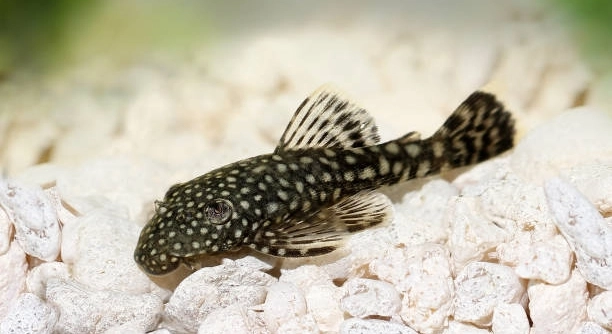
Plecos are a popular fish choice for many aquarium enthusiasts, but new owners may not be fully aware of the challenges they bring. Their care requires some attention to detail and a bit of patience to thrive.
Plecos are often considered low-maintenance fish, but their needs can be more complex than many owners anticipate. They require a properly maintained tank, specific diet, and sometimes more space than expected, which can surprise new owners.
New pleco owners may not realize how much space and care these fish need. Keeping your pleco healthy requires a better understanding of their environment and feeding habits. Understanding these factors will ensure your pleco thrives in your aquarium.
Plecos Need Space to Thrive
Plecos can grow quite large, and many new owners don’t realize just how much space these fish need. They’re not a good fit for tiny tanks. While young plecos may seem manageable, they can eventually reach lengths of 12-24 inches, depending on the species. As they grow, their habitat should expand accordingly. If you don’t provide enough room, it can lead to stress and health problems for your pleco. It’s essential to plan for the future when setting up your aquarium, ensuring it can accommodate your pleco’s adult size comfortably. A tank of at least 50 gallons is often recommended for larger plecos, though smaller species can manage with less space.
New pleco owners may also not consider the height of the tank. These fish like to swim and explore, so a tank with sufficient vertical space is important. Ensuring the water is deep enough for them to move freely helps them feel secure.
Providing enough space not only keeps your pleco comfortable but also maintains good water quality. Overcrowding your tank can cause harmful buildups of waste, leading to potential issues like poor water parameters. This can harm both your pleco and other fish in the tank. Regular cleaning and maintenance of the water are crucial in preventing these problems. By setting up a spacious tank from the start, you help ensure a long, healthy life for your pleco.
Plecos Need Special Diets
Unlike many other fish, plecos don’t just eat fish flakes. They’re primarily herbivores but also need protein in their diet. Providing a balanced mix of algae wafers, vegetables, and occasional protein helps support their health. Many owners overlook this and assume plecos will thrive on standard fish food, but this isn’t the case. Without a proper diet, they can become malnourished or even develop health issues over time.
Plecos also enjoy fresh veggies like zucchini, spinach, and cucumber. Offering them variety helps keep them healthy and satisfied. However, these vegetables should be properly prepared to make them easy to eat. It’s also important to monitor your pleco’s eating habits to avoid overfeeding.
Feeding them the right food at the right time is key to preventing issues like constipation or obesity. You should offer vegetables at least a few times a week, along with algae wafers. If your pleco isn’t eating much, it might be a sign that something is wrong with the water quality or the food you’re providing. Keeping a consistent feeding schedule and observing your pleco’s eating habits will ensure it gets all the nutrients it needs.
Plecos Can Be Messy
Plecos are often praised for their ability to help clean tanks, but they still produce a significant amount of waste. Their large size means they need more food, which in turn leads to more waste. Without regular maintenance, this can quickly lead to poor water quality. This is especially true if the tank is overcrowded or if the filtration system isn’t strong enough to handle the waste load.
While plecos will eat algae, they don’t eliminate all the debris in the tank. Their waste can pollute the water, affecting your pleco and other fish. It’s important to clean the tank and change the water frequently. A good filtration system and regular cleaning are necessary to maintain a healthy environment for your pleco.
In addition to cleaning, you should also monitor the water parameters, especially ammonia and nitrate levels. Plecos are sensitive to poor water conditions, and if these levels get too high, it could cause health issues. By keeping up with regular tank maintenance, you ensure your pleco has a safe and clean space to live in.
Plecos Need Hiding Spots
Plecos are shy fish that often need places to hide in the tank. They feel safer when they have somewhere to retreat if they get stressed. This is particularly true for species that like to hide during the day and become more active at night. Having rocks, caves, or driftwood in the tank gives your pleco these necessary hiding spots. Without them, plecos can become stressed and may refuse to eat or act out in unusual ways.
These hiding spots also allow plecos to rest or seek shelter from more dominant fish. Plecos are peaceful but will avoid more aggressive fish if they have the chance to retreat. Providing these hideouts can help reduce stress and create a more balanced tank environment for all species.
Creating a proper environment with hiding spaces doesn’t just benefit your pleco; it can also support the overall tank community. By keeping the tank diverse in terms of structure, you’ll encourage more natural behaviors in all fish, leading to a healthier and more peaceful aquarium.
Plecos Can Be Nocturnal
Plecos are typically more active at night than during the day. This means you might not see them as much during the daytime hours, which can be surprising for new owners expecting their fish to be active all the time. They spend their nights grazing and exploring.
While they may appear inactive during the day, they are often busy at night, especially when it comes to eating and cleaning. Don’t worry if your pleco isn’t swimming around when the lights are on; this is just their natural behavior. They prefer the cover of darkness for comfort.
If you want to observe their nocturnal behavior more closely, you may need to install a dim light or use a nighttime filter to reduce tank glare. This allows your pleco to feel more at ease and might encourage them to be a little more visible.
Plecos May Be Territorial
Plecos can be territorial, especially as they grow larger. This behavior can become more evident in crowded tanks or when multiple plecos are kept together. They may fight over hiding spots or even other fish. This is why giving your pleco enough space is essential.
It’s best to keep plecos in a tank where they won’t feel threatened by other fish. They are peaceful but can become aggressive if they feel crowded or stressed. Adding more hiding spaces or dividing the tank into zones can help reduce territorial disputes.
Properly spacing your pleco and monitoring their interactions with tankmates is key to maintaining a peaceful aquarium. If you notice signs of aggression, consider separating the fish to prevent harm.
FAQ
How often should I feed my pleco?
Plecos typically require feeding once a day, though the amount and frequency depend on their size and the food provided. For smaller plecos, a single algae wafer or small portion of vegetables is sufficient. Larger plecos may need more food. It’s important not to overfeed, as uneaten food can deteriorate water quality. You can also provide them with vegetables like zucchini, spinach, or cucumber a few times a week. Monitor their eating habits to avoid waste buildup, as this can cause water contamination. If you notice leftover food, cut back on feeding.
Can plecos live with other fish?
Yes, plecos can live with other fish, but you need to choose compatible species. They are peaceful by nature but can be territorial, especially as they grow. Avoid placing them with aggressive or overly active fish. Smaller fish that won’t compete for space or food are best. Plecos may sometimes nip at smaller tankmates, but this is generally rare. If you keep multiple plecos in the same tank, ensure there are plenty of hiding spots to reduce territorial conflicts. Monitoring interactions regularly is key to a peaceful aquarium.
What size tank does a pleco need?
The tank size required for a pleco depends on the species. While smaller plecos might thrive in tanks as small as 30 gallons, larger varieties need much more space. For larger plecos, a 50-gallon tank or bigger is recommended. As they grow, they need more space to swim and explore. Without enough room, they may become stressed and unhealthy. Overcrowding can also lead to poor water conditions, which can harm your pleco. When setting up a tank for a pleco, always plan for their adult size and ensure the tank size is appropriate.
Do plecos need a heater?
Yes, plecos generally require a stable water temperature between 72°F and 82°F (22°C to 28°C), which may require a heater, especially if you live in a colder climate. Make sure the tank has a reliable heater and a thermometer to monitor the temperature. Plecos are tropical fish, and sudden temperature fluctuations can cause stress, leading to health problems. If your tank is in a room with fluctuating temperatures, a heater will help maintain a consistent environment for your pleco. Always check that the heater is set to the correct temperature.
Why is my pleco staying hidden all the time?
It’s normal for plecos to hide during the day, especially if they are newly introduced to the tank or are feeling stressed. They are nocturnal and feel safer at night when the lights are off. However, if your pleco stays hidden for an extended period during the day, it could indicate stress from water conditions, overcrowding, or bullying from other tankmates. Ensure the water quality is optimal and that there are enough hiding spots in the tank. You can also try reducing tank stress by lowering the light intensity and providing more space.
Can plecos live in cold water?
Most plecos are tropical fish and need warm water to thrive. While some species, like the bristlenose pleco, may tolerate cooler temperatures for short periods, they still prefer water temperatures between 72°F and 82°F. Cold water can lead to sluggish behavior, lower immune function, and even death. If you are keeping plecos in a cold-water tank, you may need to add a heater to maintain the proper temperature range for their health. Always monitor the water temperature regularly to ensure your pleco remains comfortable.
How can I tell if my pleco is sick?
A sick pleco may show several signs. If your pleco is staying hidden more than usual, has lost its appetite, or is swimming erratically, these could be indicators of illness. You may also notice abnormal behavior like scratching against objects, which could indicate skin issues or parasites. Check for any unusual spots or discoloration on their body. If your pleco is bloated, it could be suffering from constipation or internal parasites. Testing the water quality and addressing any issues quickly can help prevent further health problems.
What do I do if my pleco is not eating?
If your pleco is not eating, it could be due to poor water quality, stress, or an issue with the food. First, test the water parameters, including ammonia, nitrite, nitrate, and pH levels. If they are off, adjust them immediately. Stress from tankmates or insufficient hiding spots may also cause a lack of appetite. Make sure you’re offering appropriate food, such as algae wafers, vegetables, or sinking pellets. If the problem persists for more than a few days, consider consulting a vet to rule out any underlying health conditions.
Are plecos sensitive to water changes?
Yes, plecos can be sensitive to sudden changes in water conditions, especially when it comes to water temperature or pH. Large or rapid water changes can stress them out. It’s best to change the water gradually to avoid shocking your pleco. Always ensure that new water is properly conditioned and matches the temperature and pH levels of the tank. Performing regular small water changes is better than one large change. It’s important to keep the water clean without causing sudden shifts that could harm your pleco.
Do plecos help clean the tank?
While plecos do eat algae, they should not be relied upon to completely clean a tank. They will consume some algae, but not all of it, and their waste can actually contribute to the dirtiness of the tank. Plecos are more efficient at cleaning up surfaces and will graze on the walls of the tank and decorations. However, you still need to regularly clean the tank and filter to maintain water quality. Plecos should be part of an overall tank maintenance routine, not the sole cleaning method.
Final Thoughts
Taking care of a pleco can be a rewarding experience, but it’s important to remember that they have specific needs that must be met to thrive. They are not as low-maintenance as some might think. From providing enough space to maintaining good water quality, plecos require attention and care to stay healthy. Understanding their diet, behavior, and environmental needs is essential for ensuring their well-being in your aquarium.
While plecos can help keep your tank clean by eating algae, they should not be relied on solely for this purpose. They still produce a lot of waste, which means regular cleaning and water changes are necessary. If you provide the proper care, your pleco can live a long and healthy life. It’s also important to monitor their health regularly, as they can sometimes show signs of stress or illness, such as loss of appetite or unusual behavior. Being proactive and keeping an eye on their condition can prevent many issues.
In the end, plecos can be great additions to an aquarium, as long as their specific needs are understood and met. It’s crucial to offer them a spacious, clean tank with plenty of hiding spots and a varied diet. Once you know what they require, it becomes easier to care for them. By staying informed and paying attention to their health, you’ll be able to enjoy the company of your pleco for many years to come.

Hello,
If you enjoy the content that we create, please consider saying a "Thank You!" by leaving a tip.
Every little bit helps us continue crafting quality advice that supports the health, happiness, and well-being of pets around the world, for pets of all shapes, sizes, and species.
We really appreciate the kindness and support that you show us!