
Are your discus fish acting shy, losing color, or not eating as expected? You’re not alone—many new owners feel confused.
New discus owners often struggle with water quality, feeding routines, tank mates, and stress-related behavior. Without understanding these key aspects, many unknowingly create poor conditions that affect discus health, growth, and overall behavior.
Knowing these things early can help prevent problems and make your discus-keeping experience smoother and more rewarding in the long run.
Discus Need More Than Just Clean Water
Discus fish are highly sensitive and require more than basic filtration to thrive. Many beginners focus on clean water but overlook stability. These fish need soft, acidic water with low nitrates and minimal fluctuations in temperature and pH. Frequent testing and consistent maintenance are essential. Weekly water changes of at least 30–50% are often necessary, especially in heavily stocked tanks. Reverse osmosis (RO) water is often used to create ideal conditions, but it needs to be remineralized properly. Tap water can work if it’s soft enough, but monitoring hardness is key. Discus are also easily stressed by large shifts in water parameters, so any adjustments must be made gradually. A stable heater, good aeration, and reliable filtration all contribute to the health of your fish. Without these, discus may refuse food, lose color, or become susceptible to illness. Stability and consistency are more important than just “clean” water.
Make sure water parameters match the needs of the fish before adding them to your tank.
Testing and monitoring pH, hardness, and nitrate levels can seem tiring at first, but it becomes a regular habit over time. The more consistent your water conditions, the more relaxed and healthy your discus will be. Avoid using random treatments or adjusting parameters without a clear reason. Even products marketed for discus can cause stress if misused. Keep your methods simple and repeatable, and only make changes when truly needed. This will help your discus feel secure and allow them to show their natural colors and behavior. With time, you’ll notice the difference stable conditions make. Healthy discus are active, alert, and social when their environment is calm and well-managed.
Feeding Discus Is Not Like Feeding Other Fish
Discus need a high-protein diet with variety, not just flakes or pellets.
Many new owners mistakenly rely on general fish food, thinking it’s enough. However, discus need protein-rich meals to maintain color, growth, and energy. Beef heart mixes, frozen bloodworms, brine shrimp, and high-quality discus pellets are good options. Feeding should be done multiple times a day in smaller portions, especially for juveniles. Overfeeding can quickly foul the water, so uneaten food should be removed promptly. Some discus are picky eaters and may take time to adjust to new foods. During this time, it’s important to avoid switching foods too frequently. Instead, be patient and stick to a feeding schedule. Supplements like vitamins or garlic extract can also be added occasionally for extra nutrition and immune support. Avoid oily or fatty foods, as they pollute the water and offer little nutritional value. A thoughtful feeding routine supports growth and strengthens the immune system. Proper diet makes a noticeable difference in how your discus behave and look.
Discus Are Easily Stressed by Tank Mates
Discus are peaceful and do best with calm, non-aggressive fish. Fast or nippy tank mates can stress them out quickly.
Tetras, corydoras, and certain dwarf cichlids can work well in a discus tank, but not every community fish is a good match. Avoid species that dart around constantly or chase others, as this behavior unsettles discus and may keep them from eating. Even fish that seem harmless can cause stress by competing too aggressively for food. Discus also don’t like being startled, so avoid placing them with fish that move erratically or crowd their space. While schooling fish offer movement and interest, they should be small, slow, and calm. Always observe new additions carefully to ensure they’re not causing stress. Compatibility is not just about aggression—it’s about pace, space, and behavior. A calm tank environment helps discus feel secure and encourages natural interaction among the group.
Some owners even choose to keep discus in species-only tanks for more control and stability. This allows for better feeding routines and focused water quality management. However, if adding other fish, introduce them slowly and only after quarantine. Quarantining is especially important because discus are more vulnerable to external parasites or bacteria than many other species. A separate tank for observation reduces the risk of spreading disease. Once added, monitor interactions carefully. Stress from incompatible tank mates often shows through hiding, dark coloration, or refusal to eat. If any of these signs appear, removing the new fish may be necessary. Creating a peaceful tank isn’t just for aesthetics—it directly affects the health and behavior of your discus.
Warm Water Is Not Optional
Discus fish thrive in consistently warm water, typically between 82–86°F, and lower temperatures will affect their health.
Cooler water slows their metabolism, weakens their immune system, and reduces appetite. Many community tanks run at lower temperatures, which is another reason discus don’t thrive in general setups. Always use a reliable, adjustable heater and thermometer. Temperature should remain steady—fluctuations of just a few degrees can stress discus and lead to illness. Avoid placing the tank near windows or vents where drafts or sunlight can impact temperature control. Consider using two smaller heaters for large tanks to maintain balance and provide backup if one fails. If performing water changes, ensure the new water is preheated to avoid shocking your fish. A consistent, warm environment keeps your discus active and supports digestion, color, and energy. Skipping this step can result in sluggish behavior, infections, and even early death. Temperature is one of the easiest yet most overlooked ways to support discus health.
Some owners try to compromise by keeping the tank at around 78°F to suit other species, but discus won’t thrive at this range. Instead, it’s better to adapt the tank to discus needs or choose species that can tolerate higher heat. Temperature stress may not show immediate symptoms, but it takes a toll over time. Chronic cold exposure leads to stunted growth, poor resistance to disease, and reduced breeding potential. Regularly check temperature throughout the day, especially during seasonal changes. Even a functioning heater can struggle to maintain the right range if room temperatures drop too low. Keeping a steady 84°F, for example, helps discus feel comfortable, promotes healthy behavior, and reduces overall stress in the tank.
Discus Need Time to Settle In
New discus often stop eating or hide during their first few days. This is normal and usually caused by stress from transport or a new environment.
Avoid turning tank lights on too brightly during the first few days. Let them adjust gradually with soft lighting and minimal noise.
Water Changes Are Not Optional
Discus need regular water changes to stay healthy. Clean-looking water can still contain dissolved waste and harmful compounds. Weekly changes of 30–50% help reduce nitrate buildup and keep water parameters stable. For younger discus, more frequent water changes—sometimes daily—support faster growth and stronger immune systems. Always match the new water’s temperature and pH closely to avoid stress. Use a gravel vacuum to remove uneaten food and waste, especially after feeding. Skipping water changes can lead to disease, poor coloration, and reduced appetite. Clean water is one of the most important factors in long-term discus care and makes a clear difference in their behavior and health.
Discus Behavior Reflects Their Health
If your discus are hiding, turning dark, or not eating, something may be off in their environment. These behaviors often signal stress or illness.
FAQ
How often should I feed my discus?
Adult discus should be fed 2–3 times daily, while juveniles need 3–5 smaller meals a day. Each feeding should include only what they can eat in a few minutes to avoid leftover waste. Overfeeding pollutes the water and causes stress. Varying their diet keeps them healthy and interested in food.
What is the best temperature for discus fish?
Discus thrive in warm water between 82–86°F. Consistency is key—avoid letting temperatures drop or fluctuate. Use a reliable heater and thermometer. Always match water temperature during water changes. Cold water can weaken their immune system, lower activity levels, and make them more prone to infections and stress.
Can I keep discus in a planted tank?
Yes, but it takes extra care. Choose plants that tolerate higher temperatures, like Amazon swords, java fern, and anubias. Use a strong filter and clean substrate regularly. Discus do better in low to moderate lighting, which also helps reduce algae growth. Planted tanks look beautiful but require more maintenance.
Why are my discus turning dark or hiding?
Dark coloration, hiding, or refusing food are often signs of stress. Common causes include poor water quality, sudden changes in parameters, unsuitable tank mates, or illness. Check water conditions first, including ammonia, nitrite, nitrate, pH, and temperature. Make gradual changes and avoid disturbing the tank environment too much.
Can I use tap water for discus?
Tap water can be used if it matches the needs of discus. It should be soft to moderately hard with a slightly acidic to neutral pH. Always dechlorinate it and test for pH, KH, GH, and nitrates. Some areas have water too hard or alkaline, requiring treatment or reverse osmosis systems.
Do I need a quarantine tank?
Yes, especially when introducing new fish. A quarantine tank helps prevent the spread of disease or parasites. Keep new fish isolated for 2–4 weeks and monitor behavior, appetite, and appearance. Treat any visible issues before adding them to the main tank. This extra step protects your established discus community.
What is the ideal tank size for discus?
A minimum of 55 gallons is recommended for a small group, but larger is better. Discus prefer to be in groups of at least five to feel secure, and they grow quite large—up to 6 inches. Overcrowding causes stress and water quality problems, so plan space carefully before buying.
Why is my discus not eating?
New discus often stop eating due to stress. Give them time to settle in, keep the tank quiet, and reduce lighting. Check water parameters and try offering live or frozen foods like bloodworms or brine shrimp. If they continue refusing food, illness or poor water quality may be the cause.
Can I keep discus with angelfish?
It’s possible, but not ideal. Angelfish can be aggressive or outcompete discus for food. They also tolerate cooler water, while discus need higher temperatures. If housed together, choose calm angelfish and keep a close eye on behavior. Monitor water parameters closely and ensure all fish are getting enough to eat.
How do I keep my discus healthy long-term?
Focus on stable water conditions, a varied diet, appropriate tank mates, and regular water changes. Avoid overfeeding, overcrowding, and sudden changes in lighting or temperature. Observe your discus daily for any behavioral or color changes. Consistency and attention to detail are the foundation of long-term discus health.
Final Thoughts
Keeping discus fish can be challenging at first, especially for beginners. They need specific water conditions, a stable environment, and careful attention to diet and behavior. Many new owners don’t realize how different discus care is compared to other tropical fish. Mistakes like poor water quality, cold temperatures, or unsuitable tank mates can quickly lead to stress and illness. It’s not about being perfect from the start—it’s about learning what these fish truly need and adjusting your approach to meet those needs. With time, observation, and regular maintenance, discus keeping becomes more manageable and enjoyable.
One of the most important things to remember is that discus are sensitive. They respond to even small changes in their environment, so it’s essential to stay consistent. Frequent water testing, stable temperatures, and proper feeding habits go a long way in supporting their health. Giving them time to adjust, especially when newly added to the tank, is also crucial. Watching their behavior each day helps you catch problems early. If they stop eating, start hiding, or show dark colors, it’s usually a sign that something in the tank needs attention. Being patient and making slow, steady improvements will keep your discus calm and healthy.
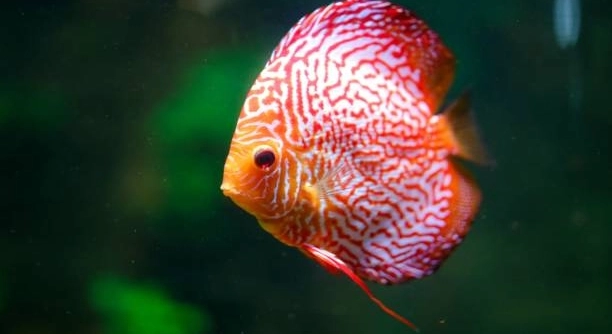
Discus fish are often described as graceful and peaceful, and when they’re comfortable, they bring calm beauty to any aquarium. Once their needs are met, they display vibrant colors, glide smoothly through the water, and interact naturally with one another. This kind of behavior is a clear sign that they’re thriving. It takes effort and commitment to create this environment, but the reward is a healthy and active discus tank. Whether you’re just starting or already have some experience, always stay informed and stay observant. Small actions, done regularly, make the biggest difference in long-term discus care.

Hello,
If you enjoy the content that we create, please consider saying a "Thank You!" by leaving a tip.
Every little bit helps us continue crafting quality advice that supports the health, happiness, and well-being of pets around the world, for pets of all shapes, sizes, and species.
We really appreciate the kindness and support that you show us!