
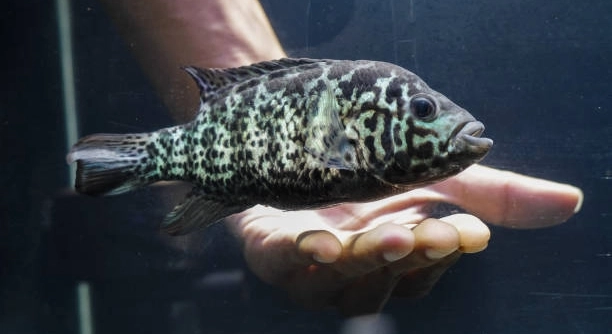
Jack Dempsey fish are striking and energetic pets that bring life to any aquarium. Caring for them properly ensures they stay healthy and display their full colors. Many owners enjoy watching them grow and interact in their tanks.
To keep Jack Dempsey fish healthy, it is essential to maintain clean water, provide a balanced diet, monitor tank temperature, ensure adequate space, offer hiding spots, prevent overcrowding, and observe behavior for early signs of stress or illness.
Understanding these basic needs can make caring for your fish simpler and more effective. Proper attention will help them thrive in your home aquarium.
Clean and Stable Water
Jack Dempsey fish are very sensitive to water conditions. Keeping their tank clean is essential for their health and growth. Regular water changes help remove waste and prevent harmful chemical buildup. Using a good filter ensures water stays clear and oxygenated. Testing water for pH, ammonia, nitrites, and nitrates is necessary. Jack Dempseys prefer slightly acidic to neutral water with stable parameters. Avoid sudden temperature changes, as they stress the fish and can lead to illness. Removing uneaten food promptly also keeps water quality high. Adding live plants or decorations can help maintain a natural environment and reduce toxins. Regular maintenance makes the tank safer and more comfortable for your fish. Observing water clarity and fish behavior daily helps catch potential problems early. Consistency in water quality is one of the most important factors in keeping Jack Dempsey fish healthy and active. Proper care leads to vibrant colors and strong immune systems.
Keeping water clean helps your fish stay lively and resist disease, creating a stable and safe environment for growth.
Maintaining clean water is not just about aesthetics. Poor water conditions can cause stress, weaken immunity, and lead to diseases like fin rot or dropsy. Jack Dempsey fish are particularly sensitive to ammonia and nitrite spikes. Even small imbalances in pH or hardness can affect their appetite and behavior. Using a quality filtration system combined with regular partial water changes is the best approach. It’s also helpful to acclimate new fish slowly to the tank to avoid shocking them. Observing your fish for changes in activity or coloration can indicate water issues before they become serious. A balanced ecosystem, including live plants and substrate maintenance, naturally supports water quality. Consistency is key; sudden shifts in temperature or chemical levels can be more harmful than gradual imperfections. Over time, careful water management ensures your Jack Dempseys thrive, showing off their full color and natural behavior while living longer in a stress-free environment.
Balanced and Varied Diet
Feeding Jack Dempsey fish a balanced diet is essential for strong health and bright colors. Include high-quality pellets, live or frozen foods, and occasional vegetables to meet all nutritional needs.
A proper diet strengthens the immune system and supports natural growth and activity levels.
Jack Dempseys are omnivores, so variety in their diet prevents nutrient deficiencies. High-protein foods like bloodworms, brine shrimp, and small insects promote muscle development, while pellets provide essential vitamins and minerals. Vegetables like peas or spinach can aid digestion and provide fiber. Avoid overfeeding, as excess food pollutes the tank and can lead to obesity. Feeding smaller portions multiple times a day works better than one large meal. Observing how your fish respond to different foods helps identify preferences and ensures they are eating well. Supplements like vitamin-enriched pellets can be used occasionally, especially if your fish show dull colors or slow growth. Maintaining a balanced diet is key to their overall health, behavior, and vibrant appearance. Consistent feeding routines reduce stress and encourage natural activity within the aquarium.
Proper Tank Size
Jack Dempsey fish need enough space to swim freely and establish territories. A small tank can cause stress, aggression, and stunted growth.
A tank of at least 55 gallons is recommended for one adult Jack Dempsey. If keeping multiple fish, a larger tank is essential to prevent overcrowding and reduce fighting. They are active swimmers, so horizontal swimming space is more important than height. Providing adequate space also helps maintain water quality, as waste is dispersed over a larger volume. Decorations and hiding spots should not crowd the tank; leaving open swimming areas is key. Proper tank size ensures healthier fish, less stress, and more natural behavior patterns.
Even in a large tank, monitoring behavior is important. Jack Dempseys may still show aggression if territories are too close or if tank mates are not compatible. Observing interactions helps prevent injuries and ensures a peaceful environment.
Hiding Spots and Decorations
Jack Dempsey fish need places to hide to feel secure, especially during aggression or stress. Rocks, caves, and plants provide these spots effectively.
Providing hiding spots reduces stress, encourages natural behavior, and helps weaker fish avoid conflicts.
Creating a balanced tank layout is essential. Use sturdy rocks or driftwood to build caves where fish can retreat. Live or artificial plants give cover and break sightlines, minimizing aggressive encounters. Avoid overcrowding with decorations; too many obstacles can restrict swimming space. Positioning hides strategically across the tank allows multiple fish to claim personal areas without constant conflict. Hiding spots also offer a resting area for shy or newly introduced fish. Observing how your Jack Dempseys interact with decorations helps adjust placement for optimal comfort. A well-arranged tank reduces stress, supports natural instincts, and contributes to overall health.
Stable Temperature
Jack Dempsey fish need consistent water temperature to stay healthy. Sudden changes can stress them and make them vulnerable to disease.
A stable range of 74–80°F is ideal. Using a reliable heater and thermometer ensures the water stays within this range. Avoid placing the tank near windows or drafts.
Monitoring Behavior
Watching your Jack Dempsey’s behavior can reveal early signs of illness or stress. Lethargy, loss of appetite, or unusual swimming patterns indicate problems.
Regular observation helps detect aggression, stress, or disease before it becomes serious. Noticing small changes allows quick action to maintain a healthy environment. Tank mates and environmental changes should be considered when evaluating behavior.
Preventing Overcrowding
Overcrowding in the tank leads to stress, poor water quality, and increased aggression among Jack Dempsey fish. Maintaining proper stocking levels is essential.
Keeping fewer fish than the maximum recommended prevents fights and reduces ammonia buildup. Each fish should have enough space to swim and establish its territory comfortably.
FAQ
How often should I change the water for my Jack Dempsey fish?
Regular water changes are essential to keep your tank clean and your fish healthy. A good rule of thumb is to change 25–30% of the water every two weeks. For heavily stocked tanks or if you notice waste accumulation, weekly partial changes may be necessary. Always use dechlorinated water and try to match the temperature to avoid shocking the fish. Monitoring water parameters regularly helps you adjust the schedule as needed. Consistent water changes reduce stress, prevent disease, and keep your fish active.
What is the best diet for Jack Dempsey fish?
Jack Dempseys are omnivores and need a varied diet. High-quality pellets form the base, supplemented with live or frozen foods like bloodworms, brine shrimp, or small insects. Vegetables like peas or spinach can improve digestion. Feed smaller portions 1–2 times daily rather than one large meal. Avoid overfeeding to prevent water pollution and obesity. Observing how your fish respond to different foods helps ensure they get proper nutrition. A balanced diet supports growth, vibrant color, and strong immune health.
Can Jack Dempsey fish live with other species?
Jack Dempseys are aggressive and territorial, especially as they grow. They can coexist with other large, similarly tempered fish, but smaller or passive species may be harassed. Providing hiding spots and enough space reduces conflicts. Monitoring behavior when introducing new tank mates is crucial to prevent injuries or stress. Avoid overcrowding and incompatible species to maintain a peaceful environment.
How do I know if my Jack Dempsey is stressed?
Signs of stress include hiding excessively, losing appetite, swimming erratically, or displaying dull colors. Stress can be caused by poor water quality, overcrowding, sudden temperature changes, or aggressive tank mates. Addressing these issues quickly can prevent illness. Observing behavior daily helps detect problems early.
What tank decorations work best for Jack Dempsey fish?
Sturdy rocks, driftwood, and caves are ideal for hiding spots and territorial boundaries. Live or artificial plants provide cover and break lines of sight, reducing aggression. Avoid sharp decorations that could injure your fish. Distribute hiding spots across the tank so all fish have access, creating a safer and less stressful environment.
How can I prevent disease in my Jack Dempsey fish?
Maintaining clean water, stable temperature, and a balanced diet is key. Quarantine new fish before introducing them to your tank. Avoid overcrowding and monitor for signs of illness like clamped fins, white spots, or unusual swimming. Prompt treatment of problems prevents spread and ensures long-term health.
Is it necessary to test the water regularly?
Yes. Monitoring pH, ammonia, nitrites, and nitrates keeps conditions safe for your fish. Jack Dempseys thrive in slightly acidic to neutral water. Regular testing helps you catch changes early and maintain a stable environment. Kits are affordable and easy to use, providing peace of mind.
How large should a tank be for a single Jack Dempsey fish?
A minimum of 55 gallons is recommended for one adult. Larger tanks are required for multiple fish to reduce aggression and provide enough swimming space. Proper tank size supports growth, natural behavior, and overall well-being. Smaller tanks increase stress and risk of disease.
What is the ideal water temperature for Jack Dempsey fish?
Keep the temperature between 74–80°F. Use a reliable heater and thermometer to maintain stability. Sudden changes can cause stress and weaken the immune system. Avoid placing the tank near vents, windows, or cold drafts. Stable temperatures encourage natural activity and feeding.
How can I manage aggression between Jack Dempsey fish?
Provide ample space, hiding spots, and territorial boundaries. Monitor interactions closely and separate fish if injuries occur. Avoid overcrowding and incompatible tank mates. Gradually introducing new fish helps reduce initial conflicts. Creating a structured tank environment minimizes stress and keeps aggression under control.
Can Jack Dempsey fish recognize their owner?
While they don’t bond like mammals, Jack Dempseys can recognize regular feeding patterns and respond to movement near the tank. They may show curiosity and increased activity when you approach, which can be rewarding for observing their behavior.
What is the lifespan of a Jack Dempsey fish?
With proper care, Jack Dempseys can live 8–10 years or longer. Lifespan depends on water quality, diet, tank size, and stress management. Maintaining a healthy environment and routine care supports a longer, healthier life for your fish.
How do I acclimate a new Jack Dempsey to my tank?
Float the bag in the tank for 15–20 minutes to match water temperature. Gradually add small amounts of tank water to the bag over 30–60 minutes. This reduces stress and helps the fish adjust to new water chemistry. Avoid sudden transfers to prevent shock.
Can Jack Dempsey fish tolerate other water conditions?
They prefer slightly acidic to neutral pH and soft to moderately hard water. While they can adapt to minor fluctuations, extreme changes in pH, temperature, or hardness can cause stress. Consistent monitoring and maintenance help them thrive in a stable environment.
What are common health problems in Jack Dempsey fish?
Fin rot, ich, and dropsy are frequent issues. Poor water quality, stress, and overcrowding contribute to these diseases. Early detection and proper treatment, along with preventive care like clean water and a balanced diet, reduce risks. Observing daily behavior is key to early intervention.
How often should I feed my Jack Dempsey fish?
Feed 1–2 times daily with small portions that can be consumed within a few minutes. Overfeeding pollutes water and causes obesity, while underfeeding affects growth and color. Consistency and portion control are essential for healthy development.
Can Jack Dempsey fish reproduce in home aquariums?
Yes, but they require careful preparation. Provide a spacious tank with hiding spots and suitable substrate for breeding. Separate breeding pairs to prevent aggression. Maintain optimal water conditions and a nutritious diet to encourage spawning. Monitor eggs and fry closely for survival.
Is lighting important for Jack Dempsey fish?
Moderate lighting helps display their vibrant colors and supports plant growth in the tank. Avoid excessively bright lights, which can stress the fish. Provide periods of darkness to mimic natural day-night cycles and encourage normal behavior.
Do Jack Dempsey fish need companions?
They can live alone or with compatible tank mates. Overcrowding or pairing with smaller, passive fish can lead to aggression. Observing behavior and providing enough space and hiding spots ensures a balanced environment whether solitary or in a community setup.
How can I make my Jack Dempsey fish colorful?
A balanced diet with high-quality protein, stable water conditions, and proper lighting enhances coloration. Stress reduction through adequate space, hiding spots, and compatible tank mates also helps maintain vibrant hues. Healthy fish naturally display brighter colors over time.
Are Jack Dempsey fish easy to care for?
They require moderate care. Regular water maintenance, proper diet, stable temperature, adequate space, and monitoring behavior are essential. While not as demanding as some species, consistent attention ensures long-term health, vibrant color, and natural behavior. Proper preparation makes them rewarding to keep.
Caring for Jack Dempsey fish requires attention to several key factors to ensure they remain healthy and active. Water quality is one of the most important elements. Regular testing for pH, ammonia, nitrites, and nitrates keeps conditions safe for the fish. Partial water changes every week or two prevent toxins from building up and reduce stress. Temperature stability is equally important. Sudden changes in temperature can shock the fish, weaken their immune system, and make them more susceptible to disease. A reliable heater and thermometer help maintain a consistent range of 74–80°F. Proper filtration and regular cleaning also play a major role in keeping the environment healthy. Observing the fish daily for changes in behavior or appearance helps detect problems early.
Providing the right diet is another critical aspect of caring for Jack Dempsey fish. They are omnivores and require a combination of high-quality pellets, live or frozen foods, and occasional vegetables. High-protein foods like bloodworms and brine shrimp support muscle growth, while vegetables aid digestion. Feeding smaller portions once or twice a day helps prevent overfeeding, which can pollute the water and cause health issues. Variety in their diet keeps them interested in food and ensures they receive all the nutrients they need. Paying attention to how the fish respond to different foods allows adjustments to maintain optimal health and coloration. A balanced diet not only supports growth but also helps maintain energy levels, behavior, and overall vitality.
Tank setup and environment are just as important as diet and water quality. Jack Dempsey fish are territorial and benefit from hiding spots, such as rocks, caves, or plants, which reduce stress and aggression. Tank size matters, too, as overcrowding can lead to fighting and poor water quality. At least 55 gallons is recommended for a single adult, with additional space needed for more fish. Decorations should be arranged to allow swimming space while still providing refuge areas. Observing interactions among fish helps identify potential problems and allows adjustments to layout or stocking levels. By maintaining clean water, providing a balanced diet, and creating a stable, structured environment, Jack Dempsey fish can live long, healthy lives while displaying their natural colors and behavior. Attention to these details ensures the fish thrive and remain a vibrant part of any home aquarium.

Hello,
If you enjoy the content that we create, please consider saying a "Thank You!" by leaving a tip.
Every little bit helps us continue crafting quality advice that supports the health, happiness, and well-being of pets around the world, for pets of all shapes, sizes, and species.
We really appreciate the kindness and support that you show us!