
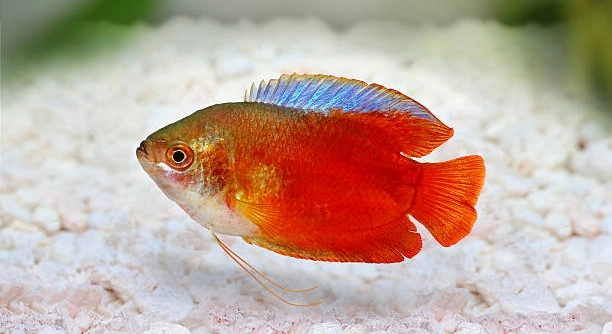
Gouramis are gentle freshwater fish often admired for their calm presence and vibrant colors. Their behavior can be subtle yet revealing, showing patterns that hint at intelligence and awareness within their aquatic environment. Observing them can be surprisingly engaging.
When gouramis are curious, they exhibit behaviors such as exploring new objects, following movements, extending fins, investigating tank corners, hovering near surfaces, gently nudging items, and watching other fish. These actions demonstrate sensory awareness and active engagement with their surroundings.
Recognizing these behaviors can enhance your understanding of their needs and personality. Paying attention to their curiosity helps foster a more enriching and balanced aquarium environment.
How Gouramis Explore Their Tank
Gouramis often start their exploration by slowly moving through different sections of the tank. They glide along plants, peek behind decorations, and sometimes hover near objects that are new or unusual. Their movements are deliberate, showing careful observation rather than random swimming. When they encounter an unfamiliar item, they may circle it multiple times or pause nearby, using their sense of sight and lateral line system to detect subtle vibrations in the water. These behaviors indicate active assessment of the environment. Many gouramis also respond to changes in water flow or lighting, moving cautiously to understand what is different. Observing these patterns can give insight into their comfort level and curiosity. Over time, you may notice specific spots or objects that consistently attract their attention, showing that they have preferences and memory. Recognizing these tendencies helps in arranging the tank in a way that encourages safe exploration and mental stimulation.
Gouramis rely on subtle cues, like water currents and reflections, to investigate new areas. This behavior highlights their sensory sensitivity.
Exploring the tank is not only physical but also mental. Gouramis pay attention to details, track movements, and react to small changes, which shows intelligence. Providing varied textures, plants, and hiding spots encourages natural behavior. This also prevents boredom and promotes well-being. Tank enrichment enhances their curiosity, making them more active and engaging. Over time, attentive observation can reveal patterns and preferences unique to each fish.
Interaction with Objects
Gouramis often approach objects slowly, inspecting them with gentle nudges or hovering nearby. Their attention can remain on a single item for several minutes.
Introducing new decorations, plants, or floating items provides stimulation. Gouramis may push, nibble, or circle objects, learning about size, texture, and movement. Some fish prefer smooth surfaces, while others enjoy plants or intricate ornaments. Regularly changing items or their positions keeps their environment engaging. Watching how they interact can guide tank setup, ensuring both safety and enrichment. Curiosity-driven exploration also reduces stress and encourages natural swimming patterns, which benefits overall health. Over time, these interactions reveal personality traits and preferences, helping in understanding individual fish. The behaviors are subtle but consistent, showing intelligence and adaptation. Observing how gouramis respond helps maintain a lively and mentally stimulating environment, balancing their need for activity with comfort.
Following Movements
Gouramis often track the movement of other fish or objects in the tank. Their eyes follow slowly, and they adjust their swimming to maintain a clear view. This behavior shows attentiveness and awareness of their surroundings, as well as interest in patterns and activity around them.
Following movements is both instinctive and exploratory. Gouramis pay attention to other fish to assess safety, detect potential food sources, or satisfy curiosity. They may hover near a particular fish, matching its pace or direction, without showing aggression. This behavior is subtle but consistent, demonstrating a mix of social awareness and independent exploration. Some gouramis are more persistent followers, while others glance briefly and return to other tasks, reflecting individual personality differences. Tracking movements also helps them map the tank space and understand environmental changes.
This behavior strengthens their spatial memory. By observing and following, gouramis learn safe paths and detect potential threats. Regular interaction with moving objects enriches their environment, keeping them alert and mentally engaged. Over time, following patterns reveal their preferred swimming zones and social tendencies.
Fin Flare Displays
Gouramis flare their fins to inspect objects or signal attention. The display is often brief but intentional, showing curiosity or readiness to explore further.
Fin flaring serves as a visual tool, allowing gouramis to gather information about unfamiliar items or other fish. By expanding their fins, they enhance sensory perception, detecting minor changes in water movement or texture. This display can indicate confidence or cautious investigation, depending on the individual fish. Regular observation reveals patterns in their responses, such as which objects provoke the most attention and how interactions with other fish affect flare frequency. It is also a way for gouramis to communicate spatial awareness and presence without engaging in aggressive behavior. Understanding these displays aids in arranging tanks to balance enrichment and comfort.
Nibbling and Tasting
Gouramis often nibble at new objects to explore texture and taste. This behavior is gentle and careful, helping them gather information without causing damage or stress.
Nibbling is a key way for gouramis to investigate unfamiliar items. They may test plants, decorations, or floating objects repeatedly, adjusting their approach based on feedback. This behavior allows them to understand whether the item is safe, edible, or simply interesting. It is a slow, deliberate process, reflecting their cautious and observant nature. Over time, patterns in nibbling reveal their preferences and curiosity level.
Hovering Near Surfaces
Gouramis hover near the tank surface to inspect light, movement, or floating objects. This position gives them a strategic view of their environment.
Hovering helps gouramis monitor changes in water currents, detect food, and observe nearby fish. It is also a way to interact with new items without direct contact. This behavior shows attentiveness and a preference for areas that offer both safety and observation.
Gentle Nudging
Gouramis gently nudge objects or tank mates as a form of exploration. This behavior is subtle, controlled, and deliberate.
FAQ
Why do gouramis follow me around the tank?
Gouramis follow movement to observe and understand their environment. They are naturally curious and may track your hand, your shadow, or objects you place near the tank. This behavior is not aggressive; it is a way for them to gather information about changes and ensure safety. Over time, some gouramis develop preferences for certain areas and may spend more time in zones where activity occurs. Following is also influenced by personality, with some gouramis being more attentive and others more independent. Consistent interaction can help them feel comfortable and confident.
Why do my gouramis flare their fins at new objects?
Fin flaring is a natural investigative response. When a new item is added, gouramis extend their fins to better sense water movement and assess the object’s size, shape, and texture. Flaring is often brief and may happen multiple times until the fish feels familiar with the item. This behavior also communicates presence to other fish without aggression. Observing these flares helps determine which objects are engaging or intimidating. Over time, you can learn their comfort level with decorations, plants, or floating items.
Is it normal for gouramis to nibble on plants or decorations?
Yes, nibbling is a common way for gouramis to explore texture and test items for safety. They may gently bite or touch plants, artificial ornaments, or tank equipment. This behavior is investigative rather than destructive. It allows gouramis to distinguish between edible, interesting, or harmful objects. Patterns in nibbling can reveal preferences, such as favoring soft leaves or smooth surfaces. Providing a mix of textures and safe decorations encourages exploration and mental stimulation. If nibbling becomes excessive, adjusting plant types or removing delicate items can prevent damage without discouraging curiosity.
Why do gouramis hover near the water surface?
Hovering near the surface provides gouramis with a vantage point to monitor changes in light, movement, or floating objects. This position allows them to detect potential food sources and observe nearby fish without direct contact. Hovering is also a natural resting or investigative behavior, giving them control over their environment. Gouramis often return to preferred surface areas repeatedly, indicating comfort and familiarity. Providing floating plants or gentle surface cover can make this behavior more enriching while maintaining a sense of security.
Do gouramis interact with tank mates when curious?
Gouramis may approach or gently nudge tank mates as part of exploration. This is a non-aggressive form of interaction, used to gauge reactions, learn social patterns, or assert awareness in shared spaces. The nudging is usually light and deliberate, not intended to harm. Observing these interactions helps identify social dynamics, such as which fish are bold or reserved. Encouraging a balanced mix of species with compatible temperaments reduces stress and allows natural curiosity to thrive. These interactions also reveal personality traits, helping in future tank planning or enrichment.
How can I encourage safe exploration for my gouramis?
Providing a variety of decorations, plants, and safe objects encourages curiosity while maintaining safety. Change positions occasionally or add new items to stimulate investigation. Ensure swimming space is sufficient and avoid sharp or toxic materials. Observing their preferences helps you tailor the environment, promoting active engagement and mental stimulation. Rotating enrichment items prevents boredom and keeps their behaviors natural. Safe exploration also reduces stress, strengthens spatial awareness, and supports overall health. Attention to detail in tank arrangement benefits both their curiosity and well-being.
Can gouramis get bored if their tank is too plain?
Yes, minimalistic tanks can reduce activity and curiosity. Gouramis need a mix of textures, plants, hiding spots, and objects to explore. Without variety, they may become inactive or overly fixated on familiar areas. Enrichment, such as floating plants, ornaments, or rearranged decorations, maintains engagement. Curiosity is a sign of intelligence, and a stimulating environment supports natural behaviors. Monitoring behavior changes over time ensures that their mental and physical needs are met. Thoughtful arrangement balances comfort, safety, and exploration, keeping gouramis active and attentive.
Why do some gouramis respond differently to the same object?
Individual temperament and past experiences influence responses. Some gouramis are bolder and approach quickly, while others are cautious or hover at a distance. Patterns can shift over time as fish become familiar with objects or environmental changes occur. Understanding these differences helps in arranging the tank for all residents. Observing each fish’s reaction allows you to provide suitable enrichment, ensuring that curiosity is encouraged without causing stress. Differences in behavior are normal and reflect personality, intelligence, and comfort levels.
How often should I introduce new items to stimulate curiosity?
Introducing new items every few weeks is sufficient to keep gouramis engaged. Frequent changes may cause stress, while long periods without stimulation can reduce activity. Slowly integrating plants, decorations, or floating objects allows them to explore at their own pace. Observing interactions and noting preferences helps in maintaining a balance between novelty and familiarity. Introducing items thoughtfully ensures safe exploration and supports ongoing mental stimulation. Adjusting timing based on fish behavior encourages consistent engagement while respecting their natural cautious tendencies.
What signs show that gouramis are curious and healthy?
Active investigation, following movements, nibbling objects, fin flaring, and hovering near surfaces indicate curiosity and alertness. Consistent interest in the environment, balanced interaction with tank mates, and routine exploration of new items reflect both mental stimulation and well-being. These behaviors are subtle but noticeable when observed regularly.
Gouramis are thoughtful and observant fish, showing curiosity through many small behaviors. They explore their tanks in deliberate ways, from following movements to nibbling on objects. These actions are subtle but meaningful, giving insight into their personality and preferences. Observing them closely helps you understand how they interact with their environment and adapt to changes. Their curiosity is a natural part of their intelligence, reflecting both their comfort and interest in the surroundings. By noticing these behaviors, you can arrange their tank to encourage exploration while keeping them safe. Providing plants, decorations, and hiding spots allows gouramis to investigate without feeling threatened. This balance between stimulation and security supports mental engagement and reduces stress. Understanding these patterns is helpful not only for daily care but also for long-term well-being.
A curious gourami often exhibits behaviors like fin flaring, hovering near surfaces, or gently nudging objects. Each action has a purpose, whether it is to assess safety, investigate texture, or gather information about other fish. These small gestures reveal confidence levels, comfort zones, and individual temperament. Some gouramis are bolder, approaching new objects immediately, while others take a cautious approach, hovering and observing before interacting. Both responses are normal and reflect personality differences within the species. Monitoring these behaviors can guide tank arrangement, enrichment choices, and social planning. For example, knowing which fish are more assertive or reserved helps prevent unnecessary stress or conflicts. A well-planned environment that respects these tendencies encourages natural exploration and keeps gouramis active and engaged. Attention to these details ensures that their curiosity is nurtured in a safe and balanced manner.
Maintaining a tank that encourages curiosity involves careful observation and thoughtful arrangement. Introducing new items gradually, varying textures, and providing both open swimming areas and hiding spaces helps gouramis feel secure while stimulating their senses. Watching how they interact with objects and tank mates over time gives insight into their preferences and behavior patterns. Supporting these natural tendencies is key to their overall health, as mental engagement promotes activity, reduces stress, and strengthens social bonds. By paying attention to the small signs of curiosity, you can create an environment that allows gouramis to thrive. Their subtle behaviors, while often quiet, are meaningful indicators of comfort and intelligence. Fostering a tank setup that balances exploration, security, and stimulation ensures that gouramis remain active, engaged, and healthy for years to come.

Hello,
If you enjoy the content that we create, please consider saying a "Thank You!" by leaving a tip.
Every little bit helps us continue crafting quality advice that supports the health, happiness, and well-being of pets around the world, for pets of all shapes, sizes, and species.
We really appreciate the kindness and support that you show us!