
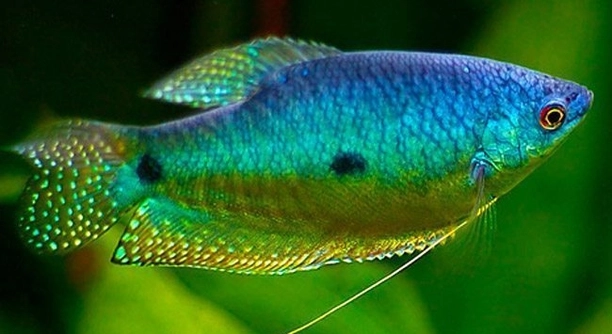
Are your gouramis acting a little territorial lately, chasing tank mates or hovering around one corner like they own it?
Gouramis claim space by flaring fins, chasing other fish, building bubble nests, guarding specific spots, and displaying bold colors. These behaviors are part of their natural instincts to establish dominance and secure preferred territory within their environment.
Each action has a reason, and understanding their behavior can help you maintain harmony in your tank while keeping your gouramis stress-free.
Flaring Fins and Bold Displays
When gouramis flare their fins, it’s usually not just for show. This action makes them appear larger and more intimidating to other fish. You might notice this behavior when two gouramis approach each other or when one spots a newcomer in the tank. It’s a way to communicate, “This is my spot.” Their bright colors may also intensify during this time. These changes aren’t random. They’re signs that a gourami is asserting control over a certain space. If tank mates back away, the behavior often stops. But if the challenge continues, chasing or fin-nipping may follow. Flaring can also serve as a warning sign of stress or a developing conflict. Keeping your aquarium calm and properly stocked helps reduce this tension. When a gourami doesn’t feel the need to compete constantly, it’s less likely to use flaring as a territorial move. Observation helps you catch this early.
This behavior is common in males but can appear in females too.
Flaring tends to happen more in smaller tanks where space feels limited. It’s important to make sure every fish has enough room to move freely. The less cramped they feel, the more relaxed your gouramis will behave.
Bubble Nest Building and Nest Guarding
Some gouramis build bubble nests, especially males, even without a mate present. This is a natural instinct tied to reproduction, but it also signals that the fish has claimed a specific territory. You may see them pushing plants or other materials near the nest. Once the nest is built, they’ll hover beneath it, guarding that area from intruders. Even peaceful tank mates may be chased away if they swim too close. This guarding behavior can be intense and constant. While it’s not always aggressive, it does mean the fish is serious about holding its space. If you’re keeping multiple males in the same tank, bubble nests can lead to arguments, so space and layout matter. Floating plants often trigger nesting, which you can use strategically. Watching a gourami build and guard a nest is fascinating, but it’s also a signal to give them the room and quiet they want.
Chasing and Blocking Movements
Gouramis sometimes chase other fish or block their path as a way of keeping control over a certain area. This usually happens in more confined spaces or when new fish are added to the tank.
If you see one gourami consistently following another or nudging it away from a specific section, that’s a clear sign of territorial behavior. These actions help reinforce boundaries and maintain order in the tank according to the gourami’s preferences. It’s not always aggressive enough to injure others, but repeated chasing can lead to stress. The blocked areas often include hiding spots, favorite corners, or areas with good flow or food. Rearranging the tank or adding plants may reduce this behavior by giving each fish its own place to explore. Watching these patterns can help you understand who’s trying to be the boss in the tank and why they’re doing it.
Blocking often looks like a standoff. One gourami positions itself directly in front of another, preventing movement. This can last for a few seconds or stretch into a longer standoff depending on how the other fish reacts. These blocks are part of how gouramis claim space without physical fighting. If the challenged fish backs off, no further action usually happens.
Hovering in a Claimed Spot
Sometimes a gourami will pick one corner or section of the tank and stay there. This isn’t always about comfort—it’s often a sign they’ve chosen that area as theirs and want to keep it that way.
The gourami might gently chase off others who approach or just hover quietly, making it clear that others should stay back. This behavior is more common in adult fish or when tank mates are too close. Adding hiding spots or breaking up sightlines with plants and decorations can ease the tension. When each fish has its own corner or cave, there’s less reason to argue. This hovering is a form of silent control, and it works without causing much stress if managed properly. If left unchecked in a small tank, though, it can lead to bullying or overcrowding in the remaining space. Keeping a close eye on this behavior is helpful.
Body Blocking and Lateral Displays
A gourami may use its body to block another fish from passing or accessing a spot. It’s a simple but clear signal to stay away. This tactic works especially well in narrow areas or between decorations.
Lateral displays involve turning sideways and showing off their full profile to appear larger. This display is silent but direct. It helps reinforce dominance without the need to chase or nip. These behaviors often show up in tanks that lack enough hiding places or separation between territories.
Rapid Color Changes
Gouramis often change color when defending space. These shifts are fast and usually involve deepening or brightening their shades, especially around the face and fins. It’s a visible sign to others that they’re alert and ready to defend their area. You’ll notice this during disputes, feeding times, or after new fish are introduced. Darkening colors typically mean tension, while brighter tones can signal either excitement or a warning. In community tanks, sudden color changes usually point to a fish feeling the need to reinforce its presence. If it happens often, consider adjusting the tank layout to reduce the tension.
Nudging and Quick Darts
Nudging is a low-level push meant to get other fish to move. It’s more of a reminder than a fight. Quick darting movements, on the other hand, act as short bursts of warning. Both are common in tanks with limited space.
FAQ
Why is my gourami chasing other fish around the tank?
Chasing is a common way gouramis claim territory. It usually happens when one fish feels its space is being invaded. The chasing isn’t always aggressive, but it can cause stress if it keeps happening. If your tank is small or doesn’t have enough hiding spots, the dominant gourami may feel the need to push others away. Adding plants, caves, or visual barriers can reduce this behavior. Rearranging the layout sometimes helps reset the boundaries and lowers tension.
Do gouramis always fight when claiming territory?
Not always. They often use non-aggressive methods first, like hovering, blocking, and displaying their sides to appear larger. These behaviors are meant to warn without causing harm. However, if the space feels too cramped or another fish refuses to back off, it can escalate into fin nipping or chasing. The type of gourami also matters. Some, like dwarf gouramis, are less aggressive than others. Keeping enough room and structure in the tank helps reduce the need for physical conflict.
What does it mean when a gourami changes color suddenly?
Sudden color changes can be a sign of stress, excitement, or a defensive response. Gouramis often darken or brighten to show dominance or readiness to defend a spot. If it happens during feeding or when a new fish enters the tank, it’s likely tied to territorial behavior. Brightening colors may also appear during courtship. However, if the color shift is paired with hiding or poor appetite, check for illness or poor water conditions. Context is key when reading these signals.
Can multiple gouramis live together peacefully?
Yes, but tank size, layout, and the specific type of gourami play a big role. A large tank with plenty of hiding spaces and visual breaks can support several gouramis. Males are more likely to be territorial than females, especially if there are limited resources. Avoid keeping multiple males in a small tank. It’s also important to watch how they interact for the first few days. If one fish becomes overly dominant, it may help to rearrange the tank to break the pattern.
Why does my gourami block other fish from swimming past?
Blocking is a passive way of showing ownership over an area. The gourami places itself in a key spot, like near a cave, plant, or feeding zone, and prevents others from passing through. This can be enough to claim the space without physical contact. It’s common in tanks where space is limited or when a gourami finds a spot it wants to control. If it happens frequently, try adding more decorations or dividing the space to give each fish a spot of its own.
How do I know if a gourami is stressed from territorial behavior?
Watch for signs like rapid breathing, hiding, faded colors, or a lack of appetite. Constant chasing or being unable to rest in one area can wear a fish down. Even though territorial behavior is normal, it shouldn’t lead to one fish being bullied. Stress can weaken the immune system, making the fish more likely to get sick. If one fish is always being chased or cornered, you may need to remove the aggressive one or provide more cover in the tank.
Do gouramis need specific tank mates to reduce territorial issues?
Yes, peaceful and non-aggressive tank mates help avoid conflict. Choose fish that don’t resemble gouramis or compete for the same space. Bottom dwellers like corydoras or fast-swimming fish like danios usually work well. Avoid other labyrinth fish or slow-moving species that might get targeted. Having the right tank mates, along with plenty of hiding spots, can reduce the pressure on your gourami to defend its space constantly. Always monitor behavior after introducing new fish and be ready to make changes if needed.
Final Thoughts
Gouramis are naturally territorial fish that use several behaviors to claim and protect space. These actions can include flaring fins, blocking pathways, chasing, or choosing one area of the tank to guard. While some behaviors may look aggressive, they are often part of normal communication between fish. Most gouramis prefer to avoid physical fights if they can show their dominance through posture or color changes. It’s important to understand that these behaviors are instinctive and usually serve a purpose. When managed properly, they rarely lead to serious harm among tank mates.
Tank size, layout, and the type of gourami all play a big role in how intense these territorial behaviors become. A crowded or poorly arranged tank makes it easier for tension to build. Adding plants, decorations, and hiding spaces helps each fish find its own area. This can lower stress levels and give the more dominant fish fewer reasons to chase or block others. Keeping only one male gourami or pairing with calm tank mates can also reduce conflict. Simple changes in tank setup can make a noticeable difference in how your fish behave.
Observing your gouramis and learning their patterns can help you know when something needs attention. A small amount of chasing or posturing is often normal, but ongoing aggression, hiding, or damage to fins means it’s time to adjust the environment. These fish thrive when their space feels balanced and calm. By giving them enough room, clean water, and a peaceful group of tank mates, you can enjoy their colors and personalities without constant conflict. Territorial behavior doesn’t always mean there’s a problem—it’s part of how gouramis interact. With the right setup and care, they can live together with fewer issues and bring a lot of interest to your tank.

Hello,
If you enjoy the content that we create, please consider saying a "Thank You!" by leaving a tip.
Every little bit helps us continue crafting quality advice that supports the health, happiness, and well-being of pets around the world, for pets of all shapes, sizes, and species.
We really appreciate the kindness and support that you show us!