
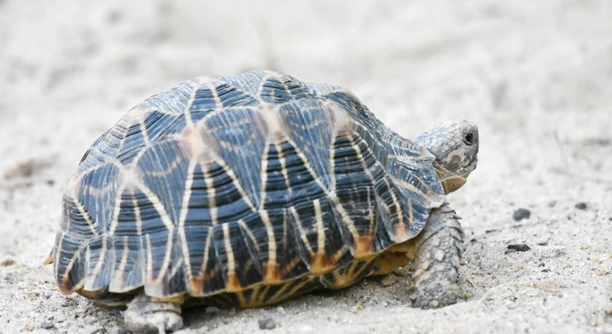
Turtles make wonderful pets, but caring for them requires knowledge and attention. They have unique needs that differ from other pets, so it’s essential to understand what it takes to keep them healthy and happy.
Caring for a turtle involves understanding their diet, habitat, and specific health needs. Ensuring they have proper lighting, temperature, and space is crucial for their well-being. Regular cleaning and monitoring their behavior will help keep them thriving.
A little preparation can go a long way in ensuring your turtle lives a long, healthy life. Knowing the basics will help you provide the best care possible for your shelled friend.
1. Turtles Need Proper Lighting and Heat
Turtles are cold-blooded, meaning they rely on external heat sources to regulate their body temperature. Without adequate lighting and heat, they may become lethargic and more prone to illness. A UVB light is essential for their overall health as it helps them produce vitamin D3, which is necessary for calcium absorption. You should place the light above their basking area to allow them to warm up. Additionally, providing a heat source like a basking lamp will help ensure they can stay active. Without proper heat, turtles may experience shell deformities and other health issues.
Maintaining a consistent temperature is vital for your turtle’s well-being. Make sure the basking area is between 85–90°F, while the cooler side of the tank should range from 75–80°F. This balance will allow your turtle to regulate its body temperature effectively.
If you’re unsure about the correct temperature, invest in a reliable thermometer. A temperature gradient within the tank mimics the turtle’s natural environment and provides them with options for thermoregulation. Regular monitoring will help keep your turtle in optimal health.
2. Clean Water is Crucial
Water quality plays a major role in the health of your turtle. Dirty water can lead to infections and shell rot. Ensure your turtle’s tank is large enough to give them plenty of swimming space.
Turtles need clean water to thrive. It’s recommended to change the water in their tank regularly and to invest in a good filtration system. These systems help remove waste and keep the water fresh. If you have a small tank, consider changing the water every few days to prevent a build-up of harmful bacteria.
In addition to water changes, ensure the tank is free from algae and debris. This not only makes the environment more pleasant but also reduces the risk of skin and shell infections. Monitoring water parameters like pH levels and ammonia levels is essential for maintaining a safe environment for your turtle. Keep an eye out for any signs of poor water quality, like unusual behavior or skin issues. Taking these simple steps will help keep your turtle healthy and comfortable.
3. Turtles Require a Balanced Diet
A healthy diet is essential to your turtle’s growth and overall health. Turtles are omnivores, so their meals should consist of both plant-based foods and protein sources. This balance helps them get the necessary vitamins and minerals for their shells, bones, and immune system.
Offer a variety of leafy greens like kale, collard greens, and dandelion greens. These provide the necessary fiber and nutrients. You should also add occasional protein sources like earthworms, crickets, or commercial turtle food, which provide the protein and fat turtles need. Avoid feeding them too much high-protein food as it can lead to kidney problems.
When feeding your turtle, avoid processed foods and stick to natural options. Remember to remove any uneaten food from the tank after a few hours to prevent water contamination. This simple step helps maintain water quality and prevents bacterial growth that can harm your turtle.
4. Handling Turtles Properly
Turtles should be handled with care. Overhandling them can cause stress, which may lead to health problems. When you do need to handle your turtle, make sure to be gentle. Always support its body fully, holding it by the sides of its shell.
Never lift a turtle by its limbs or tail, as this can cause injury. Use both hands to avoid any discomfort or stress. When setting your turtle back in its tank, do so slowly and gently, ensuring it lands in a safe, stable spot. If your turtle seems stressed, give it space to calm down.
It’s best to keep handling to a minimum, especially for young turtles. While it’s okay to occasionally let them roam outside their tank, ensure they’re in a safe environment where they can’t escape or get injured. Your turtle will feel more secure in its own space, and limiting handling will ensure its overall well-being.
5. Provide Adequate Tank Size
Turtles need enough space to swim and explore. A tank that’s too small can lead to stress and health problems. Make sure your turtle has room to grow and move freely, with at least 10 gallons of water per inch of shell length.
A bigger tank is always better for your turtle’s health. If you have a hatchling, start with a 20-gallon tank, and as your turtle grows, upgrade accordingly. This allows for proper swimming, basking, and exploration, all of which are important for their physical and mental well-being.
You’ll also want to make sure the tank is equipped with places for your turtle to bask and hide. A dry area for basking is essential to help them regulate their body temperature and dry off after swimming.
6. Watch for Common Health Problems
Regularly check your turtle for signs of illness. Common health problems include respiratory infections, shell rot, and parasites. If you notice any changes in behavior, like a lack of appetite or lethargy, it could indicate a problem.
If you spot unusual symptoms, such as wheezing, discharge from the eyes or nose, or swelling in the limbs, take your turtle to a vet. Quick action can prevent the condition from worsening. Also, make sure your turtle’s tank is cleaned regularly to reduce the risk of infections. Keep their environment dry and well-maintained.
It’s essential to know the signs of good health, so you can quickly address any potential issues. Keeping an eye on their behavior, diet, and overall condition will help ensure your turtle’s long-term health.
7. Keep Their Environment Stress-Free
Stress can affect your turtle’s health and behavior. Keep their tank in a quiet, calm area, away from loud noises and sudden movements. Ensure that their enclosure is in a stable environment without temperature fluctuations or drafts.
FAQ
How often should I feed my turtle?
Turtles should be fed every day, especially if they are young and still growing. Adult turtles, however, can be fed every other day. Offer a balanced diet of both plant and animal matter. Make sure to remove uneaten food from the tank to prevent water contamination.
What temperature should my turtle’s tank be?
The temperature in your turtle’s tank should have two distinct areas: a basking spot around 85–90°F and a cooler area around 75–80°F. This temperature gradient allows your turtle to regulate its body heat naturally. Always monitor the temperatures with a reliable thermometer.
Can I keep multiple turtles together?
It’s possible to keep multiple turtles together, but it depends on the species. Some turtles are more territorial and may fight, especially if space is limited. Ensure your tank is large enough to accommodate multiple turtles and provide plenty of hiding spots to minimize stress and aggression.
How long do turtles live?
Turtles can live for a long time, with many species reaching ages of 20 to 50 years. Some turtles, like the Galápagos tortoise, can live well over 100 years. Be prepared for a long-term commitment when owning a turtle, as they require consistent care throughout their lifespan.
Do turtles need UV light?
Yes, turtles need UVB light to help them synthesize vitamin D3, which is essential for calcium absorption. Without UVB lighting, turtles can develop metabolic bone disease and other health problems. A UVB light should be placed above the basking area, and it needs to be replaced every 6 months.
How do I know if my turtle is sick?
Common signs of illness in turtles include lethargy, loss of appetite, swollen eyes, wheezing, or abnormal behavior. If your turtle is floating abnormally or its shell appears soft or damaged, these could be signs of an infection. Early detection and a visit to the vet are crucial for treatment.
Can turtles live in a small tank?
Turtles need a lot of space to thrive. A small tank will stress them out, which can lead to health problems. A general rule of thumb is to provide 10 gallons of water per inch of shell length. Larger tanks are always better for the turtle’s physical and mental well-being.
Should I give my turtle a companion?
Turtles can be social, but not all species get along. Some turtles are solitary and may get aggressive toward others. If you decide to get another turtle, ensure you have enough space in the tank and consider the species’ behavior before introducing a companion.
How often should I clean my turtle’s tank?
Turtle tanks should be cleaned regularly to maintain water quality and reduce the risk of bacterial growth. Change the water every week or two, and spot clean daily by removing uneaten food and waste. A good filtration system can help keep the tank clean between full water changes.
What type of water should I use in the tank?
Tap water is generally fine for your turtle, but it must be dechlorinated. Chlorine and chloramine can harm your turtle’s skin and respiratory system. You can buy a dechlorinating agent from a pet store, or let the water sit for 24-48 hours before using it to allow the chlorine to evaporate.
Can I keep a turtle as a pet if I live in a small apartment?
Yes, you can keep a turtle in a small apartment as long as you provide a proper tank with the right equipment. Make sure the tank is large enough, and be mindful of the noise and light requirements. Turtles don’t need large outdoor spaces, but they do need consistent care.
What should I do if my turtle’s shell is damaged?
If your turtle’s shell is cracked or injured, take it to a vet immediately. Shell damage can lead to infections if not treated properly. In some cases, the vet may recommend using a special bandage or medication to protect and heal the shell.
What kind of filter does my turtle’s tank need?
A good filtration system is important to keep your turtle’s environment clean. You should use a filter that can handle the volume of water in your tank, as turtle waste can quickly pollute the water. Look for a filter with mechanical, chemical, and biological filtration to keep the water clear and safe.
Can I feed my turtle fruits?
Yes, fruits can be a healthy treat for turtles, but they should be given in moderation. Some good options include strawberries, apples, and bananas. Avoid feeding them too much sugar, and make sure the fruit is chopped into small, manageable pieces to prevent choking.
Is it necessary to give my turtle a basking area?
Yes, a basking area is essential for your turtle. It allows them to dry off, regulate their temperature, and absorb UV light. You can use a flat rock or a special basking platform, ensuring it’s easy for your turtle to climb onto and dry off after swimming.
Can turtles live without a filter?
While it’s possible for a turtle to live without a filter, it’s not recommended. Without proper filtration, waste will build up quickly in the tank, making the water dirty and potentially harmful to your turtle. A filter helps maintain water quality, which is crucial for their health.
How do I prevent my turtle from getting shell rot?
To prevent shell rot, make sure your turtle’s tank stays clean, and that the water is changed regularly. Avoid any sharp objects in the tank that could cause injuries. Also, provide your turtle with a dry basking area to keep its shell from staying wet too long.
What should I do if my turtle isn’t eating?
If your turtle isn’t eating, check the water temperature and quality. Stress or illness can cause a loss of appetite. If there are no environmental issues, and your turtle continues to refuse food, it’s a good idea to take it to the vet for a check-up.
Final Thoughts
Turtle care may seem overwhelming at first, but once you understand their basic needs, it becomes much easier to provide a happy and healthy environment for your pet. They require specific care, such as the right water temperature, a balanced diet, and a proper tank size, but with some simple steps, you can create a comfortable home for your turtle. By following the tips provided in this article, you will be able to avoid common mistakes and make sure your turtle thrives for many years to come.
Owning a turtle is a long-term commitment. Their lifespan can span decades, so it’s important to prepare yourself for the responsibility. Regular tank cleaning, monitoring of water conditions, and ensuring they get the proper light and heat will go a long way in maintaining their health. Keeping a turtle is not just about feeding them; it’s about understanding their unique needs, including providing mental stimulation and ensuring they have space to move around. Their well-being depends on both their physical and environmental care, so be prepared to invest time and energy into their upkeep.
In conclusion, owning a turtle can be a rewarding experience if you are willing to dedicate the time and effort needed. They are low-maintenance pets once you have set up their environment correctly, but they still need regular care and attention to ensure they remain healthy. Keep in mind that their health and happiness are directly linked to the environment you provide for them. By keeping their habitat clean, providing them with proper food and lighting, and monitoring their behavior, your turtle can live a long, happy life by your side.

Hello,
If you enjoy the content that we create, please consider saying a "Thank You!" by leaving a tip.
Every little bit helps us continue crafting quality advice that supports the health, happiness, and well-being of pets around the world, for pets of all shapes, sizes, and species.
We really appreciate the kindness and support that you show us!