
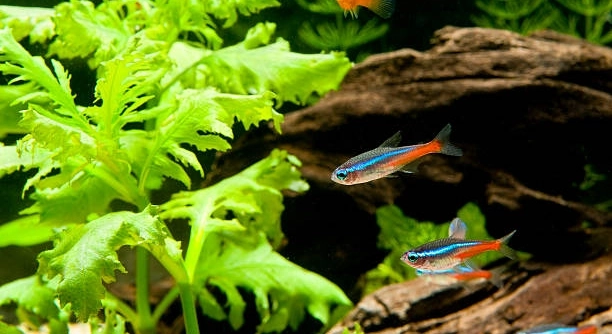
Neon Tetras are beautiful, vibrant fish that can thrive in the right water conditions. One important factor to consider is water hardness, which can greatly affect their health and behavior in your aquarium.
Water hardness refers to the concentration of dissolved minerals, mainly calcium and magnesium, in the water. For Neon Tetras, soft water with low mineral content is ideal. Hard water can cause stress and health problems for these delicate fish.
Understanding the significance of water hardness can help you provide the best environment for your Neon Tetras. Knowing how to adjust water hardness properly will ensure that your fish stay healthy and happy in their aquatic home.
What is Water Hardness and Why Does it Matter?
Water hardness is the measure of minerals like calcium and magnesium dissolved in your aquarium water. Neon Tetras are known for thriving in soft water, meaning water with fewer minerals. In their natural habitat, they live in soft, slightly acidic waters like those found in the Amazon River. When water is too hard, it can throw off their overall health and even shorten their lifespan. Hard water can affect their ability to absorb necessary nutrients and disrupt their delicate biological processes.
For Neon Tetras, it’s essential to maintain a soft water environment. The right water hardness will help them maintain a strong immune system, vibrant color, and active behavior. If the water is too hard, you may notice them becoming stressed, which can lead to illness. Testing water hardness regularly is an easy way to make sure your fish are in a suitable environment. It’s an important part of ensuring their comfort and well-being.
Properly adjusted water hardness can also reduce the risk of diseases. By keeping the water soft, you help maintain the balance of minerals that Neon Tetras need to stay healthy and active.
Testing Water Hardness
To know the hardness of your aquarium water, you’ll need a simple water hardness test kit. These kits are easy to use and provide clear results, so you can know exactly where your water stands. You can find them in pet stores or online.
Using a test kit, you can measure the hardness in degrees of hardness (dGH) or parts per million (ppm). For Neon Tetras, a range of 1 to 8 dGH is ideal, which represents soft to slightly hard water. Regular testing will give you an accurate reading to adjust the water as needed. Monitoring your water’s hardness is essential, especially when you’re setting up a new tank or making significant changes.
How to Lower Water Hardness
To lower water hardness, you can use water softening products, such as peat moss or reverse osmosis (RO) filters. These help reduce the mineral content in the water, creating a softer environment for your Neon Tetras. Always monitor the hardness levels after making adjustments.
Peat moss is a natural and affordable way to soften your aquarium water. It releases tannins that help lower the pH and soften the water. You can place it in the filter or directly in the tank, but be aware that it may tint the water brown. Another option is using reverse osmosis filters, which remove minerals from the water completely, ensuring the perfect soft environment for your fish. However, this method requires a bit more investment.
It’s important to adjust water hardness gradually. Sudden changes can stress the fish and cause health issues. Test the water every few days after making adjustments and continue to monitor the pH levels. Keeping the process slow will help your Neon Tetras adapt to the changes.
How to Raise Water Hardness
Raising water hardness can be achieved by adding mineral supplements designed for aquariums. You can also use crushed coral or limestone in the filter or substrate. Both options will naturally release minerals into the water over time.
Crushed coral is an effective way to increase water hardness. When added to the aquarium, it slowly releases calcium and magnesium, raising the hardness level. If you prefer a quicker solution, you can use commercially available mineral supplements designed for aquarium use. These products will raise the hardness to your desired level without affecting the pH too much. However, be sure to follow the instructions carefully to avoid adding too much at once.
Monitor the hardness level after adjustments to ensure that it stays within the desired range. Neon Tetras prefer soft water, but if you need to raise hardness for other fish in the tank, you may need to find a middle ground. Maintaining balanced water conditions is key to keeping all the fish healthy.
Effects of High Water Hardness
High water hardness can stress Neon Tetras and impact their overall health. They may show signs of sluggishness or reduced appetite. Over time, exposure to hard water can weaken their immune system and make them more susceptible to diseases.
In hard water, Neon Tetras may struggle with their osmoregulation, the process of balancing water and minerals in their bodies. When their environment is not ideal, it can lead to issues like fin rot or even stunted growth. It’s important to keep their water soft to avoid these issues.
Effects of Low Water Hardness
Low water hardness can also cause problems for Neon Tetras, though it’s less common. Too-soft water can lead to an imbalance in essential minerals, affecting the fish’s ability to maintain bone strength and overall health.
In extremely soft water, Neon Tetras may have trouble absorbing calcium and other vital nutrients. This can result in poor growth, weak bones, or even deformities. It’s important to strike the right balance when adjusting water hardness, ensuring it stays within the ideal range for your fish.
FAQ
What is the ideal water hardness for Neon Tetras?
The ideal water hardness for Neon Tetras is between 1 and 8 dGH (degrees of hardness). This range represents soft to slightly hard water. Keeping the water soft helps prevent stress and promotes their overall health, making sure they remain vibrant and active.
How can I test my aquarium’s water hardness?
You can test your aquarium’s water hardness using a simple test kit, which is available at most pet stores. The test will measure the hardness in either dGH or ppm (parts per million). These kits are easy to use and provide accurate readings for water conditions.
Can I use tap water for my Neon Tetras?
Tap water can be used for your Neon Tetras, but it’s essential to check the water hardness first. Many tap waters are too hard for these delicate fish. If your tap water is hard, consider using a water softener or mixing it with distilled or reverse osmosis water.
What happens if the water is too hard for Neon Tetras?
If the water is too hard, Neon Tetras may experience stress, a weakened immune system, and an increased risk of disease. They might also display abnormal behavior, like reduced activity or loss of appetite. Long-term exposure to hard water can even shorten their lifespan.
Can I adjust the hardness of the water?
Yes, you can adjust the hardness of the water using various methods. To soften the water, you can use peat moss, reverse osmosis filtration, or other water softeners. To raise the hardness, you can add crushed coral, limestone, or commercial mineral supplements designed for aquariums.
How often should I test the water hardness?
It’s a good idea to test the water hardness every 1-2 weeks, especially if you’re in the process of adjusting it. More frequent testing might be needed if you’ve just set up your tank or made significant changes to the water chemistry. Consistency will ensure your fish stay in optimal conditions.
Can water hardness affect the color of Neon Tetras?
Yes, water hardness can influence the vibrancy of your Neon Tetras’ colors. Soft water, which is ideal for them, enhances their natural bright blue and red hues. Hard water can cause their colors to appear dull and less vivid due to the stress it causes.
Should I use a water conditioner for my Neon Tetras?
Using a water conditioner is helpful, especially if you’re adjusting the water’s pH or hardness. A conditioner can remove harmful chemicals like chlorine and chloramine from tap water. However, it does not directly affect water hardness, so it’s important to use other methods to adjust hardness.
What other factors should I consider for my Neon Tetra tank?
Besides water hardness, other important factors include water temperature, pH level, and filtration. Neon Tetras prefer slightly acidic to neutral water with temperatures between 72-78°F (22-26°C). Consistent water quality is key for keeping your fish healthy and happy.
Can Neon Tetras live in hard water with other species?
Neon Tetras can live in tanks with other fish, but it’s important to keep their environment suitable for them. If you’re keeping them with other species that prefer harder water, you may need to compromise on the hardness level or choose fish with similar water requirements.
How can I raise water hardness without affecting pH?
Raising water hardness without affecting pH is possible by using mineral buffers that don’t alter acidity. Crushed coral and aragonite are good choices, as they raise hardness levels without drastically changing the pH. Always monitor both hardness and pH levels after making adjustments.
Can I keep Neon Tetras in brackish water?
Neon Tetras are freshwater fish and should not be kept in brackish water, which contains salt. Brackish conditions can cause significant stress and harm to these delicate fish. They thrive best in soft, fresh water with minimal salt content.
How can I remove excess minerals if my water is too hard?
If your water is too hard, you can remove excess minerals by using a reverse osmosis system, which filters out minerals, or by adding water softening products like peat moss. Regularly testing the water ensures that the hardness remains within the ideal range for your fish.
Do water changes affect water hardness?
Yes, water changes can affect the hardness of your aquarium water, especially if you are using tap water. If your tap water is hard, frequent water changes will introduce more minerals into the tank. It’s important to test the water hardness before and after each change to monitor any fluctuations.
Can Neon Tetras live in very soft water?
Neon Tetras can live in soft water, but it’s important that the water doesn’t become too soft, as they still need essential minerals. Extremely soft water can cause issues with calcium and other vital nutrients. It’s crucial to maintain a balanced environment for their health.
What should I do if my Neon Tetras are showing signs of stress?
If your Neon Tetras show signs of stress, like faded colors or lack of activity, check the water hardness and other parameters. Stress is often caused by water conditions. Make gradual adjustments to ensure the water remains in the right range for them to thrive.
Final Thoughts
Water hardness plays a vital role in the health of Neon Tetras. These small, colorful fish thrive in soft water, and maintaining the right hardness levels will help them stay healthy and vibrant. While adjusting water hardness might seem complicated at first, it’s an essential step in creating an optimal environment for your fish. Regular testing, using the right tools, and making gradual adjustments are all key to ensuring that your aquarium’s water is just right for your Neon Tetras.
Keeping the water conditions in check is not just about water hardness. Other factors like pH levels, temperature, and filtration also play a role in creating a balanced environment. For Neon Tetras, stability is crucial. Sudden changes in water parameters can cause stress and lead to health issues. Therefore, it’s important to monitor and adjust the water conditions gradually, so your fish have time to adapt without becoming overwhelmed.
By understanding water hardness and its effects on your Neon Tetras, you can make informed decisions on how to manage it. Whether you need to soften the water or raise its hardness, there are many ways to do so without harming your fish. With a little care and attention, you can provide your Neon Tetras with a healthy and comfortable habitat, ensuring they live a long, happy life in your aquarium.

Hello,
If you enjoy the content that we create, please consider saying a "Thank You!" by leaving a tip.
Every little bit helps us continue crafting quality advice that supports the health, happiness, and well-being of pets around the world, for pets of all shapes, sizes, and species.
We really appreciate the kindness and support that you show us!