
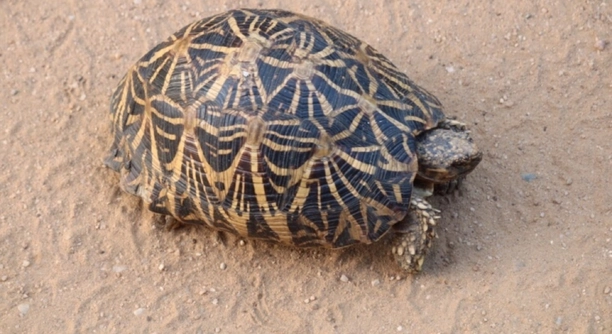
Owning an Indian Star Tortoise can be a rewarding experience, but it also comes with unique responsibilities. If you’re new to tortoise care, it’s important to understand their needs and how to provide the best environment for them.
To ensure a healthy and happy Indian Star Tortoise, owners should focus on creating an ideal habitat, providing the right diet, maintaining proper temperatures, and ensuring regular veterinary check-ups. These steps are essential for their well-being.
Knowing what to do can make your tortoise’s care much easier and more enjoyable. Let’s go over what you need to consider to keep your star tortoise thriving!
Creating the Perfect Habitat for Your Indian Star Tortoise
Your Indian Star Tortoise needs a well-planned environment to feel safe and comfortable. Start with a spacious enclosure that provides enough room for them to roam. A simple glass tank or an outdoor pen can work well, depending on your living space. Ensure there are both shaded and sunny spots. These tortoises require UVB light to keep their shells healthy, so a good lighting system is essential. The temperature should also be controlled; aim for 85-90°F during the day and a cooler area around 75°F for the nighttime. Adding a hiding spot or a small shelter is a good idea so your tortoise can retreat if it feels stressed.
A substrate like coconut coir or organic soil is perfect for keeping the habitat dry while allowing your tortoise to burrow. Be careful to avoid using cedar or pine wood chips, as these can be harmful. Keep the enclosure clean by changing the substrate every few weeks. Regular spot cleaning is also necessary to keep your tortoise comfortable and healthy.
The ideal environment will help your Indian Star Tortoise thrive, giving it the space and comfort it needs to live a long life.
Feeding Your Indian Star Tortoise
Diet plays a major role in your tortoise’s health. A well-balanced mix of greens, vegetables, and some fruits is ideal.
Offer leafy greens like dandelion greens, collard greens, and kale. You can also add small amounts of bell peppers, squash, or zucchini. Remember, overfeeding fruits should be avoided, as it can lead to digestive issues. Ensure access to fresh, clean water daily, but avoid soaking your tortoise for too long. A shallow water dish will suffice, so they can drink easily without risk of drowning.
Their diet is simple but crucial for their health, so providing the right food will go a long way in maintaining their well-being.
Temperature and Humidity Control
Maintaining proper temperature and humidity is critical for your tortoise’s health. During the day, temperatures should be between 85-90°F, and at night, they should drop to around 75°F. A heat lamp and a ceramic heater can help you achieve this.
Humidity is another factor to consider. While these tortoises come from arid regions, they still require a moderate humidity level to stay hydrated and avoid respiratory problems. Keeping the humidity between 50-60% is ideal. Use a hygrometer to monitor the levels, and if necessary, mist the enclosure lightly to maintain the proper balance.
If the temperature or humidity is too high or low, it can lead to health problems. Therefore, you must keep a close eye on these levels to ensure your tortoise is comfortable and thriving.
Regular Veterinary Check-ups
Regular veterinary visits are an important part of your tortoise’s care. They should see a reptile vet for routine check-ups to monitor their overall health. A vet can detect early signs of illness that may not be visible to you.
Tortoises can sometimes suffer from shell infections, respiratory problems, or parasites. Having a professional monitor their health helps to catch these issues early and prevent long-term problems. Make sure to find a vet who specializes in reptiles to get the best care for your Indian Star Tortoise.
Scheduling check-ups at least once a year is a good rule of thumb. A clean bill of health means your tortoise will stay happy and live a longer life.
Handling and Socialization
Indian Star Tortoises are not overly social animals, but they can tolerate handling when done gently. Try not to overwhelm them with too much interaction. Always approach slowly and support their body fully when picking them up.
Handle them for short periods and let them explore their surroundings. Over time, they may become accustomed to your presence. Avoid picking them up too often, as it can stress them out. Allow them to move at their own pace, and they will eventually become more comfortable around you.
Common Health Problems
Indian Star Tortoises can experience a few common health issues. Shell rot, respiratory infections, and parasites are some of the most frequent concerns. Keeping their habitat clean and ensuring proper humidity and temperature can prevent many of these problems.
If you notice any changes in their eating habits or behavior, it’s important to act quickly. Taking your tortoise to a vet at the first sign of illness is essential for their recovery. Early intervention can make a big difference in keeping your tortoise healthy and happy.
Providing Enough Space
Your tortoise needs room to move around and explore. A cramped environment can lead to stress and health issues. If you’re keeping your tortoise indoors, a spacious enclosure with enough area to roam and hide is crucial.
Even though they’re slow-moving creatures, they enjoy space to wander. The more space you can provide, the better their overall well-being will be. If you’re able, consider giving them an outdoor enclosure where they can soak up natural sunlight and have more freedom to move around.
FAQ
How often should I feed my Indian Star Tortoise?
Indian Star Tortoises typically need to be fed every other day, though this can vary depending on age and size. Young tortoises require more frequent feeding, while adults can eat less often. Always offer a variety of leafy greens and vegetables to ensure a balanced diet. Small amounts of fruits can be given occasionally, but avoid overfeeding them as it can lead to health issues.
What is the ideal enclosure size for my tortoise?
The minimum enclosure size for a single adult tortoise should be around 4 feet by 8 feet. The more space you can provide, the better. Make sure the space is large enough for your tortoise to move around comfortably. A larger area allows them to exercise and explore, which is important for their overall health and well-being. For a smaller tortoise or a hatchling, you can start with a smaller enclosure and gradually increase the space as they grow.
Can I keep my Indian Star Tortoise with other animals?
It’s not recommended to keep your tortoise with other pets like dogs or cats, as they may cause stress or accidentally injure the tortoise. Other reptiles may also not be ideal companions, as they can transmit diseases or compete for resources. If you want to introduce other animals, make sure they are compatible with tortoises and have similar habitat needs. In general, it’s best to keep your Indian Star Tortoise in an enclosure of its own.
What type of substrate is best for my tortoise’s enclosure?
The ideal substrate for your tortoise’s habitat is one that is safe, absorbent, and easy to clean. Coconut coir, soil, or grass hay are good choices. Avoid using sand or gravel, as they can be ingested and cause digestive issues. Make sure the substrate is kept dry to prevent mold or bacteria growth, and change it regularly to keep the environment clean and healthy.
How can I tell if my tortoise is sick?
Some signs that your tortoise may be ill include changes in eating habits, lethargy, abnormal breathing sounds, a swollen or soft shell, and unusual discharge from the eyes, nose, or mouth. If you notice any of these signs, it’s best to take your tortoise to a reptile vet for an evaluation. Catching illnesses early can prevent more serious problems and ensure a faster recovery.
Can I let my tortoise roam outside?
Yes, you can let your Indian Star Tortoise roam outside, provided the environment is safe. If you live in a warm climate, an outdoor pen with secure walls is ideal. Ensure the area is free from predators and provides both sun and shade. Avoid placing them on concrete, as it can get too hot and burn their feet. Always supervise them when they’re outside to make sure they don’t get into danger.
How do I clean my tortoise’s enclosure?
To clean your tortoise’s enclosure, remove all waste, uneaten food, and soiled substrate regularly. Wash the entire enclosure with a reptile-safe cleaner or mild soap and water once a week. Rinse thoroughly to remove any soap residue. Clean food and water bowls daily. Keeping the habitat clean is crucial for your tortoise’s health and will help prevent infections and other health issues.
How do I handle my Indian Star Tortoise?
When handling your tortoise, always support its body properly. Place one hand under the body and the other supporting its shell. Move slowly and gently, as sudden movements can stress your tortoise. Limit handling to short sessions to avoid overwhelming your pet. Tortoises are solitary animals, and while they can get used to handling, it’s important not to force interaction.
What temperature should I keep my tortoise’s enclosure?
The temperature in your tortoise’s enclosure should be around 85-90°F during the day. At night, the temperature can drop to 75°F. Use a heat lamp to maintain daytime temperatures and a ceramic heater for night heat. It’s important to have a warm basking spot, as well as a cooler area where your tortoise can retreat if it gets too hot.
Can Indian Star Tortoises swim?
Indian Star Tortoises are land-dwelling creatures and are not built for swimming. While they can tolerate a shallow water dish for drinking and soaking, they should not be placed in deep water, as it could cause stress or even drown them. Provide them with a shallow dish they can easily enter and exit when they need to hydrate or soak.
How long do Indian Star Tortoises live?
Indian Star Tortoises have a long lifespan, often living for 50 years or more if cared for properly. Proper diet, habitat, and regular veterinary care are essential for ensuring your tortoise’s long life. Their longevity is one of the reasons why owning an Indian Star Tortoise is such a long-term commitment.
Final Thoughts
Caring for an Indian Star Tortoise is a rewarding experience, but it requires commitment and attention to detail. These tortoises may seem low-maintenance at first glance, but they have specific needs that must be met to ensure they live long, healthy lives. From creating the right habitat to feeding them a balanced diet, each aspect of care plays a crucial role in their well-being. It’s essential to understand their unique needs and provide an environment that supports their natural behavior. With the right care, your Indian Star Tortoise can thrive for many years, bringing joy and companionship to your home.
Remember, consistency is key when caring for your tortoise. The habitat should remain stable, with the correct temperature, humidity, and space. Regular cleaning is also necessary to maintain a healthy living space. While they don’t require constant attention, monitoring their health and making adjustments as needed is important. If you notice any signs of illness or stress, don’t hesitate to consult a veterinarian who specializes in reptiles. This proactive approach can help catch potential health problems early and ensure your tortoise remains happy and comfortable.
Finally, be prepared for a long-term commitment. Indian Star Tortoises can live for decades, so owning one means providing care for a significant amount of time. This long lifespan makes it even more important to create a stable and enriching environment that supports their well-being. Taking the time to learn about their needs and setting up the right care routine will not only improve their quality of life but also give you a rewarding experience as their owner.

Hello,
If you enjoy the content that we create, please consider saying a "Thank You!" by leaving a tip.
Every little bit helps us continue crafting quality advice that supports the health, happiness, and well-being of pets around the world, for pets of all shapes, sizes, and species.
We really appreciate the kindness and support that you show us!