
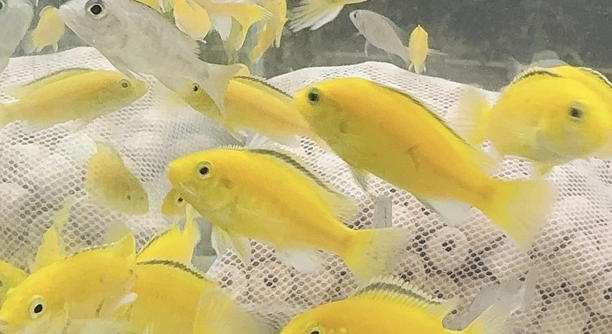
Electric Yellows are vibrant and curious fish, admired for their bright color and energetic nature. Their lively personality can sometimes lead them into risky situations if not carefully managed in their environment.
Electric Yellows should avoid sudden temperature changes, poor water quality, and overcrowded tanks. Maintaining stable conditions, proper diet, and suitable tank mates is crucial for their overall health, behavior, and longevity in both home aquariums and breeding setups.
Understanding these habits is essential for creating a safe, healthy space for Electric Yellows to thrive and flourish in captivity.
Avoid Overcrowding
Keeping too many Electric Yellows in one tank can create stress and aggression. These fish need personal space to establish territories. Overcrowding reduces oxygen levels and can increase waste accumulation, causing water quality issues. It’s important to plan the tank size carefully and ensure there is enough room for each fish to swim freely. Decorations and hiding spots can help reduce conflict by giving each fish a sense of security. When adding new fish, consider their size and temperament to avoid conflicts. Regular monitoring of fish behavior helps catch signs of stress early. Adjusting the number of fish or reorganizing the tank can prevent aggressive encounters. By managing population density, you maintain a healthier environment. Overcrowding can also lead to stunted growth and weakened immune systems, making fish more susceptible to disease. Maintaining proper tank balance supports long-term health and vibrant coloration. Proper planning and observation are key to avoiding overcrowding problems.
Even a few extra fish can cause tension, so always monitor tank numbers closely.
Creating adequate space ensures Electric Yellows stay calm and active, with reduced aggression and healthier development over time.
Maintain Stable Water Conditions
Electric Yellows are sensitive to sudden changes in water parameters. Fluctuating pH, temperature, or hardness can stress them, leading to illness. Regular water testing is crucial to detect changes early. A quality filtration system helps maintain water clarity and removes harmful compounds. When performing water changes, it’s important to match temperature and chemistry closely to avoid shocking the fish. Avoid introducing tap water directly without proper treatment. Consistent maintenance routines and gradual adjustments in conditions keep the environment predictable. Monitoring fish behavior, such as appetite and activity levels, can indicate if the water quality is optimal. Stability also supports breeding success and reduces the risk of disease outbreaks. By carefully controlling these factors, you promote long-term health and reduce unnecessary stress.
Regular checks are necessary to ensure water parameters remain consistent and safe for the fish.
Proper water management includes scheduled testing, careful water changes, and gradual adjustments. Stability reduces stress, encourages active behavior, and maintains vibrant colors, helping Electric Yellows thrive. Consistent attention to the tank environment prevents illness, supports feeding habits, and encourages natural social behaviors, creating a balanced and healthy aquarium ecosystem for these bright, energetic fish.
Avoid Aggressive Tank Mates
Choosing compatible tank mates is essential to prevent fights. Aggressive species can stress Electric Yellows and damage their fins.
Aggressive fish can dominate feeding areas and chase Electric Yellows constantly. This creates a stressful environment, reducing appetite and weakening the immune system. Small, passive fish may be harassed or injured. Planning tank compatibility carefully ensures everyone has space to thrive. Observing interactions regularly helps identify trouble early. If aggression is noticed, separating the fish or rearranging decorations can reduce conflict. Maintaining calm social dynamics allows Electric Yellows to display natural behavior without constant stress or fear, supporting their health and growth.
Peaceful tank mates reduce stress and allow Electric Yellows to interact normally. Structured observation and adjustments prevent injuries and maintain a harmonious environment.
Proper Diet and Feeding
Electric Yellows require a balanced diet to stay healthy. Overfeeding or underfeeding can cause health issues. Supplements and varied food keep them strong.
Feeding only one type of food limits nutrition. High-quality flakes, pellets, and occasional live or frozen foods provide essential vitamins and protein. Monitor portion sizes to prevent leftover food, which can pollute water. Feeding at consistent times establishes routine, helping fish maintain healthy weight. Avoid sudden changes in diet that may upset digestion or create aggression during feeding times. Rotating food types keeps them active and vibrant while supporting growth and coloration.
A proper feeding routine and diet variety improve immune response and overall vitality. Consistency ensures Electric Yellows remain energetic, healthy, and colorful.
Avoid Sudden Lighting Changes
Electric Yellows can become stressed with abrupt changes in lighting. Gradual transitions help them adjust and stay calm.
Consistent light schedules support natural behavior and reduce aggression. Using a timer ensures day and night cycles remain stable, preventing unnecessary stress and promoting overall well-being.
Monitor Health Regularly
Observing fish daily helps detect illness early. Watch for changes in color, appetite, or behavior, which can indicate problems. Maintaining a log of observations can track trends and catch subtle issues before they worsen. Early detection allows prompt intervention, improving recovery chances and maintaining a healthy tank environment.
Avoid Sharp Decorations
Sharp rocks or ornaments can injure Electric Yellows. Smooth, rounded decorations prevent cuts and fin damage, creating a safer habitat.
FAQ
How often should I change the water for Electric Yellows?
Regular water changes are crucial for maintaining a healthy tank. Generally, changing 20-25% of the water weekly keeps nitrate levels low and prevents harmful buildup. Using dechlorinated water with similar temperature and pH ensures the fish aren’t stressed by sudden changes. Monitoring water parameters regularly allows adjustments if needed, keeping the environment safe and stable.
What is the ideal tank size for Electric Yellows?
Electric Yellows need space to swim freely and establish territories. A minimum of 55 gallons is recommended for a small group, with additional space added for more fish. Proper decorations and hiding spots reduce aggression and help create natural territories. Overcrowding can lead to stress, illness, and stunted growth, so careful planning is essential.
Can Electric Yellows live with other cichlids?
Compatibility depends on temperament and size. Aggressive species can stress Electric Yellows, causing injury or reduced appetite. Peaceful or semi-aggressive cichlids of similar size tend to coexist better. Regular observation and careful introduction help maintain a balanced social environment and reduce conflict.
What should I feed Electric Yellows?
A varied diet keeps them healthy and vibrant. High-quality flakes or pellets provide essential nutrients. Supplementing with frozen or live foods like brine shrimp or bloodworms ensures protein and vitamins. Feeding small portions multiple times a day prevents overfeeding and keeps water quality stable. Rotating foods also supports color and growth.
How can I prevent disease in Electric Yellows?
Maintaining stable water conditions, providing a balanced diet, and avoiding overcrowding are the best prevention methods. Quarantining new fish before introducing them reduces the risk of infections. Observing fish behavior and physical condition daily helps detect early signs of illness. Prompt treatment improves recovery and keeps the tank healthy.
Do Electric Yellows need special lighting?
Moderate lighting supports natural behavior and enhances their color. Avoid sudden changes in brightness, which can stress them. Using a timer ensures consistent day and night cycles, helping maintain regular activity patterns and reducing aggression. Light intensity should match tank size and decoration levels.
How do I know if my Electric Yellow is stressed?
Signs of stress include hiding frequently, loss of appetite, faded color, or aggressive behavior. Stress can result from poor water quality, overcrowding, or incompatible tank mates. Addressing these factors quickly and monitoring behavior daily helps prevent long-term health problems.
Can Electric Yellows breed in a home aquarium?
Yes, with proper conditions. Providing a stable environment, adequate space, and a balanced diet encourages breeding. They often form pairs and lay eggs on flat surfaces. Careful observation of eggs and fry is necessary to ensure survival, as parents may become protective or aggressive.
Is it safe to mix Electric Yellows with non-cichlid fish?
Non-cichlid species may be stressed by the energetic and territorial behavior of Electric Yellows. Smaller or more passive fish may be chased or injured. Compatibility depends on size, temperament, and tank size. Monitoring interactions closely is essential to prevent harm and maintain harmony.
How can I keep the color of Electric Yellows vibrant?
A balanced diet with high-quality food, proper lighting, and stable water conditions support coloration. Avoid stress from aggressive tank mates or poor water quality, as it can cause fading. Regular observation and maintaining a clean, well-structured environment help them display their natural bright hues consistently.
What temperature should Electric Yellows be kept at?
Maintaining a stable temperature between 75-82°F is ideal. Sudden fluctuations can stress fish and trigger disease. Using a reliable heater and thermometer ensures consistency. Gradual adjustments may be necessary during seasonal changes or water replacements to prevent shock and maintain health.
How often should I clean the tank decorations?
Regular cleaning prevents algae buildup and maintains water quality. Use gentle methods to avoid harming beneficial bacteria. Clean decorations during routine water changes, ensuring they are safe and free of sharp edges that could injure the fish. Avoid harsh chemicals that could affect tank balance.
Can Electric Yellows recognize their owners?
Electric Yellows can show recognition by swimming actively near familiar people or responding to feeding routines. They are naturally curious and observe movements in their environment. Regular interaction helps them feel comfortable and reduces stress.
What are the most common health issues for Electric Yellows?
Common issues include fin rot, swim bladder problems, and stress-related illnesses. These are usually linked to poor water quality, overcrowding, or inconsistent diet. Early detection, proper tank management, and timely treatment prevent long-term damage and promote overall well-being.
How do I introduce new fish to an established tank?
Quarantine new fish for at least two weeks before introduction. Gradually acclimate them to the tank’s temperature and water chemistry. Introduce them carefully, observing interactions closely to prevent aggression. Rearranging decorations can reduce territorial disputes and help all fish adjust peacefully.
How much space does each Electric Yellow need?
Each fish requires sufficient swimming area and hiding spots to establish its territory. Crowded conditions increase stress, aggression, and risk of illness. Planning the number of fish according to tank size ensures a balanced environment and supports natural behavior and growth.
How do I reduce aggression among Electric Yellows?
Providing hiding spots, maintaining proper tank size, and choosing compatible tank mates reduces conflict. Regular observation and rearranging decorations when necessary help break established territories. Feeding routines also minimize competition and stress, creating a calmer environment for all fish.
Are Electric Yellows suitable for beginners?
They are manageable with proper preparation and care. Understanding their needs for space, diet, and water stability is essential. Consistent monitoring and maintenance make them a rewarding species for attentive aquarists. Their vibrant color and lively behavior make the effort worthwhile.
What type of substrate is best for Electric Yellows?
Sand or smooth gravel is recommended. Rough or sharp substrate can injure fish. Substrate also affects water chemistry and behavior, so choose one that is safe, easy to clean, and complements their natural activity, such as digging or sifting.
Can Electric Yellows jump out of the tank?
Yes, they can. A secure lid prevents accidents. Jumping often occurs due to stress, poor water quality, or aggressive tank mates. Ensuring a stable environment reduces the likelihood of this behavior, keeping fish safe and healthy.
How long do Electric Yellows typically live?
With proper care, they can live 8-10 years in home aquariums. Stable water conditions, balanced diet, and stress reduction contribute to longevity. Monitoring health and avoiding overcrowding help maintain a long, vibrant life for these fish.
Are there any plants suitable for Electric Yellow tanks?
Hardy plants like Anubias or Java Fern work well. Fast-growing or anchored plants provide hiding spots and reduce aggression. Fragile plants may be uprooted, so choose species that can tolerate their digging and swimming habits. Maintaining plant health also supports water quality and tank aesthetics.
How do I treat common diseases in Electric Yellows?
Early diagnosis is key. Treatments vary by illness, including medicated food, water treatments, or isolation. Maintaining optimal water quality, proper diet, and reducing stress are preventive measures. Consulting resources or professionals ensures correct treatment and minimizes fish mortality.
Is it necessary to have a water heater for Electric Yellows?
Yes, to maintain stable tropical temperatures. Fluctuations can cause stress or illness. Using a reliable heater and thermometer ensures water stays within the ideal range, creating a safe environment and supporting their health and activity levels.
Can Electric Yellows tolerate brackish water?
They prefer freshwater conditions. Introducing salt or brackish water can harm them. Maintaining consistent freshwater parameters ensures proper health, behavior, and color vibrancy. Occasional mild salt dips may help with certain illnesses but should be carefully controlled.
How do I acclimate Electric Yellows to a new tank?
Gradually introduce them to the tank water over 1-2 hours. Floating the bag and adding small amounts of tank water periodically reduces shock. Careful acclimation minimizes stress, allowing the fish to adjust safely to their new environment.
What is the best method to breed Electric Yellows?
Provide stable water, proper diet, and ample space. Pairing compatible fish and providing flat surfaces for egg-laying encourages breeding. Monitoring and protecting eggs or fry ensures higher survival rates. Removing aggressive parents may be necessary in some cases to protect offspring.
Do Electric Yellows need hiding spots?
Yes, hiding spots reduce stress and aggression. Caves, rocks, and plants give each fish a territory and a safe place to retreat. Proper shelter encourages natural behavior, supports mental well-being, and improves social dynamics within the tank.
How can I improve the coloration of Electric Yellows?
Balanced diet, proper lighting, and low-stress conditions enhance color. Avoid overcrowding and maintain stable water parameters. Rotating food types with color-enhancing ingredients supports vibrant hues. Consistent care ensures their bright yellow tones remain strong and healthy.
Are Electric Yellows active during the day or night?
They are diurnal, active during daylight hours. Maintaining a consistent light cycle supports feeding, social behavior, and natural activity patterns. Nighttime darkness provides rest, reducing stress and maintaining overall health.
Can I keep Electric Yellows in a planted tank?
Yes, but choose hardy plants that tolerate digging. Decorations and anchored plants provide hiding spots. Plant maintenance supports water quality and reduces stress, helping them coexist with vegetation while maintaining their natural behavior.
How often should I check water parameters?
Weekly testing of pH, ammonia, nitrite, and nitrate ensures a safe environment. Frequent checks allow early detection of changes, preventing stress or illness. Maintaining records helps track trends and keeps water conditions stable for long-term health.
Is it necessary to feed live food to Electric Yellows?
Live food is not required but adds variety and essential nutrients. It encourages natural hunting behavior and boosts protein intake. Combining live, frozen, and prepared foods ensures a balanced diet and supports overall health.
How can I reduce stress in Electric Yellows?
Stable water, proper tank size, compatible tank mates, and hiding spots minimize stress. Consistent feeding routines and gentle handling help fish feel secure. Reducing external disturbances like sudden lighting changes or excessive noise supports a calm, healthy environment.
Do Electric Yellows rearrange decorations or dig in the substrate?
Yes, digging and moving objects is natural behavior. Providing safe, rounded decorations and a suitable substrate prevents injury while allowing them to express normal instincts. Observing their activity ensures the environment remains safe.
Can Electric Yellows live with African Cichlids?
Some African Cichlids may coexist, but aggression and territorial disputes are common. Proper tank size, hiding spots, and compatible species selection are essential. Monitoring interactions prevents injuries and supports a stable social environment.
Are Electric Yellows sensitive to temperature changes?
Yes, rapid changes can stress them and trigger illness. Maintaining stable tropical temperatures between 75-82°F ensures health and vitality. Gradual adjustments during water changes or seasonal shifts prevent shock.
How do I know if my Electric Yellow is happy?
Active swimming, bright color, normal appetite, and social interaction indicate contentment. Stress signs include hiding, aggression, or faded color. Providing proper care supports their natural behavior and overall well-being.
Can Electric Yellows live alone?
They prefer social interaction with other cichlids. Alone, they may become stressed or lethargic. Keeping them in compatible groups ensures natural behavior, reduces stress, and promotes mental stimulation.
What is the best filtration for Electric Yellows?
Strong, reliable filtration maintains water clarity and quality. Canister filters or hang-on-back filters suited to tank size ensure adequate flow and waste removal. Regular cleaning supports optimal performance and a healthy environment.
Do Electric Yellows need a specific pH range?
Yes, they prefer slightly alkaline water around pH 7.5-8.5. Maintaining stable pH supports digestion, immune health, and behavior. Sudden shifts can cause stress or illness, so careful monitoring and adjustments are necessary.
Can Electric Yellows tolerate tap water?
Tap water must be treated to remove chlorine and harmful chemicals. Using water conditioners and matching temperature and pH ensures a safe environment. Untreated tap water can damage gills, stress fish, and lead to disease.
How do I stop fin nipping in Electric Yellows?
Fin nipping often results from stress or overcrowding. Providing hiding spots, reducing aggressive tank mates, and ensuring sufficient space minimizes this behavior. Monitoring and adjusting tank conditions helps maintain harmony.
What decorations are safest for Electric Yellows?
Smooth rocks, caves, and rounded ornaments prevent cuts and fin damage. Avoid sharp edges or fragile items. Safe decorations support natural behavior, territorial needs, and a secure environment while enhancing tank aesthetics.
Can Electric Yellows recognize feeding routines?
Yes, they quickly learn feeding times and may gather near the tank front. Consistent schedules reduce stress and competition, supporting healthy eating habits and interaction patterns.
Do Electric Yellows require special care during breeding?
Yes, stable water, proper diet, and safe territory are essential. Observing behavior, protecting eggs or fry, and managing aggression ensures successful breeding and survival of offspring.
How do I treat fin rot in Electric Yellows?
Maintain clean water, remove stressors, and use appropriate medication. Early treatment improves recovery. Monitoring affected fish prevents spreading and supports overall tank health.
Can Electric Yellows coexist with bottom dwellers?
Yes, compatible bottom dwellers like catfish or loaches work well. Ensure space and hiding spots are adequate to prevent conflict. Observing interactions ensures peaceful cohabitation and a balanced environment.
Are there signs of aggression I should watch for?
Chasing, fin nipping, or territorial displays indicate aggression. Early observation allows corrective actions, such as rearranging decorations, separating fish, or adjusting tank numbers to reduce stress and injuries.
Do Electric Yellows need supplemental vitamins?
High-quality diet usually provides sufficient nutrients. Occasional supplementation can support health, coloration, and immune function, especially during stress or recovery from illness.
How do I prevent algae buildup in the tank?
Regular water changes, avoiding overfeeding, and controlling light exposure help reduce algae. Adding algae-eating species and maintaining proper filtration further supports clean water and a balanced ecosystem.
Can Electric Yellows tolerate different water hardness?
They prefer moderate to hard water. Sudden changes in hardness can stress them. Gradual acclimation and monitoring maintain optimal conditions for health, growth, and coloration.
How long does it take for Electric Yellows to acclimate to a new tank?
Typically, 1-2 weeks are needed for adjustment. Gradual introduction to water chemistry and careful observation helps reduce stress, allowing fish to settle and establish territories comfortably.
What is the best way to handle Electric Yellows safely?
Minimize handling and use a soft net when necessary. Avoid sudden movements or squeezing. Proper handling reduces stress, injury, and behavioral problems while keeping both fish and caretaker safe.
Do Electric Yellows need a quarantine tank?
Yes, quarantining new fish prevents disease introduction. Observing them for 2-3 weeks allows early detection of illness before adding them to the main tank, protecting established fish populations.
How do I maintain tank stability during vacations?
Automatic feeders, timers for lights, and reliable filtration ensure water quality remains stable. Checking levels before leaving reduces the risk of stress or health issues in your absence.
Can Electric Yellows survive in unheated tanks?
They need tropical temperatures, so unheated tanks in cooler environments can stress or kill them. Using a heater ensures stable conditions, supporting health, behavior, and longevity.
What is the best way to clean a tank without stressing Electric Yellows?
Perform partial water changes, clean filters gently, and avoid sudden rearrangements. Use mild tools and remove debris without disturbing fish excessively. Maintaining a calm routine preserves fish health and minimizes stress.
Are Electric Yellows sensitive to chemicals?
Yes, chemicals like cleaners, pesticides, or untreated water can be harmful. Use safe products and conditioners, and avoid introducing contaminants to protect their delicate systems.
How do I know if my Electric Yellow is eating enough?
Monitor behavior and weight. Healthy fish are active, maintain color, and consume portions provided. Uneaten food or loss of appetite may indicate stress, illness, or incorrect feeding practices.
Can Electric Yellows adapt to community tanks?
Yes, with careful species selection and tank management. Avoid aggressive or overly passive fish, provide space and hiding spots, and monitor interactions to maintain a balanced environment.
Do Electric Yellows need specific water flow?
Moderate flow is ideal. Too strong can stress them, while stagnant water reduces oxygenation. Adjust filters and decorations to create gentle, consistent movement that supports activity and health.
Is it safe to keep Electric Yellows in small tanks temporarily?
Short-term housing in smaller tanks is possible for quarantine or treatment, but prolonged confinement stresses fish. Proper space is essential for long-term health, behavior, and growth.
How can I prevent boredom in Electric Yellows?
Providing hiding spots, varied terrain, and enrichment like plants or decorations encourages exploration. Social interaction with compatible fish also reduces stress and promotes natural behavior.
Do Electric Yellows recognize tank mates individually?
They can identify familiar fish and establish social hierarchies. Observing behavior helps manage compatibility and reduce aggression. Familiarity supports stability and reduces stress in the group.
How do I adjust feeding during growth stages?
Juveniles need more frequent, smaller feedings to support rapid growth. Adults require consistent, balanced portions to maintain health and color. Adjusting food type and quantity ensures proper nutrition throughout life stages.
What are the signs of illness in Electric Yellows?
Faded color, lethargy, clamped fins, abnormal swimming, or loss of appetite are indicators. Early detection allows timely intervention, supporting recovery and preventing spread of disease.
Can Electric Yellows coexist with shrimps or snails?
Small invertebrates may be eaten. Larger, armored species like some snails can coexist. Careful selection and monitoring prevent predation and maintain harmony in the tank.
Do Electric Yellows need aeration?
Moderate oxygen levels are necessary. Good filtration and water movement generally provide sufficient aeration. Additional air stones may help in densely stocked tanks or warmer conditions.
How do I treat ich in Electric Yellows?
Isolate affected fish, raise temperature slightly, and use medication as directed. Maintaining clean water reduces stress and supports recovery. Early treatment prevents widespread infection.
Can Electric Yellows tolerate cloudy water?
Cloudy water indicates poor water quality, which stresses fish. Regular maintenance, filtration, and careful feeding prevent turbidity and support health and behavior
Electric Yellows are vibrant and lively fish that bring energy and color to any aquarium. Caring for them properly requires attention to their needs and environment. They thrive best in tanks with enough space, clean water, and suitable companions. Overcrowding and aggressive tank mates can lead to stress, illness, and reduced lifespan. By maintaining stable water conditions, providing hiding spots, and monitoring their behavior, these fish can live healthy and active lives. Their natural curiosity and social behavior make it important to balance tank dynamics, ensuring they can interact without constant stress or conflict. Understanding these factors is key to supporting both their physical and mental well-being.
Diet and feeding routines play an essential role in their care. Electric Yellows need a balanced diet consisting of high-quality flakes or pellets, supplemented with occasional live or frozen foods to provide necessary protein and vitamins. Overfeeding or feeding the wrong foods can lead to water pollution and health issues, while underfeeding can affect growth and color vibrancy. Establishing a regular feeding schedule helps reduce stress and maintains overall tank stability. Careful observation during feeding allows you to notice any changes in appetite, which may indicate health problems or environmental stress. Maintaining a variety of foods ensures the fish remain healthy, energetic, and brightly colored, making them a more enjoyable species to keep.
Maintaining the tank environment consistently is equally important. Water quality, temperature, and lighting must remain stable to prevent stress and disease. Gradual adjustments during water changes or equipment maintenance reduce shock to the fish. Using proper filtration, regular water testing, and cleaning ensures a balanced ecosystem for them to thrive in. Decorations and substrate should be chosen carefully to prevent injury, while providing hiding spaces that allow Electric Yellows to establish territories and feel secure. Monitoring fish behavior regularly is essential, as it helps identify problems early and allows for prompt action. With thoughtful care, attention to diet, and a stable environment, Electric Yellows can live long, healthy lives and remain active, colorful, and engaging members of the aquarium.

Hello,
If you enjoy the content that we create, please consider saying a "Thank You!" by leaving a tip.
Every little bit helps us continue crafting quality advice that supports the health, happiness, and well-being of pets around the world, for pets of all shapes, sizes, and species.
We really appreciate the kindness and support that you show us!