
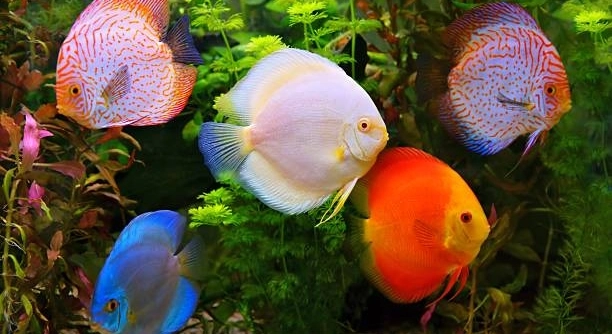
Discus fish are popular in home aquariums due to their vibrant colors and graceful movements. Keeping them healthy requires attention to their environment. Certain conditions and factors in the tank can cause stress and harm to these delicate fish.
Discus fish dislike poor water quality, inappropriate tank mates, sudden changes in temperature, overcrowding, excessive noise, improper lighting, and inadequate diet. These factors negatively affect their health, behavior, and overall well-being, making it essential to maintain optimal tank conditions.
Recognizing these dislikes helps create a better habitat for discus fish. Understanding and avoiding these common issues supports their health and longevity in a home aquarium.
Poor Water Quality
Maintaining clean water is crucial for discus fish health. They are sensitive to ammonia, nitrites, and nitrates, which can quickly build up in a tank. Frequent water changes and proper filtration help keep these toxins low. Untreated waste and leftover food increase harmful substances, stressing the fish and weakening their immune systems. Testing water parameters regularly ensures the environment stays within safe limits. Soft, slightly acidic water is best for discus fish. Hard or alkaline water can cause discomfort and health problems. Monitoring temperature and pH alongside chemical levels supports a stable environment. Proper water quality directly influences discus fish behavior and coloration. Neglecting it often results in sluggishness, fading colors, and increased disease risk.
Poor water conditions lead to stress and illness in discus fish, reducing their lifespan and quality of life.
Ensuring optimal water quality requires commitment to regular maintenance. Consistent water changes and a quality filtration system create a healthy habitat. Avoid overcrowding to reduce waste production. Use test kits to monitor chemical levels frequently. Removing uneaten food prevents toxin buildup. Adjust water parameters gradually to avoid shocking the fish. This care routine keeps discus fish vibrant and active, promoting long-term health.
Incompatible Tank Mates
Discus fish prefer calm and peaceful tank companions. Aggressive or overly active fish can cause stress and injury. Species that nip fins or compete aggressively for food are not suitable. Small, timid fish may be outcompeted for resources, leading to poor growth or health issues. It is important to research tank mates that share similar water needs and temperament. Peaceful species like tetras or certain catfish are usually better choices.
Choosing compatible tank mates reduces stress and aggression, fostering a peaceful aquarium environment.
Tank mates that fit well with discus fish contribute to their well-being and comfort. Aggression and territorial behavior disrupt discus fish, making them hide or become stressed. Avoid keeping them with fin-nippers or large, boisterous species that disturb their calm. Ideally, tank mates should thrive in the same temperature and water conditions. Compatibility minimizes stress-related illnesses and allows discus fish to display their natural behavior. Proper selection improves the overall balance and appearance of the tank. Regular observation helps identify and remove incompatible fish before problems escalate. This creates a safer, more stable habitat for discus fish to flourish.
Sudden Temperature Changes
Discus fish are very sensitive to temperature fluctuations. Rapid changes can shock their system and cause illness.
Maintaining a stable temperature between 82°F and 86°F is critical. Use a reliable heater and thermometer to monitor the tank closely. Sudden drops or spikes weaken the immune system, increasing susceptibility to disease. Avoid placing the tank near windows or vents where temperature swings often occur. When performing water changes, ensure the new water matches the tank’s temperature to prevent stress. Consistent temperature promotes healthy metabolism and activity.
A steady temperature creates a stable environment, allowing discus fish to thrive. Fluctuations cause stress that leads to poor feeding and faded colors. A controlled climate supports their natural behavior and reduces the risk of illness. Prevent temperature shocks by careful maintenance and monitoring, especially during seasonal changes or equipment failures.
Overcrowding
Too many fish in a tank causes stress and poor water quality. Discus fish need ample space to swim and establish territory.
Overcrowding leads to increased waste, raising harmful ammonia and nitrate levels. This results in poor water quality and frequent illness. Discus fish are territorial and may become aggressive if space is limited. A crowded tank also limits oxygen levels, making it harder for fish to breathe comfortably. Maintaining a ratio of one discus per 10 gallons or more is recommended.
Adequate space allows discus fish to swim freely and reduces stress. It encourages natural behavior and promotes healthy growth. Overcrowded tanks demand more frequent cleaning and water changes. Without enough room, discus fish may hide constantly or show signs of aggression. Careful stocking improves tank harmony and fish well-being.
Excessive Noise
Discus fish are sensitive to loud noises and vibrations. Constant disturbances can cause stress, making them shy or inactive.
Keep the aquarium in a quiet area away from heavy foot traffic, loud appliances, or sudden sounds. A calm environment helps discus fish feel secure and relaxed.
Improper Lighting
Discus fish thrive with moderate lighting that mimics their natural habitat. Too bright or too dim light disrupts their behavior and stress levels.
Avoid harsh or direct lighting. Use a timer to maintain a consistent day-night cycle. Proper lighting enhances their color and supports natural activity patterns.
Inadequate Diet
A poor diet affects discus fish health and coloration. They require a varied diet rich in protein and nutrients.
Feeding only flakes or pellets limits their nutrition. Supplement with frozen or live foods like bloodworms and brine shrimp. A balanced diet strengthens immunity and promotes vibrant colors.
FAQ
What is the ideal water temperature for discus fish?
Discus fish thrive in warm water, ideally between 82°F and 86°F. Keeping the temperature steady within this range reduces stress and supports healthy metabolism. Sudden temperature changes should be avoided, as they can shock the fish and cause illness. Use a quality heater and thermometer to maintain consistency.
How often should I change the water in a discus tank?
Water changes are crucial for discus health. It is recommended to replace 25-50% of the tank water weekly. Frequent water changes help remove toxins, reduce nitrates, and keep the water clean. Use dechlorinated water that matches the tank temperature to avoid stressing the fish.
Can discus fish live with other fish species?
Discus fish can live with peaceful species that share similar water requirements. Good companions include certain tetras, corydoras catfish, and dwarf cichlids. Avoid aggressive or fast-moving fish, as they stress discus and compete for food. Compatibility improves tank harmony and fish health.
Why is my discus fish losing color?
Color fading often results from stress, poor water quality, or inadequate diet. Maintaining stable water parameters and a varied diet rich in protein improves coloration. Overcrowding, aggressive tank mates, or temperature fluctuations can also cause stress, leading to dull colors.
How much space do discus fish need?
Discus fish require at least 10 gallons per individual to reduce stress and allow natural swimming behavior. Overcrowding leads to territorial aggression and deteriorated water quality. Providing enough space encourages healthier, more active fish.
What should I feed discus fish for best health?
A balanced diet includes high-quality flakes or pellets, supplemented with frozen or live foods like bloodworms, brine shrimp, and daphnia. Variety ensures they receive necessary nutrients for growth, immune support, and vibrant coloration. Feeding small amounts multiple times daily prevents overfeeding.
How can I tell if my discus fish is stressed?
Signs of stress include hiding, loss of appetite, rapid breathing, faded colors, and erratic swimming. Stress often results from poor water conditions, aggressive tank mates, or sudden changes in the environment. Identifying and correcting these factors is important for recovery.
Is it necessary to use a water conditioner in discus tanks?
Yes, using a water conditioner removes harmful chlorine, chloramines, and heavy metals from tap water. This makes the water safe for discus fish. Conditioning water before adding it to the tank prevents health issues and helps maintain stable water chemistry.
Can discus fish tolerate hard water?
Discus prefer soft, slightly acidic water. Hard or alkaline water can cause stress and health problems over time. Regular testing and adjustments to water hardness and pH help maintain suitable conditions, supporting discus fish well-being and longevity.
What lighting conditions are best for discus fish?
Moderate lighting with a regular day-night cycle suits discus fish best. Avoid harsh, direct light that can stress them. Using a timer ensures consistent lighting periods, which helps regulate their behavior and enhances natural coloration. Dim lighting mimics their natural habitat.
Final Thoughts
Maintaining a healthy environment for discus fish requires attention to detail and consistent care. These fish are sensitive to many factors, such as water quality, temperature, and tank companions. Ignoring these needs can lead to stress, illness, and even death. Ensuring stable water parameters by performing regular water changes and monitoring chemical levels is essential. Proper filtration and avoiding overcrowding help maintain cleanliness and balance. Keeping the tank temperature steady within the ideal range supports their health and natural behavior. Every step taken toward creating a stable habitat improves discus fish well-being and lifespan.
Choosing the right tank mates also plays an important role in keeping discus fish comfortable. Aggressive or fast-moving fish increase stress and cause injury. Selecting peaceful species that thrive in similar water conditions promotes harmony and reduces tension. Proper diet is another key factor. Discus fish need a varied and nutritious diet rich in protein. Feeding high-quality flakes or pellets, supplemented with frozen or live foods, strengthens their immune system and enhances their colors. Overfeeding or poor nutrition can weaken their health and lead to disease.
Noise, lighting, and sudden changes in the tank environment affect discus fish more than many realize. Loud noises and vibrations cause stress and hide behavior. Using moderate lighting that replicates their natural habitat encourages activity and coloration. Avoid sudden temperature or water parameter changes to prevent shock. Overall, discus fish require a careful balance of many factors. With steady attention to their environment and needs, discus fish can live healthy, vibrant lives. Consistency and proper care are the foundation for a successful discus aquarium.

Hello,
If you enjoy the content that we create, please consider saying a "Thank You!" by leaving a tip.
Every little bit helps us continue crafting quality advice that supports the health, happiness, and well-being of pets around the world, for pets of all shapes, sizes, and species.
We really appreciate the kindness and support that you show us!