
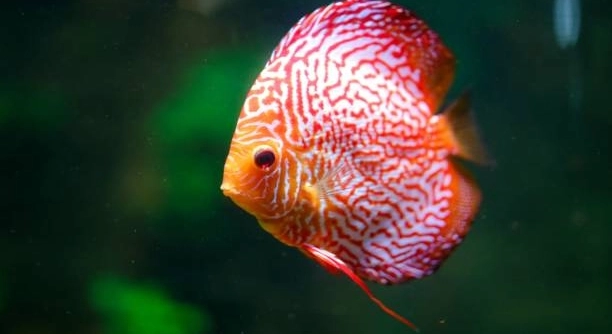
Discus fish are popular in home aquariums for their vibrant colors and peaceful nature. Like many animals, they show certain behaviors when they feel bored or unstimulated. Recognizing these actions can help improve their environment and wellbeing.
When discus fish experience boredom, they may display repetitive swimming patterns, decreased activity, hiding frequently, showing aggression, excessive fin flaring, reduced feeding response, and increased interaction with tank decorations. These behaviors indicate the need for environmental enrichment and stimulation.
Knowing what discus do when bored helps owners create a more engaging and healthy habitat for these delicate fish. The following details highlight common signs and effective responses.
Repetitive Swimming Patterns
Discus fish often swim in repetitive loops or back-and-forth patterns when they feel bored. This behavior is a sign that they are not mentally stimulated or that their environment lacks variety. In a natural habitat, discus have plenty of plants, hiding spots, and other fish to interact with. When kept in a simple aquarium with little decoration or activity, their boredom can show through repetitive swimming. This can also lead to stress, which affects their health and coloration. Adding plants, caves, or even rearranging tank decorations regularly helps break this cycle. Providing varied stimuli keeps discus active and engaged, improving their overall well-being.
Repetitive swimming is a clear indicator that your discus needs more environmental enrichment to stay healthy and happy.
By paying attention to these swimming behaviors, you can adjust their tank to promote better mental and physical health. Simple changes like adding floating plants or varying their surroundings encourage natural exploration and reduce boredom.
Reduced Feeding Response
When discus lose interest in food or eat less than usual, it often points to boredom or stress. They might ignore food that they typically enjoy or show hesitation during feeding times. This behavior signals that their tank environment might be dull or not stimulating enough. Feeding is not just about nutrition but also interaction and engagement. If discus don’t find feeding interesting, it affects their appetite and growth. To counter this, varying their diet with live or frozen foods, and offering food in different ways, such as scattered or on feeding rings, can help. This keeps feeding time exciting and encourages natural foraging behavior, which reduces boredom and promotes better health.
Feeding response can reflect the overall mental state of discus, highlighting the need for a stimulating environment.
Recognizing changes in feeding habits is important. You can introduce new foods or feeding techniques that make meals more engaging. Live foods like brine shrimp or bloodworms encourage natural hunting instincts, while frozen varieties add variety. Feeding in different parts of the tank or using feeding rings encourages movement and exploration, combating boredom. These small adjustments improve appetite and keep discus interested in their environment.
Hiding Frequently
Discus tend to hide more when bored or stressed. They may retreat behind plants, rocks, or decorations for long periods. This behavior shows they feel unstimulated or insecure in their environment.
Hiding is a sign that your discus might not be comfortable or engaged. When there’s nothing new or interesting in the tank, they seek shelter to avoid boredom or stress. Over time, frequent hiding can lead to health problems because the fish reduce their activity and feeding. Improving tank complexity with plants, caves, or rearranged decorations encourages them to explore rather than hide. Regular interaction with their surroundings helps build confidence and reduces the need for constant hiding.
In addition, discus often hide when water quality is poor or when tankmates become aggressive. Monitoring tank conditions and ensuring peaceful companions are essential. Providing ample hiding spaces along with a stimulating environment balances their natural instincts with mental engagement.
Increased Interaction with Tank Decorations
Discus may spend more time exploring and interacting with tank decorations when bored. They might nudge or swim around plants, rocks, or other objects frequently, trying to find something interesting to do.
This behavior reflects a need for stimulation and activity. In a well-decorated aquarium, discus use these objects to explore and feel secure. When bored, they become more focused on decorations to occupy themselves. Changing the tank layout or adding new elements regularly can prevent this repetitive interaction from becoming obsessive. Variety in the environment promotes natural curiosity and reduces boredom.
Decorations that mimic natural habitats, like driftwood and live plants, encourage healthy interaction and improve the fish’s overall mood. It’s important to maintain a balance so decorations provide interest without causing stress or territorial disputes.
Aggressive Behavior
Discus may show aggression when bored, such as chasing tankmates or flaring fins. This behavior often signals frustration or lack of stimulation.
Aggression can disturb the peaceful environment discus usually prefer. Keeping them engaged with proper enrichment reduces this behavior and promotes harmony in the tank.
Excessive Fin Flaring
Fin flaring becomes frequent when discus are restless or bored. They spread their fins wide to appear larger, which can signal stress or agitation.
Consistent fin flaring wastes energy and can lead to fatigue. Providing a calm, interesting habitat helps minimize this behavior and keeps discus comfortable.
Decreased Activity
When bored, discus tend to become less active, spending more time resting or staying still. This decrease in movement indicates low engagement with their surroundings.
Maintaining a stimulating environment with plants, varied tank decor, and occasional changes encourages discus to stay active and healthy.
Interaction with Owners
Discus sometimes show increased interest in their owners when bored. They may swim closer or follow movements outside the tank as a form of stimulation.
What causes boredom in discus fish?
Boredom in discus fish usually occurs when their tank environment is too simple or lacks variety. These fish come from complex natural habitats filled with plants, rocks, and other fish to interact with. When kept in a bare aquarium without enough hiding spots or stimulation, they have nothing to engage their senses or minds. Lack of environmental changes or new elements to explore can also lead to boredom. This is why creating a diverse and dynamic tank setting is important. Proper water conditions, appropriate tank mates, and a mix of decorations help keep discus mentally active and comfortable.
How can I tell if my discus fish are bored?
Signs of boredom in discus include repetitive swimming patterns, hiding more than usual, reduced feeding response, and increased aggression. You may also notice excessive fin flaring or the fish spending a lot of time interacting with tank decorations. Some discus become less active or, conversely, show heightened curiosity by following your movements outside the tank. Changes in behavior like loss of color or stress-related symptoms can also indicate boredom. Observing these signs early helps you adjust the tank environment before boredom affects their health.
What are the best ways to reduce boredom for discus fish?
To reduce boredom, enrich your discus tank with live plants, caves, and varied decorations. Rearranging the tank layout every few weeks introduces novelty. Feeding live or frozen foods encourages natural hunting behavior, which also combats boredom. Maintaining good water quality and peaceful tank mates reduces stress. Introducing gentle environmental changes keeps discus interested in their habitat. Providing enough space for swimming and exploration is important too. Consistent attention to their environment and behavior ensures a happier, healthier fish.
Can boredom affect the health of discus fish?
Yes, boredom can negatively impact discus health. Bored or stressed discus may eat less, leading to poor nutrition and weight loss. Prolonged stress weakens their immune system, making them prone to disease. Repetitive or aggressive behaviors caused by boredom can cause injury or exhaustion. Mental stimulation is crucial for their well-being, as it supports normal behavior and reduces stress. A well-maintained, enriching environment helps prevent these health issues and promotes longevity.
Is it normal for discus to hide a lot?
Discus do naturally hide at times, especially during rest or when feeling threatened. However, frequent or prolonged hiding often indicates boredom, stress, or poor tank conditions. When discus hide too much, it suggests they feel insecure or unstimulated. Increasing environmental enrichment and checking water parameters usually reduces excessive hiding. Ensuring peaceful tank mates and adequate space also helps discus feel secure enough to explore.
How often should I change the tank decorations for discus?
Changing tank decorations every few weeks to a month is beneficial. This introduces variety and new stimuli to keep discus interested in their environment. Small rearrangements or adding new plants and hiding spots promote natural exploration and reduce boredom. However, changes should be gradual to avoid stress. Sudden, drastic changes can cause insecurity. Monitor how your fish respond and adjust the pace of changes accordingly.
Can discus fish recognize their owners?
Discus fish can become familiar with their owners through regular interaction. They often notice movements near the tank and may swim closer or follow your hand during feeding. While this is not the same as recognition in mammals, it shows they respond to routine stimuli. Increased interaction with owners can be a way to relieve boredom and seek engagement.
Does adding tank mates help reduce boredom in discus?
Adding peaceful tank mates can help reduce boredom by providing social interaction and environmental diversity. Suitable companions like certain tetras or corydoras add movement and interest without stressing discus. However, tank mates must be carefully chosen to avoid aggression or competition for food. Overcrowding or incompatible species increases stress rather than reducing boredom. Observing fish behavior after introducing new tank mates is important to ensure harmony.
Are live plants important for discus fish tanks?
Live plants are very helpful for discus tanks. They improve water quality by absorbing nitrates and offer hiding spots and natural surroundings that mimic their habitat. Plants provide enrichment by encouraging exploration and reducing boredom. They also make the tank environment more stable and comfortable. Choosing hardy, low-maintenance plants suited for discus tanks supports their health and mental well-being.
What should I do if my discus fish suddenly become aggressive?
Sudden aggression in discus may signal boredom, stress, or poor water conditions. First, check water parameters and tank mates to rule out environmental causes. Increasing environmental enrichment with plants or hiding spots can reduce tension. If aggression continues, consider rearranging the tank or temporarily separating aggressive individuals. Monitor feeding to ensure all fish receive adequate nutrition. Adjusting the environment and routine often helps restore calm behavior.
Discus fish are beautiful and peaceful creatures that require careful attention to their environment. Understanding their behaviors, especially those that indicate boredom, is essential for keeping them healthy and happy. When discus show signs such as repetitive swimming, hiding often, or decreased feeding, it signals a need for change in their surroundings. Providing a stimulating and comfortable habitat helps reduce stress and encourages natural behaviors. Simple actions like adding plants, rearranging tank decorations, or varying their diet can make a significant difference in their overall well-being.
Creating a suitable environment for discus means balancing their need for security with opportunities for exploration. Live plants, caves, and other decorations offer safe hiding spots while also promoting curiosity. Regular changes to the tank’s layout prevent boredom by giving discus new things to discover. Feeding them live or frozen foods also engages their natural instincts and improves their appetite. Maintaining good water quality and peaceful tank mates is just as important because stress from poor conditions or aggression can worsen signs of boredom. Observing your discus closely helps identify when these adjustments are needed.
Taking the time to address your discus fish’s boredom benefits both the fish and the aquarium as a whole. A well-stimulated discus tends to be more active, vibrant, and healthy. It also creates a more interesting and lively tank for anyone who enjoys watching them. Paying attention to their behaviors and making small improvements supports their mental and physical health. With proper care and attention, discus can thrive in a home aquarium, showing their natural beauty and gentle nature for years to come.

Hello,
If you enjoy the content that we create, please consider saying a "Thank You!" by leaving a tip.
Every little bit helps us continue crafting quality advice that supports the health, happiness, and well-being of pets around the world, for pets of all shapes, sizes, and species.
We really appreciate the kindness and support that you show us!