
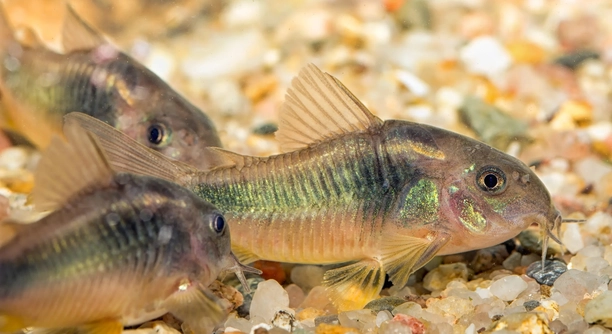
Corydoras catfish are known for their friendly and peaceful nature in aquariums. However, there are certain conditions they dislike that can negatively affect their well-being. Understanding what they hate can help provide a healthier environment for them.
Corydoras catfish dislike poor water quality, sudden temperature changes, bright lights, strong currents, overcrowding, rough substrates, and incompatible tank mates. To avoid these issues, maintain stable water conditions, a gentle flow, and provide suitable tank companions.
Taking these simple steps can improve the life quality of your Corydoras catfish.
Poor Water Quality
Corydoras catfish thrive in clean, well-maintained water. They are particularly sensitive to changes in water quality, and poor conditions can cause stress, weaken their immune system, and lead to health problems. Regular water changes are crucial to keeping your fish healthy. They prefer slightly acidic to neutral water with temperatures between 72 and 78°F. Additionally, ammonia, nitrites, and high nitrate levels should always be monitored to avoid potential harm. If the water quality is not up to standard, Corydoras may refuse to eat, develop diseases, or even die prematurely.
A proper filtration system is necessary to keep the water clean. Be sure to use a filter that doesn’t produce a strong current, as this can further stress out your fish. Maintaining these conditions ensures a peaceful and healthy environment where your Corydoras can thrive.
You can also add live plants in the aquarium. Plants help absorb excess nutrients and improve water quality. A well-maintained tank will provide your Corydoras with a stable environment, reducing the risk of illness and improving their overall well-being.
Sudden Temperature Changes
Corydoras catfish are sensitive to temperature fluctuations. Extreme changes in water temperature can cause stress and make your fish vulnerable to diseases. Keeping the water temperature stable between 72-78°F is essential for their health.
Using a reliable aquarium heater with a thermometer can prevent sudden shifts in temperature. Avoid placing the tank near windows, heaters, or air conditioners, as these locations may cause the water to heat up or cool down unexpectedly. A steady temperature will help your fish stay active and healthy.
Bright Lights
Corydoras catfish are nocturnal creatures, meaning they are naturally active at night and prefer dimmer lighting. Bright aquarium lights can stress them out, as they are not used to constant exposure to intense light. A dim light cycle is ideal for their well-being.
To accommodate their needs, consider using low-light aquarium fixtures or providing shaded areas where they can retreat when the lights are on. Adjustable LED lights can help regulate the intensity of the lighting. Additionally, you can use floating plants to create natural shadows in the tank. This mimics their natural habitat and makes them feel secure.
Keeping the lighting moderate also ensures your Corydoras are more comfortable. Bright lights can cause unnecessary stress and may affect their activity levels. This simple adjustment to your tank setup can make a significant difference in how well your fish adjust and thrive.
Strong Currents
Corydoras catfish prefer slow-moving water. They are not built for swimming in strong currents, which can exhaust them quickly and cause undue stress. A tank with powerful water movement can disrupt their natural behavior, making them less active and more likely to develop health problems.
To avoid strong currents, use a gentle filter that doesn’t create much turbulence in the water. If you have a powerful filter, you can diffuse the flow using sponge filters or baffles. It’s important to maintain a calm environment, as these fish feel more secure and will spend more time exploring the substrate for food. A quiet, peaceful tank will allow your Corydoras to feel more at ease and less likely to hide in stress.
A gentle current not only makes them more comfortable but also encourages natural behaviors, such as scavenging. By adjusting the flow rate in your tank, you provide a more suitable environment for your Corydoras, helping them live longer and healthier lives.
Overcrowding
Overcrowding your tank can lead to stress for your Corydoras catfish. Too many fish in a small space can reduce oxygen levels, increase waste, and lead to competition for food. This can negatively impact their health and behavior.
To avoid overcrowding, stick to the recommended stocking guidelines. A larger tank with fewer fish provides your Corydoras with more space to swim and explore. Proper filtration and regular water changes can help maintain a cleaner, healthier environment.
It’s crucial to give them room to roam, as overcrowding can lead to increased stress and illness. A spacious tank allows your Corydoras to live their best life.
Rough Substrates
Corydoras are bottom-dwelling fish, and their sensitive barbels are prone to injury from rough or sharp substrate. Substrates like gravel with sharp edges can cause physical harm, making them more susceptible to infections.
To keep your Corydoras safe, choose a fine, smooth substrate like sand. This will allow them to forage comfortably without the risk of injury. Sand mimics their natural habitat and is gentle on their barbels. It also helps maintain water quality by preventing waste buildup between rougher substrates.
A soft, smooth substrate is essential for their well-being and will encourage natural behavior, like burrowing.
Incompatible Tank Mates
Corydoras are peaceful fish and can get stressed when housed with aggressive or overly active tank mates. Larger, territorial fish may bully them, preventing them from feeding properly and causing them to retreat into hiding.
Choosing the right companions for Corydoras is vital. Opt for peaceful species that won’t challenge them for space or food. Small, calm fish like tetras or other bottom dwellers make ideal tank mates. Avoid predatory fish that may view Corydoras as food.
Creating a peaceful tank environment will help your Corydoras feel secure and healthy. Compatibility among fish species is key to fostering harmony in the tank.
FAQ
How often should I clean my Corydoras tank?
Cleaning your Corydoras tank is essential for maintaining a healthy environment. Perform partial water changes of about 25-30% every two weeks to keep the water quality high. Cleaning the substrate with a gravel vacuum is also important to remove any excess waste and uneaten food. Additionally, rinse the filter media monthly to prevent buildup, but avoid using tap water to rinse it, as this can kill beneficial bacteria. A well-maintained tank promotes a healthier environment for your Corydoras and reduces the risk of illness.
What is the ideal tank size for Corydoras catfish?
Corydoras catfish are small but active, so providing them with ample space is crucial. A tank size of at least 20 gallons is recommended for a small group of Corydoras. A larger tank is always better, as it provides more room for swimming and helps maintain stable water parameters. Corydoras do well in groups of at least five, and a larger tank allows them to have more space to roam and interact with one another.
Can Corydoras catfish live with shrimp?
Yes, Corydoras catfish can generally live peacefully with shrimp. Both species tend to inhabit different areas of the tank, with Corydoras staying near the substrate and shrimp occupying plants and higher areas. However, ensure the shrimp species are not too small, as young Corydoras might accidentally nibble on them. Larger shrimp, like Amano shrimp, are a good match. Always monitor their interaction, especially in a new setup, to ensure they coexist without problems.
Do Corydoras catfish require a filter?
Yes, Corydoras catfish benefit from a filter in their tank. A filter helps maintain water quality by removing toxins, excess nutrients, and debris. Corydoras prefer a gentle filter that does not create strong currents, as they are bottom dwellers. A sponge filter is a good choice, as it provides filtration without disturbing the water too much. Regular water changes and a filter work together to maintain a healthy environment for your Corydoras.
What do Corydoras catfish eat?
Corydoras are omnivores and enjoy a varied diet. Their natural diet consists of small invertebrates, worms, and plant matter. In your tank, provide a balanced diet of high-quality sinking pellets, algae wafers, and occasional live or frozen foods like bloodworms, brine shrimp, or daphnia. Be sure to offer a mix of protein-rich and plant-based foods to ensure they receive the necessary nutrients. Feeding them a variety of foods also prevents boredom and promotes better health.
How can I tell if my Corydoras catfish is stressed?
Stress in Corydoras can manifest in several ways. If your Corydoras is hiding more than usual, swimming erratically, or showing signs of illness like faded colors, rapid gill movement, or loss of appetite, it might be stressed. Stress can be caused by poor water conditions, incompatible tank mates, sudden temperature changes, or overcrowding. Ensure the tank’s parameters are stable and make any necessary adjustments to create a more comfortable environment for your fish.
Can Corydoras catfish live with bettas?
Corydoras and bettas can live together, but caution is needed. Bettas can be aggressive, especially toward other fish with long fins or bright colors. However, since Corydoras are bottom-dwelling fish, they tend to stay out of the betta’s territory, reducing the chance of conflict. Ensure your betta is not overly aggressive, and provide plenty of hiding spots for the Corydoras to escape if necessary. A peaceful tank setup with plenty of plants and decorations will help both species coexist more easily.
How do I breed Corydoras catfish?
Breeding Corydoras is relatively simple if the right conditions are met. To trigger breeding, ensure the tank water is clean, well-oxygenated, and within the proper temperature range (72-78°F). Corydoras will often spawn in response to water changes, so a partial water change with slightly cooler water can help induce breeding. The female will lay eggs on plants or decorations, and the male will fertilize them. Once the eggs are laid, they can be left in the tank, or you can remove them to prevent them from being eaten by other fish.
Are Corydoras catfish social?
Yes, Corydoras catfish are social creatures. They thrive in groups and should be kept in schools of at least five or more. In the wild, Corydoras live in large groups, which helps them feel safe and secure. Keeping them in groups also encourages natural behaviors like scavenging and social interaction. A solitary Corydoras may become stressed, which could lead to health problems. Therefore, providing a school of Corydoras helps keep them calm and active.
How long do Corydoras catfish live?
Corydoras catfish typically live for around 5 to 10 years, depending on the quality of care and the tank environment. Factors like water quality, diet, and tank size all play a role in their lifespan. Providing a stable, healthy environment with proper water parameters and regular maintenance will help ensure your Corydoras live a long, healthy life.
Final Thoughts
Corydoras catfish are peaceful, bottom-dwelling fish that are easy to care for, making them a great choice for both beginners and experienced aquarium owners. Their small size and gentle nature allow them to coexist with a variety of tank mates. They thrive in well-maintained tanks that have proper water conditions and enough space for them to swim and explore. With their active and social behavior, Corydoras are an enjoyable addition to any community tank. However, like any fish, they require attention to their specific needs to ensure they remain healthy and stress-free.
One of the most important factors in caring for Corydoras is maintaining good water quality. These catfish are sensitive to poor water conditions, so regular water changes and proper filtration are essential. Additionally, providing a tank with appropriate substrates, such as smooth sand, helps protect their delicate barbels and encourages natural behaviors like foraging. Overcrowding should also be avoided, as it can lead to stress, which can make Corydoras more susceptible to disease. By following these basic guidelines, you can create a stable and comfortable environment for your fish.
Corydoras catfish are relatively easy to care for but require attention to detail. Monitoring their health, keeping their environment clean, and feeding them a balanced diet will go a long way in ensuring they thrive in your aquarium. Whether you have a small tank or a larger community setup, these fish will add a peaceful and lively element to your aquarium. Their presence will enhance the overall balance of your tank, and with the right care, you can enjoy the company of these charming catfish for many years.

Hello,
If you enjoy the content that we create, please consider saying a "Thank You!" by leaving a tip.
Every little bit helps us continue crafting quality advice that supports the health, happiness, and well-being of pets around the world, for pets of all shapes, sizes, and species.
We really appreciate the kindness and support that you show us!