
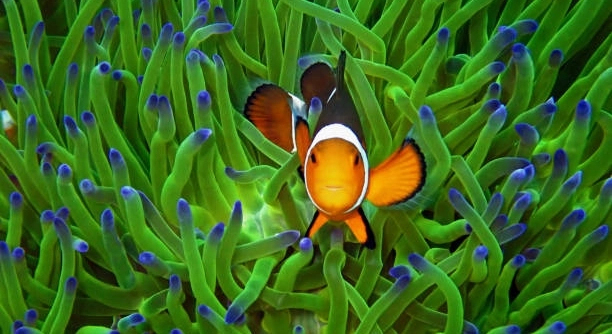
Clownfish are colorful and popular in home aquariums. They have interesting behaviors once they find a place to live comfortably. Observing what they do can help fishkeepers understand their needs better.
When clownfish are settled, they establish territory, interact with their host anemone, feed regularly, swim actively within their area, show social behaviors with other fish, maintain their health through cleaning habits, and rest in safe spots to conserve energy.
Knowing these behaviors will help you care for clownfish more effectively and create a better environment for them to thrive.
Establishing Territory
When clownfish settle into a new home, the first thing they do is claim a small area as their territory. This space usually surrounds the sea anemone they live with. They become very protective of this zone and may chase away other fish that come too close. Establishing territory helps clownfish feel safe and secure. It also allows them to find food and shelter easily without competition. The anemone provides protection from predators, so clownfish stay close. This behavior is natural and important for their survival. Over time, their territory may expand or change depending on the environment and other fish around them. Watching how they guard their space can show signs of their health and comfort. If a clownfish seems restless or stressed, it might be struggling to maintain its territory. Keeping a stable environment helps clownfish feel at ease and behave normally.
Clownfish defend their area by swimming aggressively at intruders and staying near their host anemone. This territorial behavior is key to their safety.
Understanding how clownfish claim and guard their space is important for anyone caring for them. It explains why they stay close to the anemone and why they sometimes appear aggressive. Clownfish form a strong bond with their home, which is why sudden changes in the tank can upset them. When their territory is respected, they display more natural behaviors and interact well with their surroundings. Creating a peaceful setting helps clownfish thrive, making them easier to watch and enjoy. Observing their territorial habits can also give clues about the health of the tank’s environment and other fish species present.
Interaction with the Host Anemone
Clownfish rely heavily on their host anemone for safety and comfort. They swim close to its tentacles, which protect them from predators thanks to the anemone’s stinging cells. In return, clownfish keep the anemone clean by removing debris and may help increase water circulation. This mutual relationship benefits both species. The clownfish’s presence can also attract other fish, which provides food for the anemone. Clownfish gently touch the anemone with their fins to avoid triggering its sting, showing a special adaptation. This connection is a key part of their survival in the wild and in aquariums. Without their host anemone, clownfish may become stressed and less active. Watching how clownfish interact with the anemone helps indicate their comfort level and overall health. It also highlights how important this relationship is in their daily life.
Feeding Habits
Clownfish feed several times a day once settled. They eat small bits of food like plankton and algae. Feeding regularly keeps their energy up and helps maintain their bright colors.
They often eat leftovers from the anemone’s meals or small organisms floating nearby. In captivity, it’s important to provide a balanced diet with pellets, flakes, or frozen food designed for marine fish. Feeding them in small amounts several times a day mimics their natural eating patterns and prevents overfeeding. Clownfish can be shy at first during feeding but become more confident as they get used to their environment. Their feeding habits also influence their interaction with other fish, as food is a key resource to defend in their territory.
Regular feeding encourages healthy growth and supports their active lifestyle. When clownfish are well-fed, they swim more energetically and show natural behaviors. Poor feeding can lead to dull colors and lethargy. Observing how clownfish eat can reveal a lot about their wellbeing and tank conditions. Keeping their diet varied and consistent ensures they thrive in captivity.
Social Behavior
Clownfish display clear social roles within their groups. They establish a strict hierarchy, with one dominant female leading and a few males below her.
The dominant female controls the territory and mating, while males help defend the area. If the female dies, the top male changes sex to take her place, a rare example of natural sex change in fish. Clownfish also communicate through body movements and sounds, helping maintain order in the group. Social interactions include gentle chasing and displays of dominance, which reduce conflicts. This social structure keeps the group stable and helps them survive together. Watching these behaviors can give insight into their wellbeing and group dynamics. It’s fascinating how clownfish balance cooperation and competition to maintain harmony in their small community.
Active Swimming
Clownfish swim actively within their territory, moving around their host anemone. This behavior helps them stay alert and healthy.
They explore their surroundings but rarely venture far from their safe zone. Active swimming also aids in finding food and avoiding threats.
Cleaning Habits
Clownfish often clean themselves and their host anemone. They remove dirt and parasites by rubbing against the anemone’s tentacles or rocks nearby. This behavior supports their health and the wellbeing of the anemone.
Keeping clean reduces disease risk and helps maintain the delicate balance in their environment.
Resting Spots
Clownfish rest quietly near or inside the anemone’s protection. They seek safe, sheltered spots where they feel secure during rest periods. Resting helps conserve energy for their active lifestyle.
FAQ
How do clownfish choose their host anemone?
Clownfish usually pick an anemone species that provides the best protection for them. They are naturally drawn to certain types of anemones, like the bubble-tip or carpet anemone, because these have tentacles that protect them well from predators. The clownfish develops a mucus coating that prevents it from getting stung. This mutual relationship is key to their survival. When introduced to a tank, clownfish will explore available anemones until they find one they feel comfortable with.
What should I feed my clownfish in captivity?
Clownfish thrive on a varied diet including pellets, flakes, and frozen or live foods such as brine shrimp or mysis shrimp. Feeding small amounts two to three times daily mimics their natural habits and prevents overfeeding. It’s important to avoid feeding them only one type of food to ensure they get all necessary nutrients. A balanced diet keeps their colors vibrant and supports good health.
Why do clownfish sometimes chase other fish?
Chasing is part of their territorial behavior. Clownfish protect their space aggressively, especially near their host anemone. They may chase other fish that come too close or threaten their territory. This behavior helps reduce competition for food and shelter. While it can look aggressive, it’s natural and shows they feel secure in their environment.
Can clownfish live without an anemone?
Yes, clownfish can survive without an anemone, but their behavior and health might change. Anemones provide protection and a place to rest, so without one, clownfish may be more stressed and less active. In tanks without anemones, clownfish often choose other safe spots, like rock crevices. Providing an anemone improves their quality of life but is not always required.
How do clownfish reproduce?
Clownfish form pairs and lay eggs on flat surfaces near their anemone. The male usually guards and tends to the eggs until they hatch. Clownfish are protandrous hermaphrodites, meaning the dominant male can become female if the current female dies. This ability helps maintain their social structure and ensures reproduction continues smoothly in their group.
What signs show a clownfish is stressed?
Signs of stress in clownfish include faded colors, erratic swimming, hiding excessively, and loss of appetite. Stress can come from poor water quality, lack of hiding places, or aggressive tank mates. Monitoring these signs early allows for quick action, such as improving tank conditions or separating fish to reduce tension.
How often should I clean a tank with clownfish?
Regular tank maintenance is vital. Partial water changes of about 10-20% weekly or biweekly keep the environment healthy. Cleaning algae and debris off surfaces prevents buildup that harms fish. Clownfish benefit from clean water, which supports their immune system and overall health. Avoid cleaning too aggressively to keep beneficial bacteria intact.
Do clownfish get along with other fish?
Clownfish can be territorial but often coexist with peaceful tank mates. They may chase or nip at fish that invade their territory but usually don’t cause serious harm. Choosing compatible species and providing enough space reduces conflicts. Their social nature means they can live well with others if their territory is respected.
Clownfish are fascinating creatures with many unique behaviors that show once they are settled in their environment. Understanding these behaviors helps us take better care of them and create a comfortable home for them in aquariums. From establishing territory and interacting with their host anemone to feeding regularly and resting safely, each action plays a role in their wellbeing. Watching these natural habits closely gives clues about their health and comfort. When clownfish feel safe and secure, they display their bright colors and lively personalities, which is rewarding for anyone who keeps them.
The relationship between clownfish and their host anemone is especially important. This connection provides clownfish with protection and shelter, while they help keep the anemone clean and healthy. This mutual support is one of nature’s interesting partnerships and shows how different species can rely on each other to survive. Clownfish also show social behavior by forming groups with a clear hierarchy. This structure helps maintain peace and order in their small community, showing how cooperation and competition balance their lives. Paying attention to these details helps owners understand clownfish better and improve their care.
Providing the right environment for clownfish involves regular feeding, cleaning, and respecting their territorial nature. Feeding them a varied diet in small portions mimics their natural habits and keeps them healthy. Maintaining clean water and enough hiding spots reduces stress and supports their active swimming and resting behaviors. Observing clownfish closely and learning about their needs makes it easier to spot any problems early. Overall, knowing what clownfish do when they’re settled allows for better care and a more enjoyable experience for anyone interested in these colorful fish.

Hello,
If you enjoy the content that we create, please consider saying a "Thank You!" by leaving a tip.
Every little bit helps us continue crafting quality advice that supports the health, happiness, and well-being of pets around the world, for pets of all shapes, sizes, and species.
We really appreciate the kindness and support that you show us!