
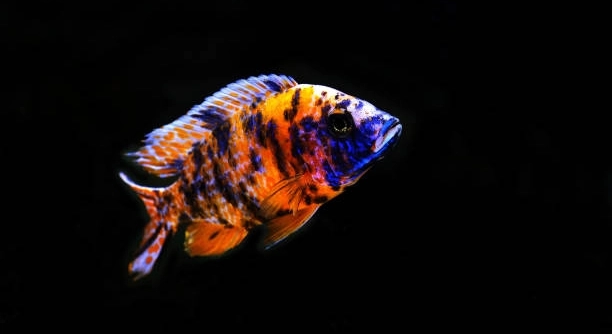
Cichlids are popular aquarium fish known for their vibrant colors and unique behaviors. Like all animals, they show signs when something in their environment is not right. Recognizing these signs helps keep them healthy and comfortable in their tanks.
When cichlids feel uncomfortable, they exhibit behaviors such as hiding more often, showing aggression, losing appetite, swimming erratically, changing color, breathing rapidly, or rubbing against objects. These actions indicate stress or poor water conditions that need attention.
Understanding these behaviors will help you create a better environment for your cichlids and address any discomfort they may experience in your aquarium.
Hiding More Often
When cichlids feel uncomfortable, they tend to hide frequently. This behavior is a way for them to avoid stressors in their environment. Changes such as poor water quality, overcrowding, or sudden movements can make them feel threatened. Hiding reduces their exposure to these stressors and gives them a sense of security. It is common to see cichlids retreat to caves, plants, or corners of the tank. Consistent hiding over time, however, suggests that something is wrong. It is important to check the tank’s conditions, including water parameters and tank mates. Improving their environment can encourage cichlids to become more active and display natural behavior again.
This hiding behavior signals that the fish need a safer, more stable environment. It is essential to respond quickly to avoid further stress.
Observing your cichlids’ hiding patterns can help you identify discomfort early. Adjusting tank conditions or reducing disturbances often resolves this behavior effectively.
Aggression and Erratic Swimming
Aggression is another common sign of discomfort in cichlids. When stressed, they may chase or nip at other fish more often. This behavior usually results from overcrowding, lack of hiding spots, or poor water conditions. Aggressive actions can escalate quickly and harm other fish in the tank. Erratic swimming often accompanies aggression. The fish may dart suddenly, swim in circles, or crash into tank walls. This movement indicates irritation or a reaction to environmental stress. Monitoring aggression and swimming patterns helps assess their well-being. Providing adequate space, hiding places, and maintaining clean water reduces aggression. Additionally, separating overly aggressive fish may be necessary to restore balance. Keeping a calm environment with stable conditions supports the health and comfort of cichlids. Addressing these behaviors promptly improves their overall quality of life.
Loss of Appetite
Cichlids often lose their appetite when uncomfortable. This behavior usually signals stress or illness and requires prompt attention. Monitoring feeding habits helps detect problems early.
Loss of appetite can result from poor water quality, sudden changes in environment, or the presence of aggressive tank mates. Stress weakens their immune system, making them vulnerable to diseases that further reduce feeding. If cichlids stop eating for more than a day or two, it is important to test water parameters like ammonia, nitrite, nitrate, and pH. Sometimes, adjusting diet or providing high-quality food can encourage eating. It is also helpful to isolate sick or stressed fish to reduce competition and improve recovery chances.
Providing a calm environment and stable conditions will help restore normal feeding habits. Regular monitoring and maintenance prevent long-term health problems linked to poor appetite.
Color Changes
Color changes in cichlids often indicate discomfort or stress. Dull or faded colors suggest an unhealthy environment or illness, while darkening might signal aggression or fear.
Environmental factors such as water temperature, lighting, and tank cleanliness influence cichlid coloration. Poor water conditions or sudden changes can cause colors to fade. Stress from aggressive tank mates or overcrowding may darken the fish’s body. Nutritional deficiencies also affect vibrant colors, making diet an important factor. Observing color shifts over time can help detect underlying issues early. Maintaining stable water parameters, providing proper diet, and minimizing stressors encourage bright, healthy colors. If color changes persist, consulting an expert or testing for disease is recommended to ensure the fish’s well-being. Regular care supports their natural appearance and overall health.
Rapid Breathing
Rapid breathing in cichlids is a clear sign of discomfort. It often indicates poor water quality or low oxygen levels in the tank. Immediate attention is necessary to prevent further health decline.
This behavior can also be caused by stress, disease, or temperature changes. Checking water conditions and ensuring proper aeration can help reduce rapid breathing.
Rubbing Against Objects
Cichlids rubbing against objects usually signal irritation or parasites. This behavior is a response to discomfort on their skin or fins. It often results from infections or poor water conditions.
Erratic Swimming
Erratic swimming shows that cichlids are stressed or unwell. They may dart suddenly, spin, or swim against the tank walls. This behavior disrupts their normal routine and signals a need for environmental or health checks.
FAQ
Why is my cichlid hiding all the time?
Cichlids hide when they feel threatened or stressed. Common causes include poor water quality, aggressive tank mates, or sudden changes in their environment. Hiding helps them feel safer, but constant hiding means the conditions need improvement. Check water parameters, reduce tank overcrowding, and provide plenty of hiding spots.
What causes aggression in cichlids?
Aggression often results from territorial disputes, overcrowding, or lack of hiding places. Stress can also increase aggressive behavior. Proper tank size, careful selection of tank mates, and enough decorations to create territories reduce aggression. Sometimes separating aggressive individuals is necessary.
How do I know if my cichlid is stressed?
Signs include hiding more, loss of appetite, color changes, rapid breathing, rubbing against objects, and erratic swimming. These behaviors often point to poor water quality, inappropriate tank conditions, or illness. Regular testing and tank maintenance help keep stress low.
Can poor water quality make my cichlid sick?
Yes, poor water quality is a major factor in cichlid health problems. High ammonia, nitrite, or nitrate levels can cause stress and disease. Regular water testing and changes, along with proper filtration, are essential to maintain a healthy environment.
Why is my cichlid changing color?
Color changes happen due to stress, illness, poor nutrition, or changes in water conditions. Dull colors usually mean stress or poor health, while darkening can signal aggression or fear. Improving diet and water quality often helps restore natural colors.
What should I do if my cichlid stops eating?
Loss of appetite is a serious sign. First, test water quality and check for signs of illness. Offer varied, high-quality food and reduce tank stressors. If the problem continues, isolate the fish and consult a vet or aquatic specialist.
How can I reduce my cichlid’s stress?
Keep the tank clean and stable with proper water parameters. Avoid sudden changes in temperature or lighting. Provide enough space and hiding places. Limit aggressive tank mates and handle fish gently during maintenance.
Why does my cichlid breathe rapidly?
Rapid breathing can indicate low oxygen levels, high toxins, or illness. Ensure good aeration, clean water, and stable temperature. If rapid breathing continues despite good conditions, health issues may require treatment.
Is rubbing against objects normal?
Occasional rubbing can be normal, but frequent or intense rubbing suggests irritation, parasites, or infection. Test water quality and inspect the fish closely. Treatment may be necessary to address skin problems.
What can cause erratic swimming?
Erratic swimming is a common stress or illness symptom. Causes include poor water quality, disease, parasites, or injury. Observing behavior and testing water can help identify problems. Improving tank conditions usually helps restore normal swimming patterns.
How often should I check my cichlid tank’s water?
Testing water weekly is a good practice, especially for ammonia, nitrite, nitrate, and pH levels. Regular checks help catch problems before they affect your fish’s health.
Can diet affect my cichlid’s behavior?
Yes, poor nutrition can cause stress, color loss, and health issues. Feeding a balanced diet designed for cichlids supports their immune system and natural behavior.
What tank conditions do cichlids prefer?
Most cichlids need clean, well-filtered water, stable temperature, and adequate space. They benefit from hiding places like rocks and plants. Specific preferences vary by species, so research your type of cichlid.
How do I know if my cichlid is sick?
Look for unusual behavior, color changes, loss of appetite, rapid breathing, or physical signs like spots or sores. Early detection and treatment improve recovery chances.
Should I quarantine new fish before adding them to the tank?
Quarantining new fish for two to four weeks helps prevent disease spread. This period allows observation and treatment before introducing them to the main tank. It protects existing fish and maintains a healthy environment.
Caring for cichlids requires attention to their behavior and environment. These fish communicate discomfort through clear signs such as hiding, aggression, loss of appetite, or color changes. Recognizing these behaviors early helps prevent serious health problems. Maintaining good water quality and providing enough space and hiding places can reduce most stress factors. Regular tank cleaning and water testing are essential to create a stable, healthy habitat. A calm environment supports their natural behavior and keeps them active and vibrant.
When discomfort signs appear, it is important to respond quickly. Changes in behavior often mean something in their environment needs adjustment. Checking water parameters like ammonia, nitrite, nitrate, and pH should be a regular part of aquarium care. Additionally, reviewing tank mates and ensuring the right number of fish per tank size helps reduce aggression and stress. Proper diet also plays a key role in keeping cichlids healthy. Feeding high-quality food designed for their needs supports their immune system and helps maintain their color and activity levels.
In summary, cichlids rely on their caretakers to provide a safe, balanced environment. Understanding what their behaviors mean allows you to improve their quality of life. Simple actions like monitoring water quality, offering proper nutrition, and reducing stressors make a significant difference. With consistent care and attention, cichlids can thrive and display their best colors and behaviors. Observing your fish regularly and acting on any signs of discomfort ensures a long and healthy life for your aquatic pets.

Hello,
If you enjoy the content that we create, please consider saying a "Thank You!" by leaving a tip.
Every little bit helps us continue crafting quality advice that supports the health, happiness, and well-being of pets around the world, for pets of all shapes, sizes, and species.
We really appreciate the kindness and support that you show us!