
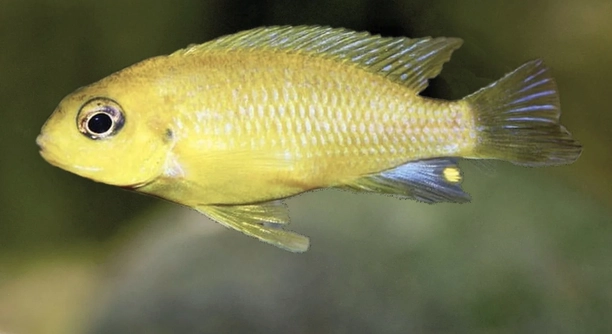
Cichlids are fascinating fish known for their bright colors and active behavior. Observing them in a tank can be enjoyable, especially when you notice their unique social interactions and territorial displays among each other.
Before cichlids engage in a fight, they exhibit specific behaviors such as flaring their fins, changing color, charging at one another, and establishing dominance through posturing. These actions serve as warnings and help minimize actual physical conflict.
Learning to recognize these early signs can help you manage your tank environment and prevent serious injuries among your fish.
Flaring Fins
When cichlids feel threatened or challenged, they often flare their fins to appear larger. This behavior is a common warning signal used to establish dominance without immediate confrontation. In my tank, I noticed my cichlids spreading their dorsal and pectoral fins widely, making them seem almost twice their normal size. The bright colors on their fins become more pronounced during this display, which can signal both aggression and health. It’s fascinating how such a small movement can communicate so much to other fish. Observing this behavior closely helps me anticipate conflicts before they escalate, allowing me to rearrange decorations or temporarily separate fish if needed. Over time, I realized that the intensity of flaring varies depending on the fish’s mood, the tank’s space, and even the time of day. Flaring is not just a random action; it’s a deliberate method to negotiate power without risking injury, showing how intelligent these fish can be in their interactions.
Flaring fins help cichlids assert dominance and warn others. This behavior is a key indicator of potential fights in confined spaces.
Watching my cichlids flare is always intriguing, as each fish shows a unique style of intimidation and confidence.
Color Changes
Cichlids often change color when they feel stressed or aggressive. In my tank, I noticed one male darken significantly when another male entered his territory. These color shifts act as signals to other fish, showing readiness to defend or attack. The changes can be subtle, like a faint darkening, or dramatic, with vivid patterns appearing instantly. Paying attention to these shifts helps prevent serious fights, as it signals when to give a fish more space. Stress, mood, and breeding status all influence these color changes. They are not permanent, but they can indicate ongoing tension in the tank. Over time, I learned to interpret these color patterns as communication, helping me understand which fish were dominant, submissive, or uneasy. Adjusting tank layout or providing hiding spots can reduce stress and lower aggression levels. Observing these changes daily gives insight into the social hierarchy within a cichlid group and allows better management of their environment for harmony and safety.
Color changes are a clear sign that a fight might be imminent, helping you react before things escalate.
Understanding and monitoring color shifts allows me to maintain peace in the tank. Each pattern tells a story about social rank and tension, which can guide decisions on feeding, tank space, or separating aggressive individuals. By keeping notes on these patterns, I can predict conflicts before they result in injury. This careful observation has made managing multiple males much easier, and it also gives a deeper appreciation for how expressive these fish are. The shifts aren’t random; they are precise messages about mood and intention. Over time, I noticed even subtle flashes of color could prevent a full fight if I intervened early. Knowing what each fish’s color signals means I can balance dominance and submission within the tank. This knowledge has transformed how I care for my cichlids, creating a more stable and visually stunning environment for everyone.
Charging and Ramming
Cichlids often charge at each other as a warning or to establish territory. This behavior is aggressive but sometimes more about testing boundaries than causing injury. In my tank, even brief charges can make smaller fish retreat immediately.
Charging is a common display where cichlids swim quickly toward each other, sometimes making contact with their bodies. This action is usually preceded by flaring fins and color changes. In my experience, it’s a way to assert dominance without a full fight. The speed and force vary depending on the fish’s size and confidence. Often, a quick ram is enough to make the other fish back down, preventing prolonged conflict. This behavior can be stressful to both fish, so observing it closely allows timely intervention. Providing rocks or hiding spaces helps reduce repeated charges, letting each fish establish its own territory safely. Over time, I’ve noticed that frequent charging often signals an ongoing hierarchy dispute among males.
Even if it looks aggressive, charging is more about establishing rank than causing harm. Watching this helps me prevent serious injuries before they occur.
Posturing and Display
Cichlids use posture to communicate strength and intentions. They tilt their bodies, raise fins, and maintain eye contact to signal dominance or challenge. I often see my fish adopting exaggerated stances near borders of their territory.
This behavior involves subtle movements like angling the body sideways or widening the gill covers. Posturing allows cichlids to intimidate rivals without direct fighting. In my tank, I noticed males hold these positions longer when territory is limited or during breeding periods. Observing posture patterns helps me understand social hierarchies and predict potential clashes. Posturing can last several minutes, with both fish sizing each other up. If ignored, it may escalate into charges or bites. Over time, I’ve learned to rearrange tank decorations or provide visual barriers to reduce prolonged standoffs. This approach keeps stress lower and allows more peaceful coexistence among territorial fish.
Strong displays and postures are clear indicators of tension and potential conflict. Monitoring these movements helps manage aggression in confined spaces effectively.
Gill Flaring
Cichlids flare their gills to appear larger and more threatening. In my tank, this happens right before a fight or when defending territory, making the fish look wider and more intimidating to rivals.
Gill flaring signals aggression and dominance. I often notice smaller fish retreat quickly when a larger one flares its gills, reducing direct confrontations.
Tail Slapping
Tail slapping is a quick, forceful movement used to warn other cichlids. I’ve seen my fish use it near boundaries, sending a clear message without immediate physical attack. This behavior creates ripples in the water and can startle rivals, helping establish dominance or discourage intrusion.
Chasing
Cichlids chase intruders to enforce territory. In my tank, the dominant fish often pursues subordinates around rocks or plants, making them retreat to safer spots. This behavior is repeated until the weaker fish submits or moves away from contested areas, reinforcing social order and minimizing serious injuries.
Nest Guarding
Cichlids guard nests aggressively to protect eggs or fry. I often watch my fish patrol around rocks or sandy areas, staying close to their young and chasing away intruders to ensure their offspring remain safe.
How can I tell if my cichlids are about to fight?
Cichlids show several clear signs before a fight. I usually notice flaring fins, gill spreading, or sudden color changes. They may also posture by angling their bodies sideways and staring directly at rivals. In my experience, tail slapping or quick charges often follow these warnings, especially when territory or breeding sites are involved. Watching these behaviors closely helps prevent injuries, as early intervention can calm tensions or allow me to separate aggressive fish temporarily.
Why do cichlids change color before fighting?
Color changes are a communication tool for cichlids. In my tank, dominant males darken or display vivid patterns when challenged. Submissive fish may pale or lose their usual brightness. This shift signals stress, readiness to defend territory, or intention to intimidate others. Understanding these changes allows me to anticipate conflicts and rearrange tank decorations, giving stressed fish hiding spots. Over time, reading color patterns has helped me manage aggression effectively and maintain a more peaceful tank environment.
What does gill flaring indicate in cichlids?
Gill flaring is a warning behavior. When my fish flare their gills, it signals dominance and aggression. It’s meant to make the fish appear larger and deter challengers without actual fighting. I often see smaller fish retreat immediately when a dominant individual flares its gills. This behavior is crucial for establishing social hierarchies and preventing unnecessary injuries.
Is chasing normal behavior among cichlids?
Yes, chasing is a typical territorial behavior. I watch dominant cichlids pursue intruders to enforce boundaries, especially around preferred rocks or breeding sites. Chasing helps weaker fish learn their place and prevents prolonged fights. Providing hiding spots and enough space reduces stress from repeated chasing, ensuring all fish coexist safely.
How should I manage aggressive cichlids?
Managing aggression requires observation and tank adjustments. I separate overly aggressive individuals if fights persist. Rearranging rocks or adding barriers can break line-of-sight and reduce confrontations. Providing multiple hiding spots allows submissive fish to escape and reduces stress. Regular monitoring of color changes, flaring, and posturing helps me predict conflicts before they escalate, keeping my tank safer for all fish.
Do cichlids always fight when showing these behaviors?
Not always. Many of these behaviors, like flaring fins or posturing, are warnings meant to avoid physical fights. I’ve seen my fish back down after a display, which maintains hierarchy without injuries. Only when a fish ignores signals or territory is repeatedly challenged do actual fights occur.
Can breeding increase aggression in cichlids?
Yes, breeding significantly raises aggression. I notice my fish become more territorial when guarding eggs or fry. Nest guarding, chasing intruders, and increased posturing are common. Providing separate breeding areas and hiding spots for other fish helps reduce stress and potential injuries during these periods.
Are there ways to prevent cichlid fights in a shared tank?
Yes, careful tank management helps. I make sure there is enough space, hiding spots, and visual barriers. Adding more rocks or plants allows fish to establish individual territories. Monitoring early warning signs like color changes, flaring, and posturing lets me intervene before conflicts escalate. Balancing fish numbers and sizes also prevents domination by a single aggressive fish.
What should I do if a fight occurs?
If a fight happens, I separate the fish immediately to prevent serious injuries. I check for wounds and treat them if needed, keeping the injured fish in a quarantine tank until fully healed. Adjusting tank layout after a fight helps reduce future aggression and ensures each fish has enough space to feel secure.
Do all cichlid species display the same pre-fight behaviors?
Most cichlids show similar warning behaviors, but intensity varies by species. In my tank, some species flare more, while others rely on chasing or color changes. Observing your specific cichlids regularly is important to understand their unique signals and manage aggression effectively.
Cichlids are active and intelligent fish that communicate in many ways before a fight. Observing their behavior closely can help prevent injuries and keep the tank environment stable. Over time, I have learned to recognize their warning signs, including flaring fins, gill spreading, color changes, and chasing. Each of these actions signals stress, dominance, or readiness to defend territory. Even subtle movements, like a slight tilt of the body or a flick of the tail, can indicate tension. By paying attention to these cues, it is possible to manage aggressive interactions without interrupting the natural social behavior of the fish. Understanding these behaviors has made my experience with cichlids more rewarding, as I can provide the space and conditions they need while maintaining harmony in the tank.
Managing aggression among cichlids often requires careful adjustments in the tank setup. Providing hiding spots, such as rocks, caves, and plants, helps reduce direct confrontations. Rearranging decorations occasionally can prevent certain fish from claiming a single area as their permanent territory, which often triggers repeated displays of dominance. Space is also crucial; overcrowded tanks increase stress and the likelihood of fights. I have found that observing how fish interact with each other over time allows me to anticipate conflicts and separate fish temporarily if needed. Some behaviors, like tail slapping or posturing, are more about communication than actual fighting, but repeated signals can escalate if ignored. By creating a structured environment that respects territorial needs and natural behaviors, it is possible to maintain a calmer tank and reduce injuries.
Watching cichlids and understanding their pre-fight behaviors has deepened my appreciation for these fish. Each display, charge, or color change tells a story about hierarchy, stress, or reproductive instincts. Responding to these behaviors thoughtfully, rather than trying to eliminate aggression entirely, has made my tank more balanced. Over time, I have learned which fish are more dominant, which are more submissive, and how to provide space for both. Paying attention to these patterns allows for better care and ensures the fish remain healthy and active. By combining observation, thoughtful tank arrangement, and occasional intervention when necessary, I have been able to maintain a peaceful environment where cichlids can express their natural behaviors safely.

Hello,
If you enjoy the content that we create, please consider saying a "Thank You!" by leaving a tip.
Every little bit helps us continue crafting quality advice that supports the health, happiness, and well-being of pets around the world, for pets of all shapes, sizes, and species.
We really appreciate the kindness and support that you show us!