
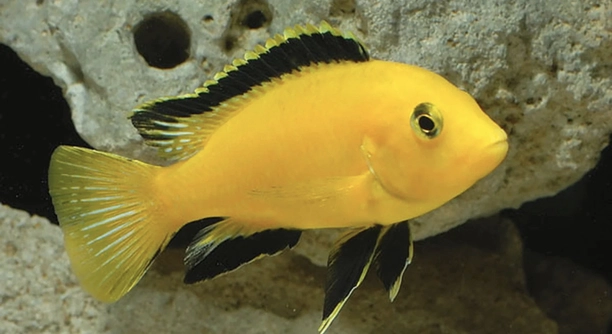
Cichlids are fascinating fish that often behave differently depending on their environment. Many aquarists choose bare tanks for easier cleaning and observation. Watching how these fish adapt can reveal surprising habits and behaviors worth noticing.
In bare tanks, cichlids display distinct behaviors compared to planted or decorated aquariums. They often dig more actively, establish territories clearly, show increased aggression, and may alter feeding patterns. These behavioral changes are responses to the lack of hiding spaces and substrate.
Observing these changes can help aquarists better understand their fish and create a more suitable living environment for them. Small adjustments can make a noticeable difference in their well-being.
Increased Digging and Rearranging
Cichlids in bare tanks often dig more than in planted tanks. Without substrate or decorations to hide, they focus on the tank bottom, moving gravel, small rocks, or any loose objects. This behavior is natural, as cichlids instinctively dig to create spaces that feel secure or suitable for laying eggs. I’ve noticed that even small tanks can become chaotic with constant digging. Over time, this activity shapes the tank’s layout entirely according to the fish’s preferences. Some species may create depressions or small pits, while others push materials toward corners. Digging can also help reduce boredom, as cichlids actively interact with their surroundings. Even without plants, the tank feels dynamic because of their constant motion. Watching them rearrange objects repeatedly reveals their strong territorial instincts and need for control over their environment. This behavior is typical and usually not harmful unless objects are sharp or unsafe.
Digging in bare tanks is more frequent and intense, as fish compensate for the lack of hiding spots and substrate variations.
Observing how cichlids dig helps you adjust tank design to prevent stress or injury, keeping their habitat safer and more comfortable.
Clear Territorial Displays
Cichlids in bare tanks often show their territories more openly. Without plants or decorations to break up space, each fish marks its area visibly through posturing, chasing, and specific swimming patterns.
Territorial behavior becomes more noticeable in bare tanks because fish have fewer visual barriers. They will stake out corners, edges, or the middle of the tank, often using body postures and fin displays to assert dominance. In my own tank, I noticed a single fish claiming a large open area, pushing others away with gentle nudges or fast swims. This can increase aggression between tank mates if the space is limited. Clear boundaries are sometimes reinforced through digging or rearranging small objects, which helps the fish feel more secure. Over time, these displays establish a hierarchy within the tank, reducing constant fights but increasing occasional skirmishes. Owners may notice changes in feeding order, swimming routes, and resting spots, all influenced by territorial claims. Understanding these patterns helps in planning tank layout, adding temporary barriers, or adjusting stocking levels to reduce stress and maintain balance.
Would you like me to continue with the next two sections in the same format?
Altered Feeding Habits
Cichlids in bare tanks often change how they eat. With no plants or decorations to explore, they may feed more quickly or become more selective with food. I’ve noticed mine often hover over pellets longer, inspecting each piece before consuming it.
Feeding behavior changes because bare tanks remove the distractions and hiding spots fish usually use. Some cichlids become more aggressive at feeding times, chasing others away to secure food. Others may develop slower, careful eating habits if they feel exposed. In my tank, I observed certain fish waiting near the surface while others dug slightly, showing a mix of patience and assertiveness. These habits can influence growth, health, and tank harmony over time. Adjusting feeding routines, portion sizes, or timing can help balance these behaviors and reduce stress during meals.
Food exploration also shifts when bare tanks lack natural cover. Fish may sample multiple pieces or swim across the tank repeatedly, checking each spot. This keeps them active but requires observation to prevent overeating or food waste.
Enhanced Social Interactions
Cichlids often interact differently without decorations or plants to hide behind. They rely more on visual cues, swims, and fin displays to communicate, creating a more open social dynamic in the tank.
Social interactions become clearer in bare tanks, as nothing obstructs sight lines. Fish can see each other constantly, which amplifies dominance displays, play-like chasing, and territory negotiation. I noticed that my cichlids follow each other more closely, often forming temporary alliances or groups around food. These behaviors are subtle but noticeable, such as a flick of the fin or a short chase. Increased visibility allows me to monitor stress levels and relationships more easily, making tank management more predictable.
Bare tanks also make observing bonding or conflicts easier. Some fish spend longer together, while others establish strict personal zones. Understanding these patterns helps me adjust tank size, add visual barriers, or rearrange objects temporarily to maintain a balanced social environment. Consistent observation is key to preventing prolonged stress or injury, ensuring each fish feels secure while interacting freely with others.
Increased Swimming Patterns
Cichlids in bare tanks often swim more openly. Without obstacles, they cover the entire tank, exploring every corner and surface more frequently than in decorated tanks.
Open swimming encourages natural exercise. I’ve noticed my fish follow curved paths, circle each other, and maintain alertness, which seems to reduce boredom and keeps them active throughout the day.
Visible Stress Signals
Stress is easier to observe in bare tanks. Changes in color, rapid fin movements, or hiding near tank edges become apparent. Fish display subtle cues indicating discomfort or agitation, allowing for timely adjustments to their environment.
Monitoring these signs has helped me prevent conflicts. I noticed that adding temporary barriers or small rocks can reduce stress quickly. Keeping a close eye on behavior allows me to intervene before aggression escalates, ensuring my cichlids remain healthy and calm. Regular observation is essential, especially in tanks without cover, as stress can affect feeding, growth, and social interactions over time.
Increased Territory Conflicts
Cichlids in bare tanks may fight more often. With fewer hiding spots, fish defend spaces aggressively, which can lead to temporary stress and minor injuries.
Easier Observation of Health
Bare tanks make it easier to spot health issues early. Changes in skin, fins, or swimming patterns are visible, allowing for faster response and treatment.
FAQ
Why do cichlids dig so much in bare tanks?
Cichlids dig instinctively, even without substrate or plants. Digging helps them feel secure, create potential spawning areas, and explore their environment. In bare tanks, there’s nothing to cover or hide behind, so digging becomes a main activity. I’ve noticed that some species will push any loose gravel or small decorations toward corners or edges. This behavior is normal and helps relieve boredom, but it’s important to ensure nothing sharp or dangerous is in the tank to prevent injury.
Will cichlids fight more in bare tanks?
Yes, conflicts are more noticeable in bare tanks. Without plants or decorations, there are fewer hiding spots, making territorial disputes more obvious. Fish rely on visible boundaries, body displays, and chasing to establish dominance. I’ve observed temporary scuffles that settle once hierarchy is understood. Providing temporary barriers or rearranging objects can reduce tension and prevent injuries.
Do bare tanks affect feeding habits?
Feeding behavior changes in bare tanks because there are no hiding spots or distractions. Some fish eat faster, while others inspect food more carefully before consuming it. I’ve noticed my cichlids hover over pellets and move them around before eating. Adjusting feeding portions and schedules helps reduce aggression and ensures all fish receive enough nutrition.
Are cichlids stressed in bare tanks?
Stress is easier to spot in bare tanks. Changes in color, rapid fin movements, or unusual swimming patterns indicate discomfort. I’ve found that some fish may appear tense initially but adapt over time. Adding temporary barriers, small rocks, or rearranging the tank can reduce stress levels and help fish feel more secure.
Do bare tanks influence breeding?
Bare tanks can affect breeding by making territories and nesting areas more visible. Some species may dig shallow pits for spawning or claim open spaces. I’ve seen fish select specific corners for laying eggs. While there’s less natural cover, breeders can provide flat rocks or small caves to encourage successful spawning. Monitoring interactions ensures eggs and fry remain safe from aggression.
Is it harder to maintain water quality in bare tanks?
Bare tanks are actually easier to clean, which helps maintain water quality. Without plants or heavy decorations, debris accumulates in fewer areas and can be removed efficiently. I’ve noticed less buildup of detritus and algae, making routine maintenance simpler. Regular water changes and monitoring remain essential for a healthy tank.
How do social interactions change in bare tanks?
Social dynamics become more visible in bare tanks. Fish can see each other constantly, which highlights dominance displays, chasing, and group formations. I’ve observed temporary alliances during feeding or resting periods. Being able to see all interactions helps me identify aggression early and manage tank balance effectively.
Do cichlids stay healthier in bare tanks?
Health observation improves in bare tanks. Changes in fins, scales, or swimming behavior are easier to detect. I’ve caught early signs of fin damage or color fading because nothing blocked my view. While bare tanks don’t directly make fish healthier, they allow quicker responses to problems, which improves overall well-being.
Are there specific species that adapt better to bare tanks?
Some cichlids handle bare tanks more easily than others. Aggressive, territorial species often adapt quickly because they prefer open spaces to display dominance. I’ve noticed certain dwarf cichlids may need occasional hiding spots to reduce stress, while larger species thrive with open territory and fewer obstacles.
Can I make a bare tank more engaging for cichlids?
Yes, adding small rocks, flat stones, or temporary barriers encourages natural behaviors without cluttering the tank. I’ve used movable objects to give fish control over their environment. Even minimal adjustments create enrichment, reduce stress, and allow cichlids to express their instincts safely.
This FAQ covers the most common issues and behaviors observed in bare tanks. Observing your fish carefully and making small adjustments ensures a healthier and more balanced environment for them.
Cichlids behave in unique ways when kept in bare tanks. Without plants, decorations, or heavy substrate, their natural instincts become more obvious. They dig, rearrange, and stake out territories more clearly than in decorated aquariums. These behaviors are normal and should not be mistaken for stress or misbehavior. Observing them over time helps aquarists understand their needs better. Each cichlid species may behave slightly differently, but most will interact more openly, making it easier to monitor health, social interactions, and feeding habits. In my experience, the lack of obstacles allows for a clearer view of daily activity, which can help in managing their environment and ensuring all fish are thriving.
Bare tanks can highlight both the benefits and challenges of cichlid care. On one hand, they make cleaning and maintenance simpler, as there are fewer surfaces for debris to accumulate and water flow is not blocked by decorations or plants. On the other hand, aggressive or territorial behaviors may appear more pronounced. Fish may chase each other more openly, claim larger areas, or compete for food more visibly. While this may look concerning at first, these actions are often part of establishing social hierarchies and natural routines. By adding minimal elements such as flat rocks, small hiding spots, or temporary barriers, you can help reduce stress while maintaining the openness of the tank. I have found that small adjustments can make a noticeable difference in how peaceful the fish appear, even in otherwise bare setups.
Overall, bare tanks offer a clear view of cichlid behavior and make daily observation easier. Watching how they feed, swim, and interact helps aquarists respond quickly to any health or social issues. While some may worry that bare tanks are too empty, the openness encourages activity, natural digging, and visible territorial displays. These behaviors allow fish to express their instincts freely, which can improve overall well-being. Careful observation, minor adjustments to layout, and attention to individual needs are all that is required to keep a healthy, balanced tank. For anyone keeping cichlids, understanding how they adapt to bare tanks provides insight into their personality, preferences, and natural behaviors, helping create an environment where they can thrive while keeping the tank manageable and enjoyable to maintain.

Hello,
If you enjoy the content that we create, please consider saying a "Thank You!" by leaving a tip.
Every little bit helps us continue crafting quality advice that supports the health, happiness, and well-being of pets around the world, for pets of all shapes, sizes, and species.
We really appreciate the kindness and support that you show us!