
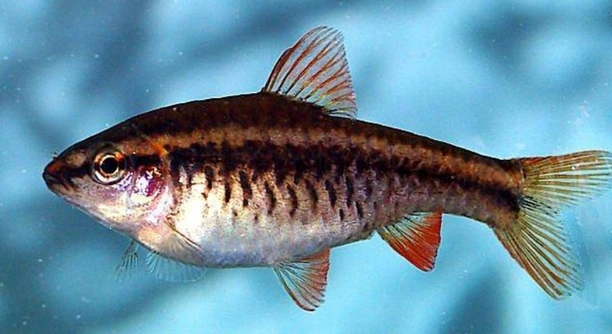
Are your cherry barbs acting strange and hiding more often than usual, leaving you concerned about what might be wrong?
Cherry barbs display specific behaviors when they feel unsafe, including hiding in plants, losing color, swimming erratically, avoiding food, clustering tightly, becoming inactive, and aggressively chasing tank mates. These actions signal stress or perceived threats.
Understanding these subtle signals can help you create a more peaceful environment and ensure your cherry barbs feel secure in their underwater home.
They Start Hiding More Often
Cherry barbs tend to seek out hiding spots when they feel threatened or uncomfortable. You might notice them slipping behind plants, under rocks, or into decorations more than usual. This isn’t just a game—they’re trying to avoid perceived dangers. Changes in water conditions, new tank mates, or loud noises outside the tank can all make them feel unsafe. While occasional hiding is normal, a sudden increase is something to pay attention to. It’s their way of telling you that something feels off. Try checking your water quality, temperature, and filtration system. Also, avoid sudden lighting changes or vibrations near the tank. Cherry barbs are small, sensitive fish, and even minor stressors can push them into hiding. If they stay hidden for long periods, it could affect their appetite and overall health.
Hiding often means they’re under stress, and stress can lead to illness if the root cause isn’t addressed.
A comfortable tank setup with plenty of plants and consistent conditions helps cherry barbs feel secure. If they still hide more than usual, it’s worth reviewing recent changes or disruptions. Catching issues early can make a big difference in their behavior and overall well-being.
Their Color Begins to Fade
Faded color in cherry barbs is usually linked to stress or poor conditions in the tank.
When cherry barbs feel unsafe, one of the first physical signs you’ll notice is a loss of their bright red color. Stress affects how their pigments show up, and their bodies may take on a dull, pale appearance. This change is often a response to things like fluctuating water temperatures, ammonia spikes, or being bullied by other fish. Even overhandling or too much movement around the tank can trigger this response. It’s not just about looks—color loss is a clear signal that they’re not comfortable. If you notice this, start by checking the water parameters with a reliable test kit. Also, take a look at their environment. Are they being chased? Is there enough hiding space? Even strong lighting or loud noise can play a part. Fixing these issues and keeping things calm and stable often helps their color return.
They Swim Erratically
Erratic swimming usually means your cherry barbs are uncomfortable or reacting to stress in the tank.
You might see them darting back and forth, swimming in tight circles, or rushing toward the glass repeatedly. This kind of behavior isn’t normal and often signals that something is wrong. It could be poor water quality, a sudden change in pH, or a buildup of toxins like ammonia or nitrites. Sometimes, it’s caused by aggressive tank mates that make your cherry barbs feel threatened. Noise, temperature shifts, or even bright lights can also cause them to panic. These movements take a toll on their energy and may lead to exhaustion if it continues. Watching for these sudden changes helps you fix the issue quickly and reduce long-term stress on your fish.
Erratic movement puts stress on the body and can weaken the immune system. When this happens often, it may lead to infections, injury, or even early death. Taking action quickly helps them calm down and prevents worse outcomes. Make sure to test your water regularly, provide hiding spaces, and keep a consistent daily routine. Creating a calm environment helps restore normal swimming patterns and improves their overall health. Stability and quiet surroundings really do matter to a small fish like the cherry barb.
They Stop Eating
Loss of appetite is a strong indicator that your cherry barbs don’t feel safe or well in their tank.
When cherry barbs stop coming up for food or ignore what you feed them, they’re probably feeling stressed or unwell. This could be due to overcrowding, water imbalances, or being constantly chased by other fish. Hunger strikes are not always about the food itself—they’re often about how secure they feel. If you notice uneaten food sinking to the bottom, that’s a clear sign to investigate further. Start with water testing and observe interactions in the tank. Food refusal shouldn’t be ignored, as it leads to weakness, illness, and sometimes death.
Over time, not eating can severely affect their health. Their bodies become weaker, they become more vulnerable to disease, and their color may fade even more. You might also notice slower movements or staying near the tank bottom. If the issue isn’t resolved, they might isolate themselves and lose interest in other natural behaviors. It’s important to act quickly by identifying the stressor and adjusting the environment. Try feeding smaller portions and offering foods they’re used to, while also keeping the tank calm and stable. Sometimes, a little peace and quiet is all they need to feel safe enough to eat again.
They Cluster Tightly Together
Cherry barbs tend to group up tightly when they feel unsafe. This behavior is instinctive and makes them feel more protected. They may stay close, especially in corners or near dense plants, avoiding open water in the tank.
This clustering helps reduce stress by creating a sense of security. It’s common in tanks with too much movement, loud noise, or sudden changes in lighting. When they feel safer, they will start to spread out and swim more normally again.
They Become Inactive
Cherry barbs may become noticeably still or hover near the bottom of the tank when they feel unsafe. This inactivity is not a sign of rest—it’s often linked to high stress, sickness, or poor tank conditions. They may stop exploring and lose interest in their surroundings. In severe cases, they might hide and barely move for long periods. If this happens, check the temperature, water quality, and observe for signs of disease. Creating a stable and quiet space usually helps them regain their natural energy and behavior. It’s important not to ignore this change, even if it seems small at first.
They Start Chasing Other Fish
Cherry barbs may chase tank mates when they’re stressed or feel their space is threatened. This behavior can be confused with play, but it’s usually a sign of discomfort or dominance when they don’t feel safe.
FAQ
Why do my cherry barbs keep hiding all the time?
Cherry barbs hide more often when they’re feeling anxious or unsafe. This could be caused by sudden environmental changes like poor water quality, new tank mates, or loud noises near the tank. Hiding gives them a sense of security and helps reduce their stress. If they’re hiding more than usual, check your water parameters, temperature, and tank layout. Make sure they have plenty of plants and hiding spots, but also look at what might be scaring them. Overactive fish, bright lights, or too much tank traffic can all lead to this behavior.
What does it mean when cherry barbs lose their color?
When cherry barbs feel unsafe or stressed, they often lose their bright red color. Their color fades as their bodies respond to environmental stress, such as temperature swings, poor water conditions, or being bullied by other fish. A pale cherry barb is usually not feeling well. This fading can also be caused by illness, so it’s important to test your water, monitor their behavior, and rule out diseases. Consistent water quality, a quiet environment, and a good diet help their color come back over time.
Why are my cherry barbs swimming in circles or darting around?
Erratic swimming, like darting or swimming in circles, is usually a sign of stress. It might be triggered by a sudden change in water conditions, loud noises, or aggressive tank mates. These movements show that they’re uncomfortable or scared. Prolonged erratic swimming can lead to exhaustion and injury. To help them calm down, check for ammonia or nitrite spikes, ensure your filter is working, and observe how other fish are interacting with them. Reducing stress usually helps their behavior return to normal.
How can I tell if my cherry barbs are stressed?
You’ll notice several signs when cherry barbs are stressed. These include hiding more often, losing their color, swimming erratically, avoiding food, becoming inactive, clustering with other fish, or chasing tank mates. One or two signs might just mean they’re reacting to a small change, but if multiple signs show up at once, it’s best to check the tank immediately. Stress doesn’t go away on its own, and the longer it continues, the more it can harm their health.
Why have my cherry barbs stopped eating?
Cherry barbs may stop eating when they feel unsafe, overcrowded, or are sick. Refusing food is a clear signal that something is wrong. It could be stress, bullying from other fish, or poor water conditions. Try offering familiar food in small amounts while you check for issues in the tank. Avoid overfeeding and remove uneaten food to keep water clean. When the tank becomes stable and peaceful again, they often regain their appetite.
Can cherry barbs recover from stress?
Yes, cherry barbs can recover from stress if the root cause is found and fixed quickly. A calm, clean environment is the most important part of their recovery. That means stable water temperature, proper filtration, quiet surroundings, and peaceful tank mates. If stress has gone on for too long, they may get sick, so early action matters. Once they feel safe again, you’ll notice their color brighten, their appetite return, and their natural behaviors come back.
Is chasing other fish a normal behavior for cherry barbs?
Cherry barbs are usually peaceful, but when they feel unsafe, they may start chasing others. This behavior can come from stress, overcrowding, or a lack of space. If chasing becomes frequent, check to see if they have enough room and hiding spots. Also, make sure the tank mates are compatible. If the stress continues, the chasing might turn into aggression, so it’s important to deal with the issue quickly.
How can I prevent my cherry barbs from getting stressed?
You can reduce stress by keeping a consistent tank environment. This means regular water testing, stable temperature, good filtration, and avoiding sudden changes. Provide plenty of plants and decorations for hiding, and don’t overcrowd the tank. Choose peaceful tank mates and avoid putting in fish that may be aggressive or too active. Feeding them a varied, high-quality diet also helps them stay healthy. Regular care and a quiet location for the tank go a long way toward keeping cherry barbs calm and content.
Final Thoughts
Cherry barbs are small, peaceful fish, but they are sensitive to changes in their environment. When they feel unsafe, they show it through their behavior. They may start hiding more, lose their bright color, swim in odd ways, or stop eating. These actions are not just random—they are clear signs that something is wrong. Paying attention to these signs can help you understand your fish better and fix problems early. A calm and stable tank will keep them healthy and bring out their natural beauty and personality.
Keeping your cherry barbs comfortable doesn’t mean doing anything complex. It’s mostly about consistency and observation. Regular water checks, quiet surroundings, proper tank mates, and hiding spots go a long way. These small steps help prevent stress and make sure your fish feel safe. If you notice changes in behavior, don’t ignore them. Even simple signs like staying in one spot or avoiding food can grow into bigger problems if not addressed. Quick action and small adjustments can make a big difference in how your fish behave and feel.
In the end, creating a safe space for your cherry barbs is about balance. You don’t need an elaborate setup—just clean water, stable conditions, and a peaceful environment. These fish can thrive and show off their natural colors and social behavior when they feel at ease. Watching them swim around happily and interact with each other is rewarding. By learning the signs of stress and knowing how to respond, you can build a tank that supports their well-being and lets them live comfortably.

Hello,
If you enjoy the content that we create, please consider saying a "Thank You!" by leaving a tip.
Every little bit helps us continue crafting quality advice that supports the health, happiness, and well-being of pets around the world, for pets of all shapes, sizes, and species.
We really appreciate the kindness and support that you show us!