
Do your cherry barbs seem a little slower or more playful after a big meal? You’re not imagining it—this behavior is quite normal. These small fish have unique habits that often appear right after feeding.
After a big meal, cherry barbs tend to rest more, swim slower, or hide briefly as they digest. Some may display brighter colors or engage in light social interaction. These behaviors are all typical post-meal responses for this species.
Understanding their post-meal habits can help you monitor their health and behavior more effectively in a home aquarium setting.
They Slow Down and Rest
After eating, cherry barbs often become noticeably less active. This is a natural response as their bodies focus energy on digestion. You might see them hovering in one spot or gently gliding through the water without much urgency. Some will even find a quiet corner or cluster near plants to relax. This slower behavior typically lasts around 30 minutes to an hour depending on how much they’ve eaten. If they’ve had a larger-than-usual meal, it might take a little longer before they return to their usual pace. Don’t worry—this isn’t a sign of illness. It’s more like how you might feel after a big lunch. Their little bodies are working behind the scenes to break down food and absorb nutrients. Watching for this calm period after feeding can help you better understand their daily rhythm and know when they’re comfortably full. It’s part of a healthy feeding routine.
This behavior helps them avoid overexerting themselves while their digestive system is active.
Their slower movements after meals also allow food to settle properly, reducing stress and supporting regular digestion. You’ll often find them near the tank’s middle or bottom layer, taking it easy and letting their bodies do the rest.
They Hide Briefly
Some cherry barbs choose to stay out of sight after a meal. They might tuck themselves into plants or hide behind decorations.
This hiding behavior isn’t a sign of fear or discomfort. It’s simply a natural preference for privacy while they process food. Hiding spots offer a sense of calm and security. After feeding, cherry barbs are less alert, so choosing a quiet, covered space helps them feel safer. This is especially true in tanks that are shared with other active or curious fish. The behavior may last anywhere from 10 to 20 minutes before they re-emerge and resume swimming. If you’ve recently added new plants or features to your tank, you might notice them using these more often after eating. It’s not unusual for one or two barbs to keep this routine while the rest swim around. It’s all based on their individual comfort levels and tank dynamics. Letting them enjoy this time undisturbed is best.
They Swim in Loose Groups
After a big meal, cherry barbs tend to stay near each other but don’t school tightly. They swim in loose, scattered groups, keeping a relaxed pace and giving each other space while still sharing the same part of the tank.
This behavior reflects their semi-social nature. Cherry barbs aren’t strict schoolers, but they do prefer being around others of their kind. After eating, their energy levels dip slightly, and this looser formation allows them to rest while still feeling part of the group. They may gently drift around one another, exploring different areas without straying too far. You might notice one fish exploring a corner while others hover nearby. This light, scattered swimming usually lasts until they’ve fully digested their food. Then, they return to more active movements and group interactions. If your tank is calm and well-decorated, this behavior is even easier to observe.
You don’t need to worry if they aren’t swimming in tight clusters during this time. This relaxed grouping helps each fish regulate its pace and activity after a meal. It also lowers the chances of competition or stress as each fish adjusts its digestion time. Their calm, steady movement is simply part of how they settle in after eating.
They Display Brighter Colors
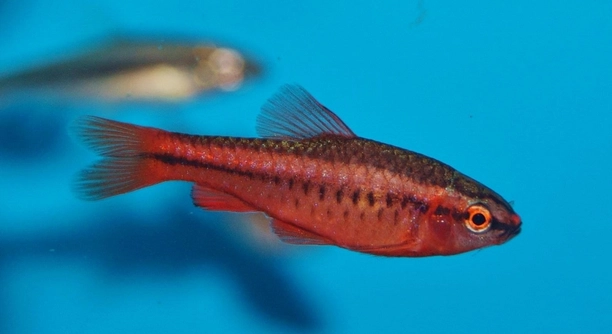
Their colors often intensify after feeding, especially in males. You might see richer reds and deeper body tones appear. This change is temporary but signals satisfaction and comfort in their environment after a good meal.
This color shift happens due to improved blood circulation and a short-term boost in energy as digestion begins. When cherry barbs feel full and relaxed, their bodies respond with subtle physical changes, and their scales reflect it clearly. This is more visible in well-lit tanks and among healthy fish. Males especially show deeper reds, sometimes displaying more vibrancy if they’re near other males or females. It’s a good sign that your fish are content, but the colors may fade again once they’ve fully settled. You’ll learn to recognize these moments over time—bright colors are one of the small but rewarding signals that they’re doing well. Keep their diet varied and tank calm to encourage this.
They Nibble at Leftovers
Even after a big meal, cherry barbs may continue to nibble at leftover bits of food drifting around. This isn’t a sign of hunger—it’s just a habit that helps keep the tank cleaner and reduces waste.
They often explore the substrate or plants shortly after eating. Picking at tiny scraps is part of their curious nature and ensures that nothing goes uneaten. It’s a normal behavior that blends digestion with gentle foraging.
They Avoid Sudden Movements
After eating, cherry barbs tend to avoid quick bursts of speed or sharp turns. Their swimming becomes more fluid and cautious. This helps prevent discomfort as they digest and signals that they are at ease in the tank.
They May Hover in Place
Some cherry barbs hover in one spot for short periods after eating. This motionless behavior helps them rest without needing to hide. It’s a sign that they’re full, relaxed, and comfortable in their space.
FAQ
What should I do if my cherry barbs are hiding too much after eating?
It’s normal for cherry barbs to seek quiet places after a meal, but if they are hiding for long periods, it could indicate stress or discomfort. Check the water parameters, such as temperature, pH, and ammonia levels, to ensure they’re within the ideal range. Also, make sure they aren’t being bullied by other fish or feeling threatened by tank mates. If their hiding behavior is excessive, try to reduce tank disturbances and ensure there are enough hiding spots for all your fish. You can also feed smaller meals more frequently to avoid overfeeding.
How long does it take for cherry barbs to digest food?
Cherry barbs usually take about 30 minutes to an hour to digest food after eating, though this time can vary based on the size and type of meal. If they’ve had a larger meal, it may take longer for them to resume normal activity. It’s important to avoid overfeeding, as this can lead to bloating or poor digestion. Make sure to monitor their activity and check for any signs of stress or illness if they seem unusually sluggish after eating.
Can cherry barbs overeat?
Yes, cherry barbs can overeat, especially if they are constantly offered food. Overfeeding can lead to health issues like obesity, poor water quality due to excess waste, and digestive problems. To prevent overeating, offer only small amounts of food that they can consume in a few minutes. Remove any uneaten food after feeding to avoid water contamination. Maintaining a regular feeding schedule and variety in their diet will help keep them healthy without the risk of overeating.
Do cherry barbs need to eat every day?
Yes, cherry barbs need to eat every day. They are small fish with high energy needs, so daily feeding is essential for their health. Feed them in small portions once or twice a day, ensuring they consume everything within a few minutes. This will help them maintain proper nutrition without the risk of leftover food degrading water quality. It’s best to feed them a balanced diet that includes both high-quality flake foods and occasional live or frozen treats, such as brine shrimp or daphnia.
Why are my cherry barbs so active after eating?
Cherry barbs are naturally energetic fish. After eating, they may become more active for a short period as their energy increases. This is a sign that they’ve received the nutrients they need and are ready to continue swimming and exploring. The boost in energy might be short-lived, as they may soon return to slower, more relaxed movements as digestion sets in. Providing a variety of foods and a well-maintained tank will keep them active and healthy after meals.
How can I tell if my cherry barbs are not feeling well after eating?
If your cherry barbs are showing signs of lethargy, unusual swimming patterns, or loss of appetite after eating, it could indicate illness or poor water quality. Monitor their behavior closely and check the water parameters immediately. Other signs to watch for include faded colors, visible spots, or bloating. If these symptoms persist for more than a day or worsen, it may be necessary to consult a veterinarian or aquatic specialist for further advice.
Can I feed cherry barbs different types of food?
Yes, cherry barbs enjoy a varied diet. They can be fed high-quality flakes or pellets, as well as live or frozen foods such as bloodworms, brine shrimp, and daphnia. Offering a mix of protein-based and vegetable-based foods helps provide the necessary nutrients for their growth and health. It’s also a good idea to supplement their diet with occasional plant matter like blanched spinach or zucchini. This variety keeps them engaged and ensures they receive a balanced diet.
Do cherry barbs need a special type of food after a big meal?
Cherry barbs don’t require special food after a big meal. They will eat their regular diet during feeding times and don’t need additional nutrients right after eating. However, it’s essential to ensure their diet is balanced overall, with a mix of proteins, vegetables, and occasional treats. After a large meal, they may take longer to digest, but there’s no need to adjust their food type. Overfeeding can cause more harm than good, so stick to a regular feeding schedule with appropriate portion sizes.
What’s the best way to maintain water quality for cherry barbs?
Maintaining clean water is vital for cherry barbs, as poor water quality can stress them and affect their digestion and overall health. Perform regular water changes, at least 25% every two weeks, and use a reliable filter to keep the water clean. Test the water parameters regularly, ensuring the temperature is between 72-80°F, the pH is around 6.5-7.5, and ammonia and nitrite levels are at zero. Keeping the tank free of uneaten food will also help maintain good water quality and ensure your cherry barbs remain healthy after meals.
How do I know if I’m feeding my cherry barbs the right amount?
The right amount of food for your cherry barbs is one that they can consume within a few minutes. Start with small portions and observe how much they eat. If food is left behind, you’re feeding them too much, which can cause water quality issues. On the other hand, if they eat everything quickly and seem hungry afterward, slightly increase the portion size. It’s also important to feed them a variety of foods to ensure they get the nutrients they need.
Is it okay to feed cherry barbs treats regularly?
Yes, it’s okay to feed cherry barbs treats, but they should be given in moderation. Treats like live or frozen foods (bloodworms, brine shrimp) can provide extra protein and nutrients, but they shouldn’t replace their main diet. Too many treats can lead to an unbalanced diet, so try to limit them to once or twice a week. Always monitor their condition to ensure they’re not gaining excess weight or experiencing digestive problems.
Final Thoughts
Cherry barbs are fascinating, active fish that can add life to any aquarium. Their behavior after a big meal is just one of the many unique traits that make them so interesting to observe. Whether they are nibbling on leftover food, taking a break to digest, or becoming more active, their actions provide a glimpse into their natural instincts. Understanding these behaviors can help fish owners create a better environment for their cherry barbs, ensuring that they remain happy and healthy.
The most important aspect of keeping cherry barbs is maintaining stable water quality. These fish are sensitive to changes in their environment, so keeping water conditions consistent is essential for their overall well-being. Regular water changes, proper filtration, and monitoring of temperature and pH are key factors in ensuring that cherry barbs thrive. Overfeeding can lead to poor water quality and health problems, so it’s vital to avoid giving them more food than they need. By sticking to a feeding schedule and offering a balanced diet, you can avoid unnecessary complications.
Cherry barbs are relatively low-maintenance, but their needs should not be ignored. Providing them with a varied diet, a clean tank, and the right companions will help them stay active and stress-free. Watching their natural behavior after meals is a rewarding experience and can offer insights into their health and happiness. By keeping their environment stress-free and offering proper care, you can enjoy their lively presence for years to come.

Hello,
If you enjoy the content that we create, please consider saying a "Thank You!" by leaving a tip.
Every little bit helps us continue crafting quality advice that supports the health, happiness, and well-being of pets around the world, for pets of all shapes, sizes, and species.
We really appreciate the kindness and support that you show us!