
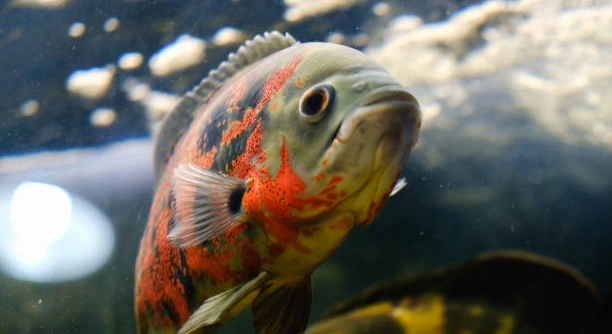
Oscar fish are popular among beginners due to their vibrant colors and dynamic personalities. However, newcomers often make several mistakes when caring for them, which can lead to unnecessary problems. Understanding these mistakes can help ensure a healthy environment for your fish.
Many beginners overlook the specific requirements for Oscar fish, such as water temperature, tank size, and proper feeding. These factors are crucial to their well-being and can prevent common issues like stress, disease, and poor growth in your fish.
By understanding these key aspects, you will be able to provide a healthier environment for your Oscar fish. Keep reading to learn more about the common mistakes and how to avoid them for a thriving aquarium.
Mistake 1: Incorrect Tank Size
One of the most common mistakes beginners make when setting up an Oscar fish tank is choosing one that is too small. Oscar fish grow quickly and can reach up to 14 inches in length. A tank that’s too small will limit their space, leading to stress and health problems. It’s important to provide them with enough room to move freely, as this can directly impact their growth and overall well-being. A tank of at least 55 gallons is recommended for a single Oscar fish, with larger tanks needed if you plan to keep more than one.
Many beginners may think a 30-gallon tank will suffice, but that can quickly lead to issues like territorial aggression or poor water quality. Oscar fish are messy eaters, and without sufficient water volume, the filtration system will struggle to keep up, resulting in unhealthy water conditions.
To avoid these problems, ensure your tank is large enough to give your Oscar fish room to grow and explore. A spacious tank will not only benefit their health but also make your aquarium look more vibrant and lively.
Mistake 2: Overfeeding
Another common mistake is overfeeding Oscar fish, thinking they are always hungry. Oscar fish are aggressive eaters, and their insatiable appetite can lead owners to overfeed them. While feeding your fish enough is essential for their health, overfeeding can result in uneaten food polluting the water and poor water quality.
Overfeeding can also cause obesity in Oscar fish, leading to more serious health issues. It’s crucial to stick to a feeding schedule and avoid offering more food than the fish can consume within a few minutes. This will prevent excess food from decaying in the tank and disrupting the balance of the aquarium.
A good rule of thumb is to feed your Oscar fish two to three times per day, providing only the amount they can eat within five minutes. This will help maintain clean water and prevent health problems. By keeping a regular feeding routine, you’ll support your fish’s overall health and the stability of their tank.
Mistake 3: Poor Water Quality
Oscar fish are very sensitive to changes in water quality, and poor conditions can lead to diseases. It’s essential to maintain stable water parameters, such as pH, ammonia, nitrite, and nitrate levels. Regular water changes, typically 20-30% weekly, are necessary to keep the water clean.
Installing a reliable filtration system is crucial, as Oscar fish produce a lot of waste. A good filter will help remove toxins from the water and maintain a healthy environment. Testing water regularly will give you the peace of mind that your tank is in top condition.
Without proper water care, Oscar fish can quickly develop health problems like fin rot or ich. Ensuring clean, stable water will prevent these issues and keep your fish happy and active. Be vigilant with water testing, as even small changes in parameters can lead to big problems for your fish.
Mistake 4: Incorrect Tank Mates
Oscar fish are territorial and aggressive, especially as they grow older. Choosing the wrong tank mates can result in constant stress, injury, or even death for other fish. While Oscars can live with other species, the key is picking fish that are equally strong and not overly passive.
It’s best to avoid keeping Oscars with smaller fish that can easily be bullied or eaten. Large, peaceful fish like plecos or catfish may work well in the same tank. However, keep in mind that Oscars can become aggressive during feeding times, so it’s important to monitor interactions closely.
Before adding new fish, research their compatibility with Oscars. Some species may be more prone to aggression or territorial disputes, which can lead to injury. By choosing the right tank mates, you’ll create a more peaceful environment that benefits all the fish in the tank.
Mistake 5: Ignoring Tank Decorations
Many beginners forget that Oscar fish need a proper environment that includes tank decorations and hiding spots. These fish are territorial, and without places to hide or claim, they can become stressed. Decorations like rocks, caves, or plants can provide shelter and reduce aggression.
Tank decorations also help mimic their natural environment, offering them a more comfortable space. Be sure to choose items that are smooth and won’t cause injury. Avoid sharp objects that might damage their fins or skin. Offering plenty of hiding spots helps prevent fighting and gives your Oscar fish a safe space to retreat.
Mistake 6: Inconsistent Water Temperature
Oscar fish are tropical and require a consistent water temperature of 74-81°F (23-27°C). Sudden changes in temperature can stress them out, weakening their immune system and making them more prone to diseases. A reliable heater is necessary to maintain the ideal water temperature year-round.
Make sure the heater is strong enough for the size of the tank and always check the temperature regularly with a thermometer. Having a stable, warm environment will promote your Oscar fish’s health and activity. Fluctuating temperatures can lead to illness, so consistency is key to keeping them happy.
Mistake 7: Not Quarantining New Fish
Newly added fish can introduce diseases into your tank if not quarantined first. Beginners often skip this step, leading to infections that can spread quickly. By keeping new fish in a separate quarantine tank for at least two weeks, you can avoid this problem.
FAQ
How often should I feed my Oscar fish?
Oscar fish should be fed two to three times a day, but only the amount they can eat within a few minutes. Overfeeding can cause water quality issues and obesity. Offer a balanced diet, including high-quality pellets, live food, and occasional treats. Keep track of their eating habits to ensure they’re getting enough without overfeeding.
What size tank does an Oscar fish need?
An Oscar fish requires a tank of at least 55 gallons for a single fish. They grow large, and the bigger the tank, the better. For each additional Oscar, increase the tank size by at least 20 gallons to accommodate their growing needs. A larger tank will help maintain better water quality and provide them with enough space to thrive.
Can Oscar fish live with other fish?
Yes, but you need to choose tank mates carefully. Oscar fish are aggressive and territorial, especially as they grow. Avoid keeping them with smaller fish, as they may become prey. Larger, peaceful species like plecos or larger catfish are good options. Monitor their interactions to ensure no harm comes to the other fish.
What should I do if my Oscar fish is sick?
If your Oscar fish shows signs of illness, like abnormal swimming, loss of appetite, or visible lesions, it’s important to quarantine them immediately to prevent spreading the disease. Assess the water quality first, as poor conditions often cause health problems. Seek advice from a vet or aquarium specialist for proper treatment.
How can I prevent diseases in my Oscar fish?
Maintaining good water quality is the best way to prevent diseases. Regular water changes, proper filtration, and maintaining stable temperature and pH levels are key. Quarantine new fish before introducing them to the main tank to avoid bringing in diseases. Feed your Oscar a healthy, balanced diet to boost their immune system.
Do Oscar fish need a filter?
Yes, Oscar fish produce a lot of waste, so a good filtration system is essential. Choose a filter that is appropriate for the size of the tank and provides sufficient water circulation. Regularly clean the filter to ensure it works effectively, and don’t forget to test the water regularly to ensure it’s free from harmful toxins.
What type of water should I use for my Oscar fish?
Oscar fish prefer slightly acidic to neutral water (pH 6.5–7.5). It’s important to use dechlorinated tap water or filtered water to avoid harmful chemicals. Make sure the water is free from ammonia, nitrites, and nitrates. Regular water testing will help maintain proper water quality for your fish.
How can I tell if my Oscar fish is stressed?
Signs of stress in Oscar fish include abnormal swimming behavior, hiding constantly, a lack of appetite, or aggression towards other fish. Stress can be caused by poor water conditions, overcrowding, or incompatible tank mates. Ensure the tank is large enough, the water is clean, and the fish have a comfortable environment.
Why is my Oscar fish turning dark?
Oscar fish can change color due to stress, illness, or water quality issues. Darkening can also be a sign of poor water conditions, such as high levels of ammonia or nitrites. Make sure the tank is properly filtered and the water quality is monitored. Stress from aggressive tank mates or a small tank may also contribute to this behavior.
Can Oscar fish live with plants?
Oscar fish can live with plants, but they are known to uproot or destroy them. If you plan to include plants, choose hardy, fast-growing species like Anubias or Java fern. Use heavy rocks to anchor the plants in place. Plants can help maintain water quality by absorbing excess nutrients but expect Oscar fish to disturb them occasionally.
How do I clean my Oscar fish tank?
Regular cleaning is necessary to maintain a healthy environment for your Oscar fish. Perform partial water changes (20–30%) weekly, vacuum the substrate to remove debris, and clean the decorations and walls of the tank. Be sure to also clean the filter regularly to ensure it’s functioning properly. Always test the water after cleaning to check for any changes in the water quality.
What’s the ideal water temperature for Oscar fish?
Oscar fish prefer a water temperature between 74°F and 81°F (23°C – 27°C). Use a reliable heater to maintain a consistent temperature, as fluctuations can stress your fish. Avoid placing the tank in drafty areas or near windows, as this can cause temperature changes that affect your Oscar’s health.
Can Oscar fish live in cold water?
No, Oscar fish are tropical and cannot survive in cold water. Water temperatures below 74°F (23°C) can weaken their immune system, making them more susceptible to diseases. Ensure your tank is heated properly to maintain a stable temperature range for optimal health.
What type of food should I feed my Oscar fish?
Oscar fish thrive on a varied diet that includes high-quality pellets, live food like worms or shrimp, and occasional treats like small pieces of fish or chicken. Offering a balanced diet will ensure they receive all the necessary nutrients. Avoid feeding them only one type of food, as variety is key to their health.
Why is my Oscar fish not eating?
Loss of appetite can be a sign of stress, illness, or poor water quality. First, check the water parameters to make sure they’re within the ideal range. If the water is fine, try offering a variety of foods to see if your fish will eat. If the issue persists, consult with a vet.
Final Thoughts
Caring for Oscar fish involves understanding their needs and creating a stable, comfortable environment. From providing a spacious tank to ensuring proper water quality, every detail plays a role in their well-being. Beginners often make common mistakes, such as overfeeding, neglecting tank size, or not understanding the importance of water temperature. These issues can be easily avoided with proper knowledge and preparation. By focusing on the right care and maintenance, you can help your Oscar fish thrive for many years.
Oscar fish are hardy, but they require attention to detail. Regular water changes, appropriate tank mates, and a balanced diet are essential for their long-term health. Additionally, monitoring their behavior and keeping an eye out for signs of stress or illness ensures they stay healthy. It’s important to remember that Oscars grow large and need enough space to move freely. Providing enough hiding spots and avoiding overcrowding will help minimize aggression and stress. In turn, this leads to a healthier, happier fish.
Overall, taking the time to learn about the specific needs of Oscar fish can prevent most common issues. Once you’ve set up their tank and created a stable environment, Oscar fish can become fascinating and rewarding pets. Remember, maintaining consistent care is the key to enjoying your fish for years to come. By staying proactive in keeping their environment clean, feeding them properly, and watching for signs of stress or disease, you ensure they live a long and healthy life.

Hello,
If you enjoy the content that we create, please consider saying a "Thank You!" by leaving a tip.
Every little bit helps us continue crafting quality advice that supports the health, happiness, and well-being of pets around the world, for pets of all shapes, sizes, and species.
We really appreciate the kindness and support that you show us!