
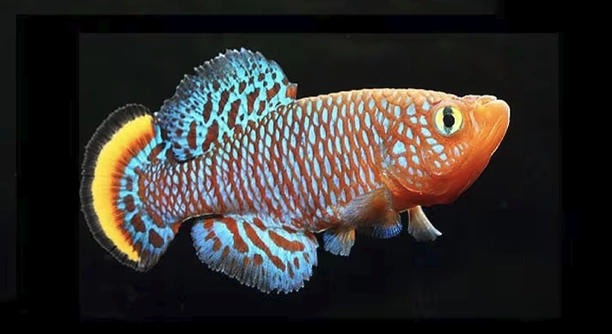
Killis are popular freshwater fish admired for their bright colors and lively behavior. Many beginners try to keep them but often face challenges that can be avoided with the right knowledge. Understanding common mistakes helps improve care for these delicate fish.
Beginners often misunderstand killis’ specific habitat needs, diet requirements, and breeding behavior, which leads to poor health and shortened lifespan. Proper tank conditions and feeding routines are essential for their survival and well-being.
Knowing these basics can help you provide better care and enjoy watching your killis thrive in your aquarium. This article will clarify the most frequent errors beginners make.
Misunderstanding Killis’ Tank Environment
Killis need very specific tank conditions to stay healthy. Many beginners place them in tanks that are too large or too cold, which stresses the fish. Killis thrive in smaller, well-planted tanks with gentle water flow. The water should be soft and slightly acidic, often with temperatures between 72 and 78 degrees Fahrenheit. Providing hiding places, such as plants or moss, helps killis feel secure. They are used to low-light conditions, so bright aquarium lighting can cause stress. Regular water changes are important to maintain clean water, as killis are sensitive to pollutants. Many beginners do not test their water regularly or ignore the need for stable water parameters, which can lead to illness. Adjusting the tank environment to suit killis’ natural habitat makes a huge difference in their behavior and health. Paying attention to these details ensures the fish live longer and display their beautiful colors fully.
Stress from an improper tank can shorten killis’ lifespan and reduce their activity levels.
Setting up a killis tank means recreating a natural environment carefully. Smaller tanks around 5 to 10 gallons are often enough, as killis do not need much space. Plants like Java moss or floating plants help simulate their natural habitat and offer places to hide. The water should be soft with a pH around 6.0 to 7.0, which can be achieved by using peat or water conditioners. Temperature control is essential—keeping the water steady in the recommended range prevents shock. Avoid strong filters that create heavy currents because killis prefer slow-moving water. Frequent but partial water changes keep ammonia and nitrate levels low, which protects fish health. A stable, gentle, and natural tank setup makes killis comfortable and ready to thrive.
Feeding Killis Incorrectly
Many beginners feed killis with just flakes or generic food, which does not meet their nutritional needs. Killis require a varied diet that includes live or frozen foods like daphnia, brine shrimp, and bloodworms. These foods help bring out their natural colors and support their energy levels. Overfeeding is also common and can cause water quality problems. Killis have small stomachs and should be fed small amounts twice a day. Uneaten food should be removed to prevent water pollution. Feeding only dry food often leads to poor health and dull colors. Including a variety of protein-rich foods is important for their development and reproduction. This diet approach replicates what killis would eat in the wild and keeps them strong.
Balanced nutrition supports killis’ vibrant appearance and overall health.
Feeding killis the right food is key to their care. Many beginners rely too much on flakes, which lack essential nutrients. Adding live or frozen food like brine shrimp or bloodworms keeps killis active and colorful. Small, frequent feedings prevent digestive issues and keep the tank clean. Overfeeding can quickly pollute the water and harm the fish. Removing leftover food after feeding prevents this problem. A varied diet helps killis grow well and boosts their immune system. It also encourages natural behaviors, making them more lively and interesting to watch. Regularly offering different protein sources ensures your killis get all the nutrients they need for a healthy life. Taking care with feeding is a simple way to improve your fish’s well-being significantly.
Ignoring Killis’ Breeding Needs
Killis have specific breeding behaviors that beginners often overlook. They need soft, acidic water and plenty of hiding spots for their eggs.
Killis are egg scatterers and prefer to lay eggs on plants or spawning mops. To encourage breeding, lowering the water temperature slightly can help, as well as providing dense plants. Eggs are sensitive to strong currents or other fish. Removing the parents after spawning prevents them from eating the eggs. Many beginners miss these details and are surprised when breeding fails. Proper care during this period increases the chances of successful fry development.
Raising killifish fry requires patience and careful feeding. Fry need very small live foods like infusoria or newly hatched brine shrimp. Clean water and gentle conditions are critical because fry are fragile. Neglecting these needs leads to poor survival rates. Understanding and meeting breeding requirements improves success and satisfaction with keeping killis.
Overlooking Killis’ Social Behavior
Killis are often kept alone, but many species prefer to live in groups or pairs. They can be territorial, so the tank setup needs to allow space and hiding places.
Keeping killis with tank mates requires careful consideration of temperament and tank size. Some species are peaceful, while others show aggression during breeding or territory defense. Providing plants, rocks, and visual barriers helps reduce conflicts. Avoid overcrowding, as it raises stress and health issues. Beginners who do not observe social cues may misinterpret normal behavior as illness. Watching their interactions helps maintain a peaceful environment. Understanding social needs helps killis thrive and show natural behaviors.
Overestimating Killis’ Hardiness
Killis are delicate fish that require careful attention to water quality and temperature. They do not tolerate sudden changes well, which beginners often underestimate.
Maintaining stable conditions is crucial. Fluctuations in temperature, pH, or water hardness can quickly stress killis, leading to illness or death.
Using the Wrong Tank Mates
Not all fish are compatible with killis. Aggressive or fast swimmers can harm or outcompete them for food. Choosing peaceful species with similar water needs is important.
Killis are small and can be easily bullied, so careful selection of tank mates is essential to avoid stress and injury.
Neglecting Regular Tank Maintenance
Regular cleaning and water changes are vital for killis’ health. Dirty tanks promote disease and reduce oxygen levels.
Keeping the tank clean ensures a stable environment and helps killis stay healthy and vibrant.
FAQ
What type of water do killis need?
Killis require soft, slightly acidic water. A pH between 6.0 and 7.0 is ideal, and water hardness should be low to moderate. Using peat or specialized aquarium conditioners can help create these conditions. Keeping water clean and stable is important, so regular testing is necessary.
How often should I feed my killis?
Feeding killis twice a day with small amounts is best. They have small stomachs and can easily become overfed. Remove any uneaten food to prevent water pollution. A varied diet with live or frozen foods like brine shrimp or bloodworms keeps them healthy.
Can killis live with other fish?
Some killis can live with peaceful tank mates, but many are territorial or small enough to be bullied. Choose compatible fish with similar water needs and avoid aggressive or fast swimmers. Providing plenty of plants and hiding spots helps reduce stress.
How do I encourage killis to breed?
Killis breed best in soft, acidic water with plenty of plants or spawning mops. Lowering the temperature slightly can trigger spawning. After eggs are laid, removing the parents prevents them from eating the eggs. Fry need tiny live foods and gentle conditions.
What causes killis to lose color?
Loss of color can result from poor diet, stress, or bad water quality. Ensure they get live or frozen protein-rich foods and maintain stable tank conditions. Reducing stress by providing hiding places and suitable tank mates helps maintain vibrant colors.
How big should a killis tank be?
A 5 to 10-gallon tank is usually enough for a small group. Killis prefer smaller spaces with lots of plants and gentle water flow. Avoid large tanks with strong currents because killis are small and prefer calm environments.
How do I keep killis healthy?
Stable water conditions, a balanced diet, and regular tank maintenance are key. Avoid sudden changes in temperature or water chemistry. Keep the tank clean and remove uneaten food. Watching your fish regularly helps catch health problems early.
What should I do if my killis become aggressive?
Aggression can happen during breeding or if the tank is overcrowded. Provide plenty of plants and hiding spots to break up territories. Removing overly aggressive fish or separating males can reduce fights. Keeping the right number of fish helps maintain balance.
Can killis live in cold water?
Killis prefer temperatures between 72 and 78 degrees Fahrenheit. Cold water stresses them and can cause illness. Keeping the temperature stable with a heater is important, especially in cooler climates or air-conditioned rooms.
How long do killis live?
Killis typically live 2 to 4 years, depending on species and care quality. Proper diet, tank conditions, and stress reduction extend their lifespan. Some species have shorter natural lifespans, so managing expectations is important.
Is tap water safe for killis?
Tap water often contains chlorine or chloramine, which can harm killis. Using a water conditioner removes these chemicals. Testing water parameters and adjusting pH or hardness ensures safe conditions before adding killis.
How do I introduce killis to a new tank?
Acclimate killis slowly by floating the bag in the tank water for 15-20 minutes. Gradually mix small amounts of tank water into the bag over an hour before releasing them. This prevents shock from sudden changes in temperature or water chemistry.
Can killis live without live food?
Killis can survive on frozen or prepared foods, but live foods stimulate natural behaviors and improve health. A diet with varied live or frozen items keeps killis active and colorful. Avoid relying only on flakes or pellets.
What plants are best for a killis tank?
Java moss, floating plants, and dense leafy plants work well. They provide hiding spots, spawning surfaces, and reduce light intensity. Plants also improve water quality and help create a natural environment that killis prefer.
How often should I clean the killis tank?
Partial water changes of about 20-30% weekly help maintain water quality. Cleaning substrate and removing waste regularly prevents toxins. Avoid full water changes that disturb beneficial bacteria. Keeping a consistent maintenance schedule is best for killis health.
Final Thoughts
Keeping killis can be very rewarding, but it requires attention to detail and patience. These fish are not as hardy as some others, so beginners need to learn about their special needs. Proper tank setup, including water conditions and plants, plays a big role in their health. Making sure the water is soft, slightly acidic, and stable helps killis feel comfortable. Also, providing hiding spots allows them to reduce stress and behave naturally. Small tanks with gentle water flow are usually best, as killis prefer calm environments. By paying attention to these simple factors, killis can live longer and stay healthy.
Feeding killis the right diet is also important. They do best when given a variety of foods, especially live or frozen options like brine shrimp or bloodworms. These foods help keep their colors bright and support their energy levels. Overfeeding or feeding only flakes can cause problems with water quality and fish health. Feeding small amounts twice a day and removing leftovers keeps the tank clean. Understanding how to care for killis’ diet will improve their overall well-being and make them more active and interesting to watch.
Finally, killis have specific social and breeding behaviors that should be respected. Some species like to live in groups or pairs, while others are more territorial. Providing enough space and plants to break up territories can reduce fights and stress. When breeding killis, it is important to offer the right water conditions and safe places for eggs. Removing parents after spawning prevents eggs from being eaten. Raising the fry needs patience and small live foods. Knowing these details will increase your success in keeping killis happy and healthy, making the experience much more enjoyable.

Hello,
If you enjoy the content that we create, please consider saying a "Thank You!" by leaving a tip.
Every little bit helps us continue crafting quality advice that supports the health, happiness, and well-being of pets around the world, for pets of all shapes, sizes, and species.
We really appreciate the kindness and support that you show us!