
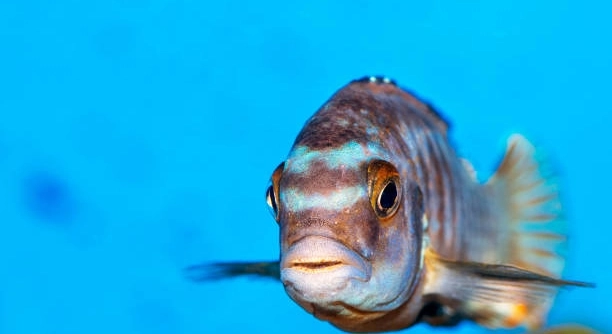
Do you ever find yourself watching your African cichlids and noticing little behaviors that feel surprisingly familiar, almost like something a person might do?
African cichlids display behaviors such as forming social hierarchies, guarding territory, caring for offspring, and even showing signs of jealousy or recognition—actions that closely resemble human interactions in both structure and emotional expression.
These small yet striking behaviors reveal how complex their underwater world truly is, offering a closer look at how they relate to each other and even to you.
They Form Social Hierarchies Like People Do
African cichlids live in structured communities where rank matters. Just like people in a workplace or family, these fish have leaders and followers. Dominant cichlids take charge of space, food, and even mating rights. They use body language, posturing, and sometimes aggression to maintain their status. Submissive fish often show respect by changing color or avoiding eye contact. This social order helps keep peace and structure in the tank. Watching them interact feels a bit like observing human behavior at a gathering—some step forward, others hold back, and everyone seems to know their place.
These ranks can change over time. If a dominant cichlid gets sick or weak, another may rise to take its spot.
You’ll notice that even younger fish start to test their position early. They challenge each other, mimic behaviors, and slowly find where they belong. It’s fascinating to see how social instincts begin to develop.
They Protect Their Babies Like Human Parents
Many African cichlids are mouthbrooders, which means they carry their eggs and young in their mouths for protection.
The female holds her babies inside her mouth for weeks, only letting them out when it’s safe to explore. If danger is near, she quickly scoops them back up. This careful protection shows a level of parental care that feels familiar. Some species even pretend to eat to distract threats away from their young. Males can play a role too, guarding the territory or guiding their offspring. This kind of teamwork and care looks strikingly like how human parents protect and guide their children. The bond is brief but strong. Once the young are big enough, the parents let them go, encouraging independence. Observing this gentle, protective behavior adds depth to how we view these fish. It’s not just instinct—it feels personal, thoughtful, and very real.
They Get Jealous Over Attention
African cichlids can act out when they feel ignored or replaced. This often shows up as sudden aggression, chasing, or even rearranging their tank space when new fish are added or when you’re interacting with others more.
They recognize routine and respond to changes. If you spend time near the tank, some cichlids will watch closely or come forward when you’re near. If another fish gets your attention, they may flare their fins or nip at tank mates. It’s not just territorial—it feels emotional. Their reaction seems tied to being noticed or included. They can even get pushy during feeding, trying to stand out. While it may not be jealousy in the human sense, the behavior shows they are sensitive to shifts in attention, which feels oddly familiar. Watching them respond this way creates a stronger connection between you and your fish, as if they’re trying to keep your focus.
Sometimes, they even associate people with food or interaction. If someone new stands in front of the tank, they may react differently than they do with you. These little signs show they recognize individual faces or habits. Over time, your regular presence becomes something they seem to expect—and even react to emotionally.
They Watch What Others Are Doing
Cichlids often observe each other before acting. If one fish explores a corner or tries a new hiding spot, others usually follow. It’s like they wait to see if it’s safe or interesting before trying it for themselves.
This behavior happens often during feeding or when something changes in the tank. If one fish checks out a new decoration, others will slowly follow, taking turns investigating. It’s not just copying—it seems thoughtful. They assess from a distance and wait. You might also notice them gathering near another fish that is digging or rearranging gravel. These small habits suggest awareness and learning from each other’s choices. Some researchers believe this shows social learning, something we often think of as a human trait. When cichlids pause, watch, and then decide how to act, it feels surprisingly close to how people observe situations before getting involved or making decisions.
They Rearrange Their Space
African cichlids love to move gravel, shift decorations, and build little areas to claim as their own. It’s not random—they shape their surroundings based on mood, territory, or breeding. Some even have favorite spots they return to often.
They dig pits or create mounds with clear intention. During breeding, they may clean a surface or make space for eggs. These changes aren’t just for fun—they serve a purpose. Watching them interact with their environment shows how much they care about their space, similar to how people arrange furniture or tidy up a room.
They Show Off to Impress Others
Male cichlids often show off with bright colors and dramatic movements when trying to get a female’s attention. They flare their fins, shake their bodies, and swim in loops. It’s a display meant to stand out. Other males might try the same, competing for attention in their own flashy ways. These displays are not just instinct—they seem to be performances. The fish pause, wait for reactions, and adjust their actions, which feels very social and expressive. Over time, you start to notice which behaviors mean what, and it adds personality to each fish you watch.
They Remember Routine
Cichlids quickly learn feeding times and often gather near the surface before you even reach the tank. They recognize patterns and seem to prepare themselves for what’s next, almost like keeping track of a schedule.
FAQ
Do African cichlids recognize their owners?
Yes, many African cichlids seem to recognize their owners over time. They react differently to familiar faces, often coming closer to the front of the tank when the person who usually feeds or interacts with them is nearby. Some even follow your movements across the room. Their reaction is usually calmer with familiar people, and more cautious with strangers. It may not be the same as how a dog or cat responds, but there are clear signs they remember and react to specific people. This type of recognition shows how observant and aware these fish really are.
Can African cichlids get bored?
Cichlids can show signs of boredom, especially in a tank with little stimulation. You might notice them pacing or repeating the same movements. To keep them active and engaged, it helps to rearrange tank decor, introduce new hiding spots, or rotate objects occasionally. Even small changes can make a difference. Some owners also use floating toys or mirrors for short periods. These fish are curious and respond to change in their environment. Without enough to explore or interact with, they can become dull or more aggressive toward tank mates, so keeping things fresh is important for their mental health.
Why do cichlids fight so often?
Fighting is part of how cichlids establish territory and social rank. It may look aggressive, but in many cases, it’s a way to communicate boundaries. These fish are naturally territorial and like having their own space. When tanks are too small or overcrowded, fights happen more often. It’s not always about anger—it can be about control, space, or defending a mate. Some nipping and chasing are normal, especially during breeding. However, if injuries happen, it’s time to step in and make changes to the setup. Giving each fish its own space can help reduce stress and tension in the tank.
Do cichlids learn from each other?
Yes, African cichlids learn by watching other fish. They observe how others explore, eat, or interact, and often mimic the behavior. If one cichlid finds a new food or hiding spot, others will usually follow after watching what happens. This type of learning is called social learning, and it’s often seen in animals that live in groups. You can spot this when you introduce a new item into the tank. One fish checks it out, and soon the rest follow. It shows that cichlids aren’t just reacting—they’re processing and responding in a thoughtful way.
How do cichlids show stress?
Stressed cichlids may lose color, hide more than usual, or become aggressive. Some may stop eating or breathe heavily. Stress can come from poor water quality, tank mates, sudden changes, or lack of space. It’s important to watch for early signs so you can make adjustments. Even rearranging the tank or adding hiding spots can help. A stressed fish can affect the entire tank dynamic. Keeping the environment steady and providing enough room for each fish goes a long way in reducing stress. When cichlids feel safe, they’re more active, colorful, and show off their natural behaviors.
Are cichlids emotional animals?
Cichlids may not feel emotions in the same way people do, but they show behaviors that suggest emotional responses. They react to changes in attention, routine, or the presence of certain fish. Some seem excited when you approach, while others get more withdrawn during stressful times. These reactions can feel emotional, even if they are based on instinct or memory. Many owners feel a personal connection with their cichlids because of these patterns. Whether it’s excitement, stress, or bonding, their behavior gives the impression of deeper awareness than many expect from a fish.
Final Thoughts
African cichlids are not just colorful fish swimming around in a tank. They have patterns, habits, and behaviors that feel surprisingly human. From forming social groups to showing care for their young, these fish reveal just how complex their lives really are. Watching them can feel like looking into a tiny, silent world full of activity and emotion. They interact with each other, respond to people, and even seem to have their own personalities. It’s these little moments—when a cichlid guards its space, shows off for a mate, or waits for you by the glass—that make keeping them so rewarding.
What makes them even more interesting is how much they notice. They remember routines, react to familiar faces, and learn by observing others. These aren’t just random actions. Over time, you start to see patterns in their behavior. Some are bold, some shy, and some always seem to be stirring up trouble. Their actions aren’t just based on instinct; many are shaped by their surroundings and daily experiences. The more time you spend watching them, the more you pick up on their moods and preferences. It makes the tank feel less like a glass box and more like a small community with real interaction.
Owning African cichlids takes more than basic care—it takes attention and patience. They need space, structure, and the right tank mates to stay balanced and healthy. But in return, they offer something special. Their behavior gives you a closer look at how animals think, act, and relate to each other. Whether you’re new to keeping fish or have done it for years, cichlids keep things interesting. You’ll find yourself learning more every day, not just about them, but about how living creatures communicate and respond to the world around them. It’s a quiet reminder that even in the smallest places, there’s a lot happening—sometimes more than we expect.

Hello,
If you enjoy the content that we create, please consider saying a "Thank You!" by leaving a tip.
Every little bit helps us continue crafting quality advice that supports the health, happiness, and well-being of pets around the world, for pets of all shapes, sizes, and species.
We really appreciate the kindness and support that you show us!