
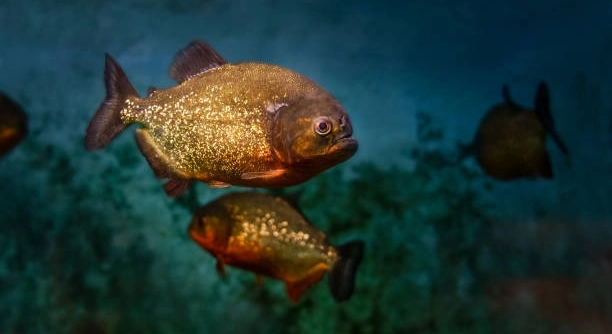
Are your thoughts filled with sharp teeth and choppy waters whenever someone mentions piranhas? You’re not alone in picturing them as fierce biters with no limits. But not everything makes it onto their menu.
Piranhas will never bite objects or beings that do not resemble potential prey, including certain animals, inanimate objects, and even some humans under specific conditions. Their behavior is driven by sensory cues, environmental factors, and survival instincts.
From surprising items to living creatures, you might be amazed at what these little fish leave untouched in their riverside world.
Rubber and Plastic Objects
Piranhas rely on their senses to detect food, especially smell and movement in the water. Because of this, they typically ignore materials like rubber and plastic. These synthetic items don’t give off any biological signals that piranhas recognize as food. When dropped into a tank or river, plastic and rubber objects are often left untouched, floating or sinking without much interest from nearby fish. Even when shaped like prey, these items don’t provoke a feeding response unless scented or moving in a lifelike way. In environments like aquariums or research tanks, rubber decorations or plastic dividers are used safely without damage. Wild piranhas behave similarly, showing no reaction to plastic waste unless it traps food. Their bite is powerful, but it’s reserved for things they believe are edible or threatening. This selectivity is key to their survival and efficiency as predators.
These objects simply don’t fit the piranha’s pattern of behavior.
They depend on instinct and natural cues, and rubber or plastic don’t meet either condition. These fish are designed to react fast and conserve energy, so they’re not going to waste time on something that doesn’t smell, taste, or move like food.
Amphibians That Produce Toxins
Some amphibians, like poison dart frogs or certain toads, have evolved chemical defenses that make them unappealing or even dangerous to predators. Piranhas are no exception. They have learned to avoid these toxic creatures, especially in regions where such amphibians are common. A piranha may bite once out of curiosity, but the foul taste or adverse effects will keep it from doing so again. This avoidance isn’t out of kindness—it’s a survival tactic. Eating toxic animals can cause illness or death, and over generations, piranhas that avoided these species were more likely to survive and reproduce.
These toxic amphibians give off strong chemical cues that signal danger, which piranhas can detect. Many amphibians release these toxins through their skin, and the scent alone may be enough to warn fish away. In some cases, brightly colored skin serves as a visual warning, too. Piranhas are not mindless eating machines—they’re instinctive and cautious when needed. While not every piranha will instantly recognize a poisonous amphibian, many do learn quickly. And in areas where such creatures are part of the ecosystem, this awareness becomes even more pronounced. Evolution has taught these fish to be alert, especially when the risk outweighs the reward.
Birds in Flight
Piranhas don’t usually target birds flying above the water. Their hunting instincts are triggered by vibrations and movements within the water, not above it. A bird quickly flying past doesn’t produce the kind of signals that attract these fish.
If a bird were to dive or swim in the water, it might catch a piranha’s attention—but even then, the fish often ignore them unless they are injured or slow-moving. Piranhas prefer prey that is easier to catch and already in the water. Birds flying overhead are simply too fast and out of reach. This means that even in areas where birds nest near rivers or fly low, piranhas don’t see them as food. Their energy is better spent on injured fish or animals already struggling in the water. It’s not about preference, but efficiency and instinct.
Some wading birds can even safely forage in shallow areas shared with piranhas. These fish won’t leap out of the water to strike. Instead, they wait for solid cues of distress or injury. A healthy, quick-moving bird doesn’t meet their feeding needs. Over time, this behavior has allowed many bird species to live near piranha habitats without facing constant danger. It’s a balance that works for both animals.
Humans Standing Still
Humans standing motionless in water are rarely seen as prey by piranhas. These fish react to splashing, movement, or the scent of blood, not stillness. If a person isn’t moving or bleeding, the fish often swim by without much interest.
Piranhas might be known for their sharp teeth and fast strikes, but they’re not mindless attackers. A human simply standing in a river doesn’t trigger their feeding response. They’re more likely to bite if they detect blood or if someone is splashing a lot, which mimics the movements of wounded prey. Even then, most piranhas prefer to avoid confrontation unless they feel threatened or are part of a large, stressed group. When people report bites, it’s usually during feeding frenzies or dry seasons when food is scarce. But in calm conditions, these fish tend to ignore humans altogether. Being still is often enough to avoid attention in piranha territory.
Large Aquatic Reptiles
Piranhas usually avoid biting large aquatic reptiles like adult caimans or turtles. These animals have thick, tough skin or protective shells that piranhas can’t easily penetrate. It’s not worth the effort or risk for the fish.
These reptiles are also known to prey on piranhas, which adds another reason for the fish to steer clear. Instinct teaches them to avoid creatures that could pose a danger.
Dead Plants and Roots
Piranhas are meat-eaters and won’t bite into dead plants or roots. These materials don’t smell like food or move in ways that attract the fish. Even when drifting in water, they are ignored.
Their Own Healthy Group
Piranhas don’t usually attack members of their own group unless food is scarce or one is injured. Healthy fish swimming calmly are seen as part of the school, not as prey.
FAQ
What do piranhas usually eat if they don’t bite these things?
Piranhas mostly feed on smaller fish, insects, and sometimes small animals that fall into the water. They prefer easy prey that moves or shows signs of weakness. Their sharp teeth help them tear flesh quickly, making them efficient hunters in their habitats.
Are piranhas dangerous to humans?
Piranhas rarely attack humans unless provoked or if there’s blood in the water. Most bites happen during dry seasons when food is scarce, or if a person splashes too much. In normal conditions, they avoid people and pose little real threat.
Can piranhas bite through thick skin or armor?
Piranhas have strong jaws, but thick skin or shells usually protect larger animals like turtles or adult reptiles. They tend to avoid these because biting them wastes energy and can injure the fish.
Do piranhas attack their own kind?
Piranhas live in groups and generally don’t bite healthy members of their own school. Aggression can happen if food is limited or if one fish is sick or injured, but otherwise, they coexist peacefully.
Why don’t piranhas bite plastic or rubber objects?
These materials don’t give off the scent or movement that piranhas recognize as food. They rely on instinct to detect prey, and plastic or rubber simply doesn’t fit that pattern. Without those signals, they ignore such objects.
Can piranhas be scared away by certain animals?
Yes, larger animals that pose a threat or have strong defenses can scare piranhas away. For example, big fish, aquatic reptiles, or toxic amphibians are avoided because they are dangerous or unpalatable.
Do piranhas attack birds?
Piranhas rarely attack birds in flight because they don’t create signals that attract the fish. If a bird is in the water and is weak or injured, it might get bitten, but healthy birds are usually safe.
How do piranhas decide what to bite?
Piranhas use their senses to detect movement, smell, and vibrations in the water. They bite when these signals suggest prey or a threat. Their behavior is instinctive, focused on survival and energy efficiency.
Are all piranhas the same when it comes to biting?
No, there are several species of piranhas, and their behavior varies. Some are more aggressive, while others are more cautious. Environment and hunger levels also affect how likely they are to bite.
Can piranhas be kept as pets safely?
Piranhas can be kept in aquariums by experienced owners who understand their needs and behavior. They require proper care and precautions, as they have sharp teeth and can bite if stressed or hungry.
Do piranhas bite objects accidentally?
Sometimes piranhas may nip at objects out of curiosity, especially if they move or reflect light. However, these are not true bites for food; they are exploratory and usually brief.
What should you do if you encounter piranhas in the wild?
Stay calm and avoid splashing or sudden movements in the water. If you’re bleeding, leave the water carefully. Generally, staying still and quiet reduces the chance of attracting piranhas.
Are piranhas important to their ecosystem?
Yes, piranhas play a key role in keeping fish populations balanced and cleaning up dead or dying animals. They help maintain a healthy aquatic environment through their natural behavior.
How fast can piranhas bite?
Piranhas have quick reflexes and strong jaws, allowing them to bite rapidly when prey is within reach. Their speed is part of what makes them effective hunters.
Do piranhas only bite during feeding times?
Most biting happens when piranhas are feeding or feel threatened. At other times, they swim peacefully and avoid unnecessary aggression. Their behavior changes with hunger and environmental conditions.
Can piranhas sense blood in the water?
Yes, piranhas are very sensitive to blood and other chemical signals in the water. This helps them locate injured prey but also makes them more likely to bite if blood is present nearby.
Do piranhas attack people swimming or fishing?
Bites on swimmers or fishermen are rare and usually happen when the water is low or food is scarce. Being careful and avoiding splashing helps reduce the risk.
Is it true piranhas can strip flesh quickly?
Yes, piranhas have sharp teeth designed to tear flesh efficiently. In groups, they can strip a carcass very fast, but this mainly happens when prey is injured or dead.
What is the difference between a piranha bite and a nibble?
A bite is a strong, intentional action to catch or injure prey. A nibble is lighter, often exploratory or accidental, without the intent to feed or cause harm.
Can piranhas be trained or tamed?
Piranhas are wild animals with strong instincts. While they can get used to certain feeding routines in captivity, they remain unpredictable and should always be treated with caution.
Piranhas are often seen as fierce, dangerous fish, but understanding what they will and won’t bite helps paint a clearer picture of their behavior. These fish are not mindless attackers; they use their senses carefully to decide what is food and what is not. Many things, like plastic objects, flying birds, or healthy animals in their own group, do not trigger their natural feeding instincts. This selectiveness helps them conserve energy and survive in their natural habitats. Knowing this helps reduce some of the fear and myths surrounding piranhas.
It’s important to remember that piranhas are part of complex ecosystems. They play a role in controlling populations of smaller fish and cleaning up dead animals. Their biting behavior is a natural part of this process. While they have powerful jaws and sharp teeth, they do not waste their energy biting things that don’t provide nourishment. This includes certain amphibians with toxins, larger reptiles with tough skin, and non-living materials. They also rarely attack humans unless provoked or during unusual conditions like food shortages. Understanding this behavior shows that piranhas are more cautious and intelligent than many believe.
When spending time near piranha habitats, it is good to be informed but not overly afraid. Avoiding splashing and staying calm reduces the chance of provoking these fish. Recognizing what they avoid biting can also help people respect the limits of these animals. Piranhas are fascinating creatures with instincts finely tuned for survival. Learning about what they will never bite offers a more balanced view, reminding us that nature is full of surprising rules and behaviors that keep ecosystems in balance.

Hello,
If you enjoy the content that we create, please consider saying a "Thank You!" by leaving a tip.
Every little bit helps us continue crafting quality advice that supports the health, happiness, and well-being of pets around the world, for pets of all shapes, sizes, and species.
We really appreciate the kindness and support that you show us!