
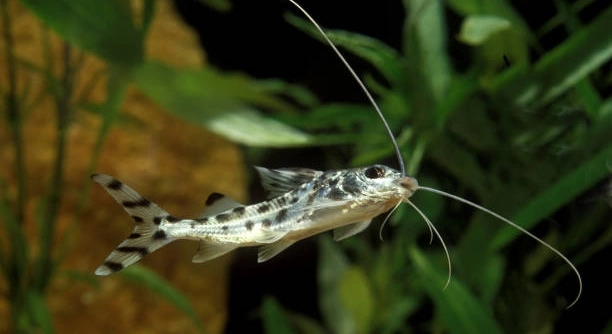
Pictus catfish are popular freshwater fish known for their active behavior and peaceful nature. Maintaining the right water temperature is essential for their health and well-being. Proper temperature care helps these fish thrive in home aquariums.
Keeping pictus catfish healthy requires maintaining a stable temperature between 74°F and 79°F. Temperatures outside this range can stress the fish, weaken their immune system, and lead to illness. Consistent monitoring and adjustment are critical for their long-term health.
Understanding temperature needs is just one step in caring for your pictus catfish. The following tips will guide you to create the best environment for these lively fish to flourish.
Ideal Temperature Range for Pictus Catfish
Maintaining the ideal temperature range for pictus catfish is crucial for their health. These fish thrive best between 74°F and 79°F. Temperatures lower than 74°F slow their metabolism and reduce activity levels, making them vulnerable to illness. Higher temperatures above 79°F can increase their stress and decrease oxygen levels in the water. Sudden temperature changes should be avoided, as they can shock the fish and lead to serious health problems. Using a reliable aquarium heater and thermometer helps keep the water within this stable range. Regular monitoring is important, especially during seasonal changes. Pictus catfish are sensitive to their environment, and consistent temperature control helps support their immune system, feeding behavior, and overall well-being. Keeping the tank environment stable also encourages natural behavior and prevents common diseases caused by temperature fluctuations. Maintaining this temperature range is one of the simplest ways to ensure your pictus catfish remains healthy and active.
Proper equipment and daily checks prevent temperature swings that stress your fish. Consistency is key.
Regular water testing and heater calibration are essential for long-term success. Temperature stability helps your catfish stay healthy and enjoy their environment fully. Being proactive about temperature care reduces the risk of illness and supports your fish’s natural habits. A well-maintained temperature creates a balanced habitat that encourages normal feeding and movement, which are signs of a thriving pictus catfish. Many health issues in aquariums come from poor temperature management, so paying close attention to this detail can make a significant difference. Remember that small tanks tend to have more rapid temperature changes, so extra vigilance is necessary. Adjusting temperature gradually when needed protects your catfish from shock. Overall, careful temperature control is one of the best ways to promote long-term health and comfort for your pictus catfish.
Using Aquarium Heaters Effectively
Aquarium heaters are necessary tools for maintaining stable temperatures. A good quality heater with an adjustable thermostat ensures precise control. Choose a heater appropriate for your tank size to avoid overheating or underheating. Heaters should be placed where water flow distributes warmth evenly throughout the tank. Regular checks help avoid heater malfunctions that could harm your fish.
Selecting the right heater and placement prevents temperature inconsistencies.
When choosing a heater for your pictus catfish tank, it is important to consider both size and features. Heaters that come with built-in thermostats provide consistent temperature control and reduce the risk of overheating. Positioning the heater near a filter outlet or a location with good water circulation allows heat to spread evenly, avoiding hot or cold spots. It is advisable to have a backup heater or a temperature alert system, especially if you live in an area with unstable power supply. In case of power failure, sudden temperature drops can harm your fish, so preparedness is essential. Avoid heaters with exposed heating elements, as they can injure your catfish. Always read the manufacturer’s instructions for proper installation and maintenance. Regularly inspect the heater for signs of wear or damage and replace it as needed. Effective use of aquarium heaters supports a healthy environment and helps your pictus catfish thrive.
Monitoring Water Temperature Regularly
Consistent monitoring is essential for keeping your pictus catfish healthy. Use a reliable aquarium thermometer to check the temperature daily. This helps catch any fluctuations early and allows quick adjustments to maintain a stable environment.
Thermometers come in different types, including digital and stick-on models. Digital thermometers provide precise readings and often include alerts for temperature changes. Stick-on thermometers are easy to use but may be less accurate. Position the thermometer away from heaters and filters to avoid false readings. Taking regular temperature readings helps identify patterns and potential issues before they harm your fish. Keeping a temperature log can assist in tracking any irregularities, especially during seasonal changes or after maintenance. Accurate monitoring ensures you maintain the ideal temperature range for your pictus catfish, supporting their health and activity.
In addition to daily checks, consider backup systems like temperature alarms or remote monitoring devices. These tools alert you to sudden changes, offering peace of mind when you are away. Combining technology with routine care gives your fish the best chance to thrive.
Avoiding Sudden Temperature Changes
Sudden temperature changes are stressful for pictus catfish and can lead to illness. Gradual adjustments when changing water or moving fish between tanks minimize stress. Avoid placing the tank near windows or vents where temperature shifts occur quickly.
To prevent temperature shocks, always match the new water temperature closely when performing water changes. Use a thermometer to check both the tank and replacement water before adding it. When introducing new fish, float their bag in the tank for 15–20 minutes to equalize temperatures. Moving fish too quickly between environments with different temperatures can cause shock and increase susceptibility to disease. Consistent tank placement away from direct sunlight, air conditioning, or heating vents reduces temperature swings. Maintaining a stable temperature environment supports the immune system of your pictus catfish and prevents common health issues. Gradual changes protect their natural behaviors and reduce mortality risks in the aquarium.
Choosing the Right Tank Location
Place your pictus catfish tank away from direct sunlight and air vents. These areas cause temperature fluctuations that stress the fish. A stable environment supports their health and activity.
Avoid locations near windows or doors that open often. Frequent drafts or heat exposure can disrupt water temperature and harm your fish.
Using Insulation to Maintain Temperature
Insulating your aquarium helps keep temperature stable, especially in rooms with variable climate control. Materials like foam or aquarium insulation kits reduce heat loss. This creates a more consistent environment, reducing the workload on your heater and protecting your fish from sudden temperature drops during cold weather or air conditioning use.
Adjusting Temperature for Breeding
Pictus catfish may require slight temperature changes to encourage breeding. Raising the water temperature by a few degrees, usually around 79°F, can stimulate spawning behavior. This change should be gradual and temporary, returning to the normal range once breeding is complete.
FAQ
What is the best temperature range for pictus catfish?
The ideal temperature range for pictus catfish is between 74°F and 79°F. Staying within this range helps keep their metabolism steady and immune system strong. Temperatures outside this range can cause stress, reduce activity, and increase the risk of illness. Maintaining a consistent temperature is key for their overall health and longevity.
How often should I check the temperature in my pictus catfish tank?
It is best to check the water temperature daily. Regular monitoring allows you to spot any changes quickly before they affect the fish. Using a reliable thermometer, whether digital or stick-on, ensures accurate readings. Recording the temperature can help track fluctuations over time and guide adjustments as needed.
Can pictus catfish tolerate slight temperature changes?
Pictus catfish can handle minor temperature variations, but sudden or large changes can be harmful. Gradual adjustments are important to avoid stress. For example, when changing water or moving fish, slowly match the new temperature to the tank to minimize shock.
What happens if the tank temperature is too low?
If the temperature drops below 74°F, pictus catfish may become lethargic and eat less. Their metabolism slows down, weakening their immune response. Prolonged exposure to cold water can lead to infections and even death. Maintaining warmth helps keep them active and healthy.
What if the temperature gets too high?
Temperatures above 79°F increase the fish’s stress and reduce oxygen levels in the water. This can cause rapid breathing, restlessness, and vulnerability to diseases. High heat also shortens their lifespan if it persists. It’s important to keep the temperature stable to avoid overheating.
Do pictus catfish need a heater in their tank?
Yes, a heater is essential in most home aquariums to keep the water temperature stable. Choose a heater suitable for your tank size with an adjustable thermostat. This helps maintain the ideal temperature range and prevents dangerous fluctuations.
Where should I place the aquarium heater?
Place the heater near an area with good water circulation, like close to a filter outlet. This allows heat to distribute evenly throughout the tank, avoiding hot or cold spots. Proper placement ensures the whole tank stays within the desired temperature range.
How do I prevent sudden temperature changes in the tank?
Avoid placing the tank near windows, doors, or vents where temperature changes happen frequently. When doing water changes, match the temperature of new water with the tank water before adding it. Slowly acclimate new fish by floating their bag in the tank water for 15 to 20 minutes.
Can insulation help with temperature control?
Yes, insulating the aquarium with foam or specialized kits helps keep water temperature steady. Insulation reduces heat loss during cold weather or from air conditioning, easing the heater’s workload. It creates a safer, more stable environment for pictus catfish.
Is it okay to raise the temperature for breeding?
Raising the temperature slightly to about 79°F can encourage breeding behavior in pictus catfish. This increase should be gradual and temporary. After spawning, return the temperature to the normal range to avoid stressing the fish.
What type of thermometer is best for monitoring temperature?
Digital thermometers offer precise readings and some include alarms for temperature changes. Stick-on thermometers are easy to use but may be less accurate. Choose a thermometer you find reliable and place it where it won’t be affected by heaters or filters.
What signs indicate temperature stress in pictus catfish?
Signs include lethargy, loss of appetite, rapid breathing, and hiding. Fish may also show unusual swimming patterns or increased susceptibility to disease. These symptoms often signal that the tank temperature is not within the ideal range.
How does tank size affect temperature stability?
Smaller tanks are more prone to rapid temperature changes because of their lower water volume. Larger tanks tend to hold heat better and are easier to keep stable. Extra care is needed with small tanks to monitor temperature closely and avoid sudden shifts.
What should I do if my heater fails?
If the heater stops working, use a temporary heat source like a heat lamp or move the fish to a warm water container. Check and replace the heater immediately. Having a backup heater or temperature alert system can prevent emergencies.
Can pictus catfish live without a heater?
In tropical climates where room temperature stays stable between 74°F and 79°F, pictus catfish may survive without a heater. However, most indoor environments require a heater to maintain this consistent temperature for their health and comfort.
Final Thoughts
Maintaining the right temperature is one of the most important factors in caring for pictus catfish. These fish need stable water temperatures between 74°F and 79°F to stay healthy and active. Temperature fluctuations can cause stress, weaken their immune system, and lead to illness. By keeping the water temperature consistent, you create a comfortable environment that supports their natural behavior and overall well-being. Paying attention to this detail shows how much you care about your fish and helps them live longer.
Using a quality aquarium heater and thermometer is essential in most cases. Heaters help maintain the ideal temperature, especially when room temperatures change with the seasons. Thermometers let you monitor the water closely and catch problems early. It’s important to place the heater and thermometer correctly so the temperature stays even throughout the tank. Regular checks and maintenance of equipment prevent sudden failures that could harm your fish. Taking these steps reduces stress and makes your tank a safer place for your pictus catfish.
Finally, small habits like avoiding sudden temperature changes, insulating the tank, and choosing the right location can make a big difference. Gradual temperature adjustments during water changes and when introducing new fish protect them from shock. Insulation helps keep the tank temperature stable during colder or hotter weather. Placing the aquarium away from drafts or direct sunlight prevents unwanted fluctuations. Paying attention to these details ensures your pictus catfish thrive in their aquarium. Caring for temperature is a simple yet vital part of responsible fishkeeping.

Hello,
If you enjoy the content that we create, please consider saying a "Thank You!" by leaving a tip.
Every little bit helps us continue crafting quality advice that supports the health, happiness, and well-being of pets around the world, for pets of all shapes, sizes, and species.
We really appreciate the kindness and support that you show us!