
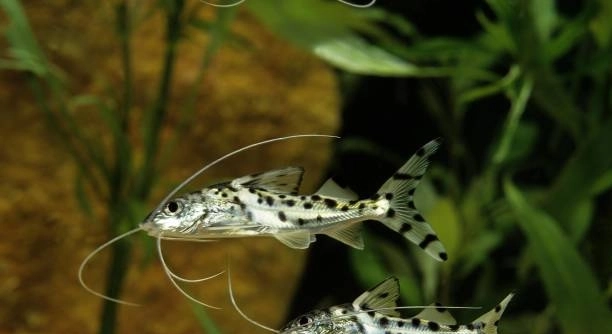
Do you ever find yourself struggling to keep your Pictus catfish comfortable in your aquarium? Maintaining the right temperature is key to their health and well-being. Many fish owners make avoidable errors when managing tank conditions.
Temperature mistakes with Pictus catfish often result from improper settings, sudden fluctuations, or ignoring species-specific needs. These errors can cause stress, illness, and even death, so understanding and controlling the tank temperature is essential for their survival and growth.
Learning to avoid these common temperature pitfalls can make a big difference in your fish’s life. This guide will help you create a stable environment for your Pictus.
Setting the Wrong Temperature Range
Many people assume that Pictus catfish can tolerate a wide range of temperatures, but that’s not true. These fish do best between 74°F and 79°F (23°C to 26°C). If the water is too cold, their metabolism slows down, and they become sluggish. Too warm, and they can get stressed, which lowers their immune system and makes them prone to diseases. It’s easy to think a little change won’t matter, but even a few degrees off can cause problems over time. Keeping a reliable aquarium heater and thermometer is important to maintain this stable range. Also, sudden temperature changes when doing water changes can shock them, so it’s best to match new water to the tank temperature. Regular checks help avoid mistakes and keep your Pictus healthy and active in their environment.
Using a proper heater and monitoring regularly prevents harmful temperature swings in the tank.
Many Pictus owners overlook the importance of stable temperature. Sudden drops or spikes can stress your fish without obvious signs at first. Stress reduces appetite and weakens resistance to infections. Over time, this can lead to long-term health issues or early death. By keeping the water consistently within the right range, you ensure your fish stays active and healthy. Using a digital thermometer with alerts can help you catch problems early. Avoid placing the aquarium near windows or vents where temperatures fluctuate. Maintaining this steady environment is one of the simplest ways to support your Pictus’s well-being.
Ignoring Nighttime Temperature Drops
At night, the temperature in your home can drop, and so can your aquarium’s. Pictus catfish are sensitive to these changes, which can cause stress or illness.
Even a small temperature drop overnight can affect Pictus health. Many heaters don’t react quickly enough to maintain warmth during cooler nights, causing temperature swings. This inconsistency weakens their immune system, making them vulnerable to infections. To prevent this, use an aquarium heater with a built-in thermostat designed to keep the temperature steady 24/7. Placing a tank cover can also reduce heat loss. Being mindful of nighttime changes will protect your fish from avoidable stress. Keeping the temperature consistent day and night helps maintain a healthy, thriving aquarium.
Overheating the Tank
Overheating is a common mistake with Pictus tanks. Temperatures above 79°F can cause stress and oxygen depletion.
When the water gets too warm, the fish’s breathing becomes difficult because warmer water holds less oxygen. This can make your Pictus restless and weak. Heat also speeds up their metabolism, leading to faster aging and shorter lifespan. It’s important not to set the heater too high or place the aquarium in direct sunlight. Using a fan or cooling system during hot months can help keep the tank temperature safe and stable.
Consistent monitoring during summer or in warm climates is crucial. Avoid sudden spikes caused by room temperature changes. Overheated water reduces the overall health of the tank, affecting plants and other fish too. Keeping the environment cool enough helps your Pictus stay calm and energetic.
Using Inaccurate Thermometers
Relying on cheap or poorly calibrated thermometers can lead to wrong temperature readings.
Inaccurate thermometers may show the water is fine when it’s actually too hot or cold. This can mislead you into thinking everything is normal, while your fish suffer quietly. It’s better to invest in a quality digital thermometer with good reviews. Place it in the middle of the tank, away from the heater or filter, to get the most accurate reading. Regularly check and recalibrate if needed.
Monitoring the tank temperature accurately is the foundation of proper care. Without reliable tools, you risk exposing your fish to harmful conditions. Even a small error in measurement can lead to serious health problems over time. Accurate readings let you make timely adjustments to the heater or cooling system and maintain a balanced environment for your Pictus.
Not Adjusting Temperature for New Fish
New Pictus brought into a tank may need a gradual temperature adjustment.
Sudden changes in water temperature can shock new fish. It’s best to acclimate them slowly by matching their original water temperature with your tank before releasing them.
Overheating During Water Changes
Water changes can cause temperature spikes if the new water isn’t properly matched. Always check the temperature of replacement water carefully. Adding water that is too warm or too cold stresses Pictus and affects their health.
Ignoring Seasonal Temperature Changes
Seasonal shifts in room temperature can affect aquarium heat. Adjust your heater settings as needed throughout the year to keep the tank stable. Regularly monitoring temperature prevents stress caused by unexpected fluctuations.
FAQ
What is the ideal temperature for Pictus catfish?
Pictus catfish thrive best in water between 74°F and 79°F (23°C to 26°C). This range supports their metabolism, activity, and immune system. Temperatures outside this range can cause stress or illness. Maintaining a stable environment within these limits is crucial for their health.
How can I prevent sudden temperature changes in my tank?
To avoid sudden temperature swings, always match new water to the tank temperature before adding it during water changes. Use a reliable heater with a thermostat and avoid placing the aquarium near windows, air vents, or heaters. Regular monitoring helps catch fluctuations early.
Can Pictus catfish survive in cooler water?
While Pictus catfish can tolerate slightly cooler water for short periods, prolonged exposure below 74°F slows their metabolism and weakens their immune system. This can make them lethargic and vulnerable to disease, so it’s best to keep the temperature consistent within their preferred range.
What happens if the tank overheats?
When the tank temperature rises above 79°F, oxygen levels drop, making it harder for Pictus to breathe. Heat also increases their metabolic rate, causing stress and reducing lifespan. Overheated water can also harm plants and other tank inhabitants.
How accurate should my thermometer be?
Accuracy is essential. Cheap or poorly calibrated thermometers can give misleading readings, putting your fish at risk. A good-quality digital thermometer with a clear display is recommended. Place it away from heaters and filters to get the most reliable temperature readings.
How do I acclimate new Pictus catfish to my tank?
Acclimation is best done slowly. Float the sealed bag in your tank to equalize temperature for about 15–20 minutes. Gradually add small amounts of tank water into the bag over an hour before releasing the fish. This helps reduce shock from temperature and water chemistry changes.
Should I adjust the heater settings with the seasons?
Yes, seasonal changes affect room temperature and your tank. In winter, you may need to increase heater settings, while in summer, a cooling method or lower heater setting can prevent overheating. Consistent monitoring ensures your fish stay comfortable year-round.
What are signs of temperature stress in Pictus catfish?
Common signs include lethargy, loss of appetite, erratic swimming, and hiding more than usual. If you notice these, check your tank temperature immediately. Prolonged stress can lead to disease, so act quickly to correct any temperature problems.
Can temperature affect the breeding behavior of Pictus?
Yes, temperature plays a role in breeding. Stable temperatures within the preferred range encourage healthy behavior and spawning. Fluctuations or extremes can prevent breeding or cause stress, reducing the chance of successful reproduction.
Is it safe to use aquarium heaters with a thermostat?
Absolutely. Heaters with built-in thermostats regulate temperature automatically and help maintain a steady environment. They prevent overheating by switching off when the water reaches the set temperature and turning back on if it drops.
How often should I check my aquarium temperature?
Daily checks are ideal, especially for sensitive species like Pictus. Frequent monitoring helps you spot issues early. Automated alerts from digital thermometers can also be helpful, especially when you are away.
Can other equipment affect tank temperature?
Yes, filters and lighting can slightly raise water temperature. High-wattage lights, especially, produce heat. Be aware of this when setting your heater and adjust accordingly to avoid overheating.
What is the best placement for a thermometer in a Pictus tank?
Place the thermometer in the middle of the tank, away from the heater and filter outlets. This gives a more accurate reading of the overall water temperature, rather than localized hot or cold spots.
Is a temperature fluctuation of 1–2 degrees harmful?
Small fluctuations can be tolerated, but frequent or sudden changes of 1–2 degrees can stress your fish. Consistency is more important than exact numbers, so aim for stable conditions with minimal variation.
Can temperature mistakes cause diseases in Pictus catfish?
Yes, temperature stress lowers their immune response, making them prone to infections like fungal or bacterial diseases. Keeping the tank temperature stable helps prevent illness and promotes faster recovery if they get sick.
What should I do if my tank temperature suddenly rises or falls?
Identify the cause immediately. Check your heater and thermostat for faults. Adjust room temperature if possible. Perform partial water changes with water at the correct temperature. If needed, use cooling fans or tank covers to stabilize conditions quickly.
Maintaining the right temperature for your Pictus catfish is one of the most important parts of keeping them healthy. These fish need a stable environment between 74°F and 79°F to thrive. Even small changes in temperature can affect their behavior, appetite, and overall well-being. When the water is too cold, their metabolism slows down, and they become less active. When it is too warm, they can become stressed and tired, which makes them more likely to get sick. Keeping the water temperature steady helps your Pictus stay active and live longer. It also supports their immune system so they can fight off diseases better.
Using the right equipment can make managing temperature much easier. A good-quality heater with a built-in thermostat will keep the water at the right level without you needing to adjust it every day. A reliable thermometer helps you monitor the temperature accurately. Avoid cheap or faulty devices because they can give wrong readings, making you think the water is fine when it is not. Also, be mindful of the temperature in your room. Sudden changes in the room’s temperature can affect the tank, especially at night or during different seasons. Regularly checking the tank and adjusting the heater settings when needed can prevent these problems. Adding a tank cover or using a small fan can help keep the temperature steady in extreme weather.
Finally, remember that small mistakes with temperature control can lead to bigger problems with your fish’s health. Stress from temperature swings weakens their bodies and can lead to illness or even death. Taking simple steps, like matching the water temperature during water changes, slowly acclimating new fish, and avoiding overheating, will protect your Pictus. Keeping an eye on temperature is not difficult but requires attention and care. When you create a stable and comfortable environment for your Pictus catfish, you help them live a happier, healthier life. This makes your aquarium more enjoyable and rewarding to maintain.

Hello,
If you enjoy the content that we create, please consider saying a "Thank You!" by leaving a tip.
Every little bit helps us continue crafting quality advice that supports the health, happiness, and well-being of pets around the world, for pets of all shapes, sizes, and species.
We really appreciate the kindness and support that you show us!