
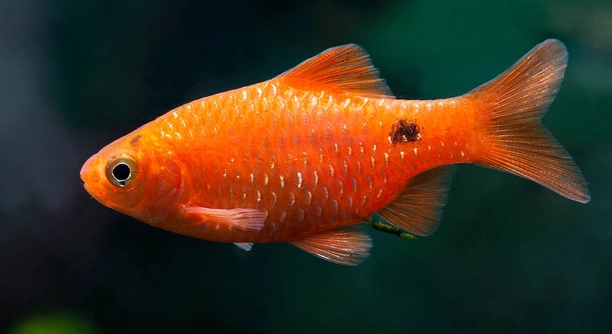
Rosy Barbs are colorful and lively fish often kept in home aquariums. Their health depends a lot on stable water conditions. Sudden changes in temperature can make them stressed and affect their well-being.
Temperature fluctuations that are too rapid or extreme can cause significant stress in Rosy Barbs. These changes disrupt their metabolism, weaken their immune system, and increase susceptibility to disease, ultimately affecting their behavior and lifespan.
Knowing which temperature shifts impact Rosy Barbs the most can help you maintain a healthier aquarium environment for them.
Rapid Temperature Drops
When the water temperature in your tank suddenly drops, Rosy Barbs can quickly become stressed. These fish are used to stable temperatures, and a quick chill makes their bodies work harder to adjust. This extra effort can weaken their immune systems, making them more likely to catch illnesses. You might notice your Rosy Barbs hiding more or swimming slower after a sudden temperature drop. It’s important to keep your aquarium heater consistent and avoid turning it off abruptly. Even small, quick decreases in temperature can cause discomfort and affect their overall health. Monitoring the water temperature regularly helps keep their environment stable and reduces stress. Taking care to avoid sudden changes will help your fish stay active and healthy, letting you enjoy their vibrant colors without worry.
Sudden temperature drops cause stress by forcing Rosy Barbs to adjust quickly, which can weaken their health and behavior.
Keeping water temperature steady prevents illness and keeps your Rosy Barbs comfortable and lively in the aquarium.
Gradual Temperature Changes
Gradual temperature shifts are less stressful for Rosy Barbs compared to sudden drops. These fish can adapt better when changes happen slowly over hours or days. For example, a small increase of 1–2 degrees per day is easier for them to handle. This slow adjustment gives their bodies time to acclimate, maintaining normal metabolism and immune response. In nature, water temperatures often change gradually with the seasons, so Rosy Barbs are somewhat adapted to this. However, even slow changes should be monitored carefully to avoid going outside their ideal temperature range of 22–28°C (72–82°F). Proper aquarium management, including using a reliable heater and thermometer, helps maintain safe conditions. If you notice stress signs during slow temperature changes, double-check your setup and make adjustments as needed. Maintaining this balance ensures your fish remain healthy and stress-free.
Slow temperature changes reduce stress, but careful monitoring is necessary to keep Rosy Barbs within their safe temperature range.
Keeping temperature within the ideal range while changing slowly supports Rosy Barbs’ health. Use reliable equipment to maintain this balance and watch for signs of stress during adjustments. Proper care helps them thrive and stay vibrant.
Nighttime Temperature Drops
Nighttime temperature drops in an aquarium are common but can still affect Rosy Barbs. Even a small decrease of a few degrees may cause mild stress if it happens suddenly.
This drop often happens because room temperatures fall at night. Without a proper heater or insulation, the tank water cools down faster than during the day. Rosy Barbs can feel this change as their metabolism slows down, making them less active. If the temperature falls too low or too quickly, it may weaken their immune system, increasing the risk of illness. Using a heater with a thermostat and insulating the tank can help maintain a more stable temperature throughout the night.
Monitoring temperature differences between day and night and minimizing sudden changes will protect your Rosy Barbs from unnecessary stress. Keeping nighttime drops gradual and small is best for their health and comfort.
Seasonal Temperature Fluctuations
Seasonal changes outside the home affect aquarium water temperature, especially if the tank is near windows or walls. These natural temperature swings can stress Rosy Barbs if they are large or abrupt.
During winter, cooler room temperatures cause the aquarium to lose heat, while summer heat can raise water temperature unexpectedly. These seasonal shifts can disrupt Rosy Barbs’ metabolism and immune function. Placing the tank away from direct sunlight or drafts and using heaters or chillers can help control these changes. Regularly checking water temperature and adjusting equipment as seasons change will keep conditions stable. Preparing for seasonal variations protects your fish from stress-related problems and supports their overall health throughout the year.
Sudden Temperature Spikes
Sudden temperature spikes can shock Rosy Barbs and cause immediate stress. This often happens when a heater malfunctions or if warm water is added too quickly during water changes.
A quick rise in temperature speeds up their metabolism abruptly, which can lead to fatigue and increased vulnerability to disease. Always add new water slowly and check your heater regularly to avoid dangerous spikes.
Temperature Differences Within the Tank
Temperature may vary in different parts of the aquarium, especially in larger tanks. These uneven temperatures can cause Rosy Barbs to move constantly, seeking comfort.
Fish swimming back and forth use more energy and can become stressed. Using a good circulation system and placing heaters properly helps maintain even temperature throughout the tank.
Improper Temperature Range
Keeping the water temperature outside Rosy Barbs’ ideal range harms their health. Temperatures too low or too high affect their immune system and behavior.
Maintaining water between 22–28°C (72–82°F) is essential for their comfort and longevity.
FAQ
What is the ideal temperature for Rosy Barbs?
Rosy Barbs thrive best in water temperatures between 22°C and 28°C (72°F to 82°F). Staying within this range supports their metabolism, immune system, and activity levels. Temperatures outside this range can cause stress, making them more prone to illness or unusual behavior.
How fast should I change the temperature in the tank?
Temperature changes should be gradual, ideally no more than 1 to 2 degrees Celsius per day. Sudden or rapid shifts can shock Rosy Barbs, leading to stress or health issues. Using a reliable heater and thermometer helps you control and monitor the water temperature safely.
Can room temperature affect my aquarium?
Yes, the room’s temperature influences the tank, especially if it’s near windows, doors, or vents. Cold drafts or direct sunlight can cause temperature fluctuations. Keeping the aquarium in a stable environment away from extreme conditions helps prevent stress on your fish.
What happens if the temperature drops at night?
Nighttime temperature drops are common but can stress Rosy Barbs if the drop is quick or too large. Using a heater with a thermostat and insulating the tank minimizes these changes. Keeping nighttime drops small and slow prevents unnecessary stress and keeps fish healthy.
Are sudden temperature spikes dangerous for Rosy Barbs?
Sudden spikes are harmful because they cause rapid metabolic changes that fish cannot adjust to quickly. Heater malfunctions or adding warm water too fast during water changes can cause spikes. Always add water slowly and maintain equipment to avoid this problem.
How can I prevent temperature differences within the tank?
Uneven temperature zones can stress Rosy Barbs as they swim around looking for comfort. Use a heater placed in an area with good water circulation and consider adding a filter or pump that improves flow. This helps keep the temperature uniform throughout the tank.
What signs show that Rosy Barbs are stressed by temperature?
Look for slower swimming, hiding more than usual, loss of appetite, or faded colors. These signs often indicate stress due to temperature issues. Immediate adjustments to the tank’s environment can help your fish recover and stay healthy.
Is it okay to add cold water during water changes?
No, adding cold water can shock Rosy Barbs and cause stress. Always match the new water temperature closely with the tank’s current temperature. Slowly mixing new water before adding it helps maintain a stable environment.
Can seasonal changes harm my aquarium fish?
Yes, seasonal temperature swings, especially if your tank is near windows or walls, can stress your fish. These changes may cause their immune systems to weaken. Using heaters or chillers and regularly monitoring temperature helps protect your Rosy Barbs through different seasons.
How often should I check the aquarium temperature?
Check the temperature daily or at least every other day. Frequent checks allow you to spot any problems early, like heater failure or unexpected temperature changes. Consistent monitoring ensures your Rosy Barbs live in a stable and comfortable environment.
Maintaining a stable temperature in your Rosy Barbs’ aquarium is essential for their health and happiness. These fish thrive best when water conditions remain steady and within their ideal range of 22 to 28 degrees Celsius. Sudden or extreme temperature changes put stress on their bodies, making them more vulnerable to illness and affecting their behavior. Paying close attention to the tank’s temperature can prevent many common problems and help your fish live longer, healthier lives. Using a reliable heater and thermometer are simple steps that go a long way in creating a safe environment.
It’s also important to understand how different types of temperature changes affect Rosy Barbs. Sudden drops or spikes cause the most stress because the fish have little time to adjust. Gradual changes, such as those occurring slowly over a day or due to seasonal shifts, are easier for them to handle but still need monitoring. Nighttime temperature drops are natural but should not be too large or fast. Keeping water temperature consistent and minimizing fluctuations supports their metabolism and immune systems, which helps prevent illness and keeps their colors bright.
By regularly checking the water temperature and making small adjustments as needed, you can protect your Rosy Barbs from avoidable stress. Avoiding quick changes when adding new water, placing the tank away from drafts or direct sunlight, and ensuring good water circulation are additional steps that help maintain balance. The more stable the environment, the better your fish will feel. Taking these precautions will make your aquarium a comfortable home for your Rosy Barbs and a more enjoyable experience for you.

Hello,
If you enjoy the content that we create, please consider saying a "Thank You!" by leaving a tip.
Every little bit helps us continue crafting quality advice that supports the health, happiness, and well-being of pets around the world, for pets of all shapes, sizes, and species.
We really appreciate the kindness and support that you show us!