
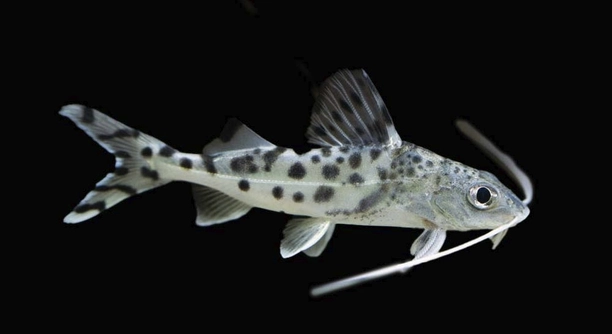
Are your Pictus catfish experiencing unusual stress or health issues? Temperature changes in their environment can cause serious harm. Keeping their tank stable is essential for their well-being and longevity.
Temperature fluctuations disrupt Pictus catfish metabolism and immune function. Sudden shifts can cause stress, reduce oxygen availability, and increase susceptibility to diseases, ultimately leading to weakened health and higher mortality rates. Consistent water temperature is critical for their survival.
Understanding these temperature effects can improve care practices and help maintain a healthy environment for your Pictus. Maintaining stability will support their natural behavior and overall vitality.
Rapid Temperature Changes
Rapid temperature changes can shock Pictus catfish, causing stress that affects their health. These fish thrive in stable water conditions, so sudden shifts in temperature disrupt their internal balance. Stress from temperature shock weakens their immune systems, making them vulnerable to infections and diseases. In some cases, extreme temperature swings can cause physical harm or even death. It is important to monitor water temperature carefully and avoid quick adjustments. Using a reliable heater and thermometer helps maintain a consistent environment. Gradual temperature changes are much safer if adjustments are necessary. Pictus catfish are sensitive to fluctuations because they come from tropical habitats with relatively steady water conditions. Keeping their environment stable supports their natural behavior and growth, promoting a longer, healthier life. Many aquarium keepers underestimate how damaging rapid temperature shifts can be, leading to unnecessary health problems. Preventing rapid changes is a simple but effective way to protect your fish.
Sudden temperature shifts can cause severe stress and increase susceptibility to diseases in Pictus catfish.
Maintaining steady water temperature minimizes stress and reduces the risk of illness. Monitoring equipment regularly ensures gradual changes when needed, protecting your fish from harm. Consistency in their aquatic environment is crucial for their overall health and longevity.
Prolonged Exposure to Cold
Pictus catfish are tropical fish that require warm water to function properly. Prolonged exposure to cold water slows down their metabolism and weakens their immune system. When temperatures drop below their ideal range, their bodily processes become sluggish. This causes decreased activity levels, loss of appetite, and difficulty in fighting off infections. If cold conditions persist, they may develop illnesses or become more vulnerable to parasites. It is essential to keep the tank temperature within the recommended range of about 75 to 82 degrees Fahrenheit. Using a reliable aquarium heater can prevent cold exposure and help maintain stable warmth. Additionally, avoid placing the tank near drafts, windows, or air conditioners. Sudden cold snaps are harmful, but even slight drops maintained over time can cause damage. Monitoring temperature daily and adjusting equipment promptly will protect Pictus catfish from the harmful effects of cold stress.
Cold water slows metabolism and increases illness risk in Pictus catfish.
Ensuring the tank stays within the proper temperature range helps keep your fish active and healthy. Proper heating and placement of the aquarium are key to avoiding cold stress.
Sudden Temperature Drops
Sudden temperature drops cause immediate stress for Pictus catfish. Their bodies struggle to adjust quickly, which can lead to shock and illness.
When the water temperature falls sharply, Pictus catfish experience rapid changes in metabolism and oxygen intake. This sudden shift can cause them to become lethargic and lose appetite. Prolonged exposure to cold without recovery periods can weaken their immune systems. The stress also increases their vulnerability to bacterial and fungal infections. Frequent temperature drops might lead to long-term health issues or even death if not addressed promptly. To prevent this, avoid placing the tank near windows, air conditioners, or places with fluctuating room temperatures. Using a stable heater with a thermostat helps maintain consistent warmth. Regular monitoring is essential, especially during seasonal changes, to protect these sensitive fish from harmful temperature shocks.
Consistent water temperature is crucial to avoid the damaging effects of sudden cold exposure. Stability supports their health and reduces stress-related problems.
Overheating in the Tank
Overheating in the aquarium can be just as harmful as cold stress. High temperatures increase metabolism and reduce oxygen levels, causing distress.
When the tank temperature rises above 82 degrees Fahrenheit, Pictus catfish face serious health risks. Elevated heat accelerates their metabolic rate, making them use more oxygen. Since warmer water holds less dissolved oxygen, fish can suffer from oxygen deprivation. Overheating also increases the risk of bacterial and parasitic infections. Prolonged exposure to heat causes fatigue and weakens their immune response. To prevent overheating, avoid placing the tank near direct sunlight or heat sources. Using a reliable cooling system or fans helps maintain a safe temperature range. Regular water changes can also improve oxygen levels and reduce heat buildup. Careful temperature control ensures a stable environment and supports the well-being of your Pictus catfish.
Nighttime Temperature Drops
Nighttime often brings cooler temperatures that can stress Pictus catfish. Sudden nighttime cooling disrupts their normal routine and causes discomfort.
These drops can be more harmful if the tank isn’t properly insulated or heated. Consistent temperature control during night hours is essential to avoid stress and health issues.
Fluctuating Temperatures from Poor Equipment
Faulty heaters or thermostats cause unstable temperatures, leading to frequent fluctuations in the tank. This instability stresses Pictus catfish and weakens their immune systems.
Repeated temperature swings due to malfunctioning equipment disrupt metabolic processes and increase susceptibility to diseases. Regular maintenance and testing of heating devices are necessary to ensure stable conditions and protect your fish’s health.
Temperature Spikes from External Heat Sources
External heat sources can cause sudden spikes in tank temperature. These spikes may rapidly increase water warmth, stressing the fish and reducing oxygen levels.
Inconsistent Temperature During Water Changes
Water changes with cooler or warmer water cause inconsistent temperature shifts that can shock Pictus catfish.
FAQ
What temperature range is best for Pictus catfish?
Pictus catfish do best in water temperatures between 75 and 82 degrees Fahrenheit. Staying within this range supports their metabolism and immune system. Temperatures outside this range can cause stress and health problems, so monitoring and maintaining this range is crucial.
How can I prevent temperature fluctuations in my aquarium?
Use a reliable aquarium heater with a built-in thermostat to keep the temperature steady. Avoid placing the tank near windows, air conditioners, or heating vents. Regularly check your equipment for faults. Insulating the tank or room can also help reduce temperature swings caused by external factors.
Why is sudden temperature change harmful to Pictus catfish?
Sudden changes shock their system. Rapid temperature shifts disrupt their metabolism and oxygen absorption, leading to stress. Stress lowers their resistance to diseases and can cause behavioral changes like lethargy or loss of appetite. Gradual temperature adjustments are safer for their health.
What are signs that my Pictus catfish is stressed from temperature?
Look for signs such as reduced activity, hiding, loss of appetite, gasping at the surface, or clamped fins. These behaviors suggest discomfort and potential illness. If you notice these signs, check your tank’s temperature immediately and correct any issues.
Can temperature fluctuations cause diseases in Pictus catfish?
Yes. Stress from unstable temperatures weakens their immune system, making them prone to bacterial, fungal, or parasitic infections. Preventing temperature swings helps keep their immune system strong and reduces disease risk.
Is it okay to turn off the heater at night?
It is generally not recommended. Nighttime temperature drops can stress Pictus catfish. Keeping the heater on ensures a stable environment. If you worry about overheating, consider a thermostat-controlled heater that adjusts automatically to maintain the correct temperature.
How should I adjust the temperature if I need to change it?
Make changes slowly, ideally no more than 1-2 degrees Fahrenheit per day. Sudden shifts cause stress. Gradual adjustments give your fish time to adapt without harmful effects.
What can I do if my tank overheats?
Move the tank away from direct sunlight or heat sources. Use a fan or aquarium chiller to cool the water if necessary. Performing partial water changes with slightly cooler water can help lower the temperature safely. Always monitor levels closely.
How often should I check my aquarium’s temperature?
Daily temperature checks are ideal. This helps catch any fluctuations early and prevents stress on your fish. Using a digital thermometer with an alarm can provide constant monitoring and peace of mind.
Can water changes cause temperature fluctuations?
Yes. Adding water that is too cold or too warm can shock Pictus catfish. Always match the new water’s temperature closely to the tank’s current temperature before adding it. This reduces sudden changes and protects your fish’s health.
What is the impact of temperature fluctuations on Pictus catfish behavior?
Fluctuations can cause increased hiding, reduced swimming activity, or erratic movements. These behaviors indicate discomfort and stress. Stable temperatures support normal, healthy behavior and activity levels.
How can I insulate my aquarium to prevent temperature swings?
Placing the tank away from windows, doors, or drafty areas helps. You can also use foam panels or aquarium covers to reduce heat loss. Insulating the room where the aquarium sits may further stabilize temperatures during colder months.
Are some Pictus catfish more tolerant to temperature changes?
Individual tolerance can vary, but generally, Pictus catfish are sensitive to fluctuations due to their natural habitat’s stable tropical climate. It is best to maintain consistent temperatures to avoid risking their health.
What equipment helps maintain stable temperatures?
Reliable heaters with adjustable thermostats, digital thermometers, and aquarium chillers all contribute to maintaining stable water temperatures. Using a combination of these tools ensures a safe environment for your Pictus catfish.
Can temperature fluctuations affect Pictus catfish breeding?
Yes. Unstable temperatures disrupt breeding behavior and reduce success rates. Maintaining steady, ideal conditions encourages healthier spawning and development of fry.
What should I do if my Pictus catfish shows signs of illness from temperature stress?
First, correct any temperature problems immediately. Then, consider isolating the affected fish in a hospital tank to provide treatment if necessary. Consult an aquatic veterinarian for advice on medication or further care. Preventing temperature fluctuations is the best defense.
Maintaining a stable temperature in your Pictus catfish’s aquarium is essential for their health and well-being. These fish come from environments where water temperature remains fairly steady, so sudden or frequent changes can cause stress. Stress weakens their immune system and makes them more likely to get sick. By keeping the water temperature within the recommended range and avoiding rapid fluctuations, you help your fish stay active and healthy. Consistency in temperature is one of the simplest but most important ways to care for Pictus catfish.
It is important to regularly monitor the tank’s temperature with reliable equipment. A good heater with a thermostat helps keep the water warm and steady, while a quality thermometer lets you check conditions often. Avoid placing the aquarium near sources of heat or cold, such as windows or air conditioners, which can cause unwanted temperature swings. If your tank does experience temperature changes, try to make adjustments slowly. Gradual changes reduce the risk of shocking your fish and help them adjust better. Simple steps like these can prevent many common problems related to temperature stress.
Taking care of the temperature also means paying attention to other factors that might affect it, like water changes and seasonal weather. Always use water that is close to the tank’s current temperature during changes. Seasonal changes can bring colder nights or warmer days, so be ready to adjust heating or cooling equipment as needed. Maintaining stable conditions creates a comfortable environment for your Pictus catfish. When their tank remains steady, they show healthier behavior and live longer. Being mindful of temperature helps ensure your fish thrive and remain a beautiful, lively part of your aquarium.

Hello,
If you enjoy the content that we create, please consider saying a "Thank You!" by leaving a tip.
Every little bit helps us continue crafting quality advice that supports the health, happiness, and well-being of pets around the world, for pets of all shapes, sizes, and species.
We really appreciate the kindness and support that you show us!