
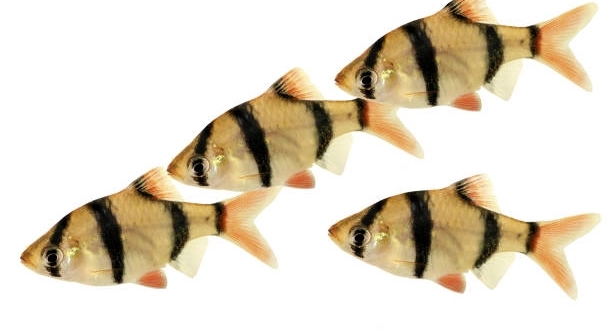
Barbs are popular aquarium fish known for their lively behavior and vibrant colors. They thrive best when their environment stays stable. Temperature changes in their tank can cause stress and lead to health problems.
Barbs dislike sudden or frequent temperature fluctuations because these changes disrupt their metabolism, weaken their immune system, and increase susceptibility to diseases. Consistent water temperature is essential to maintain their well-being and reduce stress levels.
Understanding how temperature shifts affect barbs can help keep them healthy and happy. This article highlights common temperature issues that barbs strongly dislike.
Sudden Drops in Water Temperature
Sudden drops in water temperature are very stressful for barbs. These fish are tropical and need stable warmth to keep their metabolism steady. When the water cools quickly, barbs may become sluggish or stop eating. Their immune system weakens, making them more prone to illness. Sometimes, sudden chills can cause shock or even death if the drop is extreme. It’s important to avoid placing the tank near windows, doors, or air conditioners that cause temperature swings. Using a reliable aquarium heater with a thermostat can help maintain a steady temperature. Regularly checking the water temperature prevents unexpected changes that could harm the fish.
Keeping water temperature steady prevents stress and keeps barbs active and healthy. Sudden cold shocks reduce their ability to fight off infections and recover from illness.
Barbs thrive best when their tank temperature stays between 74°F and 78°F. Keeping the temperature stable within this range reduces health risks. Using a heater with a thermostat helps avoid sudden drops. It’s good to check temperature daily and keep the tank away from drafts or direct sunlight. Small heaters designed for the aquarium size work better than oversized ones because they keep the water steady. If a temperature drop happens, try slowly warming the tank to avoid further stress. Consistency is key to keeping barbs healthy and vibrant over time.
Frequent Temperature Changes
Frequent temperature changes confuse barbs and cause ongoing stress. Even small fluctuations, if repeated often, weaken their immune system.
Repeated shifts in temperature make it hard for barbs to adjust. Their bodies work overtime to balance their metabolism with the changing water conditions. This constant stress can lead to loss of appetite, faded colors, and lethargy. When fish are stressed this way, they become vulnerable to common diseases like ich and fin rot. Maintaining a steady temperature helps keep their natural behaviors and bright colors intact. Sudden heat or cold waves in the tank should be avoided at all costs. Consistent temperature control is essential to support their health and reduce stress-related problems.
It’s important to keep a close eye on the aquarium’s heating system and avoid frequent changes to the environment. Setting the heater to a fixed temperature and using a reliable thermometer can prevent these fluctuations. Avoid adding cold water during water changes without warming it first. If temperature changes are unavoidable, make sure they happen gradually over several hours. Consistency in temperature leads to a calmer, healthier fish community where barbs can thrive without constant stress from the environment.
Rapid Temperature Swings
Rapid temperature swings cause immediate stress in barbs. These fast changes interfere with their breathing and can cause shock.
When the water temperature changes too quickly, barbs struggle to adjust their metabolism. Their gills may have trouble extracting oxygen, leading to labored breathing. This stress weakens their immune response and increases the chance of infections. Rapid swings often happen when cold or hot water is added directly to the tank or when the heater malfunctions. Avoid sudden water changes and always match new water temperature closely to the tank before adding it. Preventing rapid temperature swings helps keep barbs calm and less vulnerable to disease.
To reduce these swings, use a heater with an automatic thermostat and avoid placing the aquarium near heat sources or drafty windows. Regular monitoring helps catch temperature issues before they become dangerous.
Nighttime Temperature Drops
Nighttime temperature drops can catch barbs off guard, causing stress and discomfort. This is common in rooms without proper temperature control.
When temperatures drop at night, barbs’ body functions slow down, and their activity decreases. While some cooling is natural, sudden or large drops make them vulnerable to illness. This drop often happens in homes without aquarium heaters or in cooler climates. To prevent this, a heater with a stable thermostat should be used to keep the water temperature steady throughout the night. Using an insulated tank cover can help maintain warmth and reduce heat loss. Consistent nighttime temperatures support barbs’ health and help maintain their natural rhythms.
Inconsistent Heating Devices
Inconsistent heaters cause unpredictable temperature changes that upset barbs. Heaters that turn on and off too often create unstable conditions.
Using unreliable or faulty heating devices leads to constant temperature shifts. This makes it hard for barbs to stay comfortable and healthy, increasing stress and risk of illness.
Fluctuations from Water Changes
Adding water at a different temperature during water changes can cause sudden shifts. Always match the new water’s temperature closely to the tank to avoid stress.
Seasonal Temperature Variations
Seasonal changes affect room temperature, which impacts aquarium warmth. These variations often cause gradual but noticeable shifts in tank temperature.
What temperature range do barbs prefer?
Barbs generally thrive in water temperatures between 74°F and 78°F (23°C to 26°C). Staying within this range helps keep their metabolism steady and immune systems strong. Temperatures outside this range can cause stress and make them prone to illness. It’s best to maintain a consistent temperature rather than letting it fluctuate, as barbs dislike sudden changes.
How quickly can temperature changes harm barbs?
Even small temperature shifts within a few degrees can cause stress if they happen suddenly. Rapid changes over minutes or a few hours are more harmful than gradual shifts over days. Barbs can experience shock, reduced appetite, and weakened immune responses from fast temperature swings, increasing the risk of disease or death.
Can barbs survive in cooler water?
Barbs are tropical fish and do not do well in cooler water below 70°F (21°C). Cooler temperatures slow their metabolism, making them less active and more vulnerable to infection. Extended exposure to low temperatures can cause serious health problems and shorten their lifespan.
How can I prevent temperature fluctuations in my tank?
Using a quality heater with a reliable thermostat is the best way to maintain stable water temperature. Place the tank away from windows, air conditioners, and direct sunlight to avoid environmental temperature changes. Regularly check the thermometer and avoid adding cold or hot water during water changes without matching temperatures first.
Why does my tank temperature drop at night?
Room temperatures often fall at night, especially in cooler climates or poorly insulated rooms. Without a heater or proper insulation, the tank water will also cool down. This nighttime drop stresses barbs and should be minimized by using a heater that runs consistently and covering the tank to retain heat.
What happens if the heater breaks?
If the heater stops working, the tank temperature can drop quickly, causing stress or shock to barbs. A sudden lack of heat makes barbs sluggish, suppresses their immune system, and can lead to fatal illnesses. Regular heater checks and having a backup heater can help prevent problems.
Are temperature fluctuations linked to common diseases in barbs?
Yes, temperature stress weakens barbs’ immune systems, making them more susceptible to illnesses like ich, fin rot, and fungal infections. Consistent temperature control is essential to prevent these common problems and keep fish healthy.
How often should I check my tank’s temperature?
Daily temperature checks are ideal. This helps catch any heater malfunctions or environmental changes early. Keeping a thermometer visible on the tank and testing water temperature during water changes are good habits for maintaining stability.
Can multiple heaters help stabilize large tanks?
In larger tanks, using two smaller heaters instead of one large heater can provide more even heating and reduce temperature fluctuations if one fails. Make sure both heaters are rated for your tank size and have reliable thermostats.
Is it safe to use a heater with a built-in thermometer?
Heaters with built-in thermostats help regulate temperature automatically but may not be as accurate as separate aquarium thermometers. It’s a good idea to use an independent thermometer to double-check the water temperature for safety.
How long does it take for barbs to recover from temperature stress?
Recovery time depends on the severity of the stress and how quickly stable conditions are restored. Mild stress may resolve within a few days, but severe temperature shocks can take weeks or result in lasting health damage. Providing consistent warmth and good water quality supports recovery.
Can temperature changes affect barb behavior?
Yes, barbs become less active and hide more when stressed by temperature fluctuations. They may stop eating or display signs of aggression or lethargy. Keeping the temperature stable helps maintain their natural, lively behavior.
What is the best way to warm cold water before adding it to the tank?
Use a separate container to slowly warm new water to match the tank temperature before adding it. Avoid pouring cold water directly into the tank, which can cause sudden temperature drops and stress fish.
Do different barb species have different temperature needs?
Most barbs share similar tropical temperature preferences between 74°F and 78°F. Some species might tolerate slightly cooler or warmer water, but sudden changes still cause stress regardless of species.
Are temperature fluctuations more harmful during certain life stages?
Young barbs and breeding pairs are more sensitive to temperature changes. Stable water conditions are especially important during these times to support growth and reproduction.
Can I use a temperature controller with my heater?
Temperature controllers help maintain precise temperatures by cutting power to the heater if the water gets too warm. This added layer of control is helpful to avoid overheating and maintain steady conditions, especially in tanks with sensitive fish like barbs.
Keeping barbs healthy means paying close attention to the temperature of their tank. These fish prefer stable, warm water between 74°F and 78°F. When temperatures change suddenly or often, barbs get stressed. Stress makes them weak and more likely to get sick. To avoid this, it’s important to keep their water temperature steady. Using a good heater with a thermostat helps a lot. Also, placing the tank away from windows, doors, or air conditioners can prevent unwanted temperature swings. Regularly checking the water temperature ensures the environment stays safe and comfortable for barbs.
Sudden drops or rapid changes in temperature are some of the biggest problems for barbs. When the water cools quickly, barbs may stop eating or become inactive. Their immune system weakens, which means they can catch diseases easier. This is why it’s important to warm new water before adding it to the tank during water changes. Slow, steady temperature changes give barbs time to adjust. Even small temperature fluctuations can cause long-term harm if they happen often. Nighttime temperature drops are also common, so using a heater all day and night is a good way to keep things steady.
Overall, barbs need a calm and stable tank environment to thrive. Temperature is a key part of that environment. Keeping water temperature consistent helps barbs stay active, healthy, and colorful. It also prevents common health issues caused by stress. If you care for barbs, taking steps to control temperature will make a big difference in their well-being. Simple actions like choosing the right heater, monitoring temperature regularly, and avoiding quick changes help create a safe home for these lively fish. With steady care, barbs can live happily for many years.

Hello,
If you enjoy the content that we create, please consider saying a "Thank You!" by leaving a tip.
Every little bit helps us continue crafting quality advice that supports the health, happiness, and well-being of pets around the world, for pets of all shapes, sizes, and species.
We really appreciate the kindness and support that you show us!