
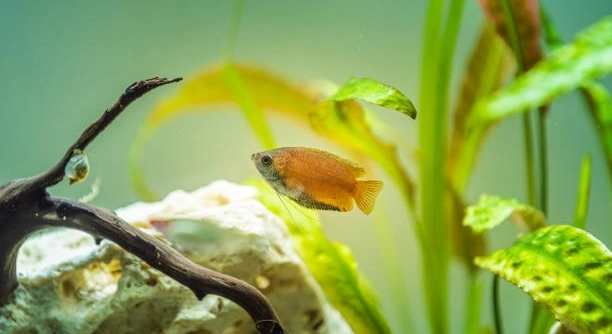
Gouramis are vibrant and curious fish that thrive in dynamic environments. Observing their daily behavior can reveal much about their mood and well-being. Routine alone may not be enough to keep them engaged or mentally stimulated in their habitat.
Signs that a gourami is bored include reduced activity, lack of interaction with tank mates, repetitive swimming patterns, and disinterest in food or enrichment. Identifying these behaviors early helps maintain optimal health and prevent long-term stress or lethargy.
Recognizing these subtle tells allows you to make simple changes that enrich your gourami’s environment and keep daily life stimulating.
Lack of Activity and Swimming Repetition
Gouramis are naturally active fish, exploring their environment and interacting with plants or tank mates. When they become bored, their movements can become predictable or monotonous. You may notice them swimming back and forth along the same path, or staying in one area for extended periods. Boredom can also reduce their curiosity about the surroundings, leading them to ignore decorations, hiding spots, or feeding times. These patterns indicate that their environment no longer provides sufficient mental stimulation. Altering the tank layout, adding new plants, or providing small hiding places can encourage movement and exploration. Observing these changes helps ensure your fish remain active and engaged. Consistent inactivity not only signals boredom but can also affect their overall health. Encouraging varied behavior supports natural instincts and prevents stress-related issues.
Simple changes like rearranging decorations or adding floating plants can immediately capture your gourami’s attention.
Providing a mix of open swimming areas and dense plant clusters allows your gourami to explore safely. Rotating toys or enrichment objects keeps their environment fresh, reducing repetitive behavior. Small adjustments, such as varying feeding locations or introducing mirrors briefly, stimulate curiosity. Monitoring their response ensures that changes are beneficial and not stressful. Gradual modifications also make them more comfortable with novelty, supporting mental and physical well-being.
Loss of Interest in Food
A bored gourami may show less enthusiasm during feeding times.
Decreased appetite is often linked to lack of stimulation in the tank. Offering varied food types and adjusting feeding methods can re-engage their natural instincts. Regular observation ensures proper intake and overall health.
Hiding More Than Usual
When a gourami is bored, it may retreat to hiding spots more frequently than normal. This withdrawal indicates a lack of engagement with its environment and can signal stress or dissatisfaction with its routine.
Extended periods of hiding can reduce social interaction with tank mates and limit physical activity. Gouramis naturally explore and occasionally seek shelter, but constant seclusion suggests boredom. Adding varied decorations, caves, or plants can encourage them to emerge and interact more with their surroundings. Observing patterns of retreat helps identify when environmental enrichment is necessary, supporting mental stimulation and well-being.
Gradually introducing new hiding spots or rearranging existing ones can make the tank feel fresh. Pairing these changes with varied lighting and gentle water movement encourages exploration. A consistent schedule for minor adjustments helps the fish adapt without stress, ensuring they remain curious and active. Monitoring responses to these changes allows fine-tuning for optimal engagement.
Reduced Interaction With Tank Mates
Bored gouramis often show less interest in other fish, avoiding play or social behaviors.
This lack of interaction can be subtle, such as ignoring nearby fish or failing to respond to usual gestures like flaring or gentle chasing. Social behaviors are natural for gouramis, and a decline may reflect mental stagnation. Reintroducing environmental stimuli, such as floating plants or small ornaments, can prompt curiosity and social engagement. Observing these behaviors regularly helps identify when adjustments are needed to maintain a balanced tank dynamic and prevent isolation.
Creating areas for group exploration or temporary obstacles encourages social engagement without causing aggression. Introducing varying visual stimuli or occasional feeding challenges can stimulate interaction among tank mates. Regular monitoring ensures that changes do not stress any fish, allowing natural behaviors to return gradually. Maintaining a balance between open swimming spaces and structured hiding areas supports both active exploration and safe retreat, promoting a healthier, more dynamic tank environment.
Lethargy and Slow Movements
Bored gouramis often move slower than usual, appearing lethargic or uninterested in exploring their tank. This behavior can indicate both mental and physical under-stimulation. Regular observation helps identify when their activity level has dropped significantly.
Sluggish movements may also affect feeding patterns and interaction with other fish. Adjusting the tank environment with new plants or gentle water currents can encourage movement. Consistent changes keep the fish engaged, helping maintain both mental alertness and physical health over time.
Constant Surface Gazing
Gouramis may hover near the water surface more than usual when bored. This repeated behavior suggests a search for stimulation or escape from monotony. Observing surface patterns can provide insights into environmental satisfaction and engagement.
Ignoring Enrichment Items
Bored gouramis often ignore toys, decorations, or feeding puzzles that previously interested them. This lack of response signals decreased mental stimulation. Adjusting enrichment strategies and rotating items can help re-engage curiosity and encourage natural exploratory behaviors.
Sudden Color Dullness
A gourami’s colors may fade when it becomes bored. Dull coloration is a subtle but noticeable sign of reduced engagement and stress. Monitoring for color changes ensures early identification and intervention to restore vibrancy.
FAQ
How can I tell if my gourami is bored?
Boredom in gouramis can appear in several ways. Common signs include reduced activity, repetitive swimming patterns, hiding more than usual, ignoring food or enrichment items, and loss of color vibrancy. Observing daily behavior closely helps distinguish between normal rest and signs of mental stagnation.
Why does my gourami swim back and forth constantly?
Repetitive swimming is a classic sign of boredom. It often indicates that the tank environment lacks sufficient stimulation. Introducing new decorations, rearranging plants, or adding small hiding spots encourages exploration and can reduce monotonous swimming. Gradual changes help the fish adapt without causing stress.
What can I do to make my gourami more active?
Increasing activity involves enriching the environment. Adding floating plants, caves, or tunnels can stimulate natural curiosity. Varying the placement of food and occasionally changing the tank layout encourages exploration. Gentle water currents or bubbles can also motivate movement while keeping the habitat safe and comfortable.
Is reduced appetite always a sign of boredom?
Not always. While boredom can reduce interest in food, illness or water quality issues can also affect appetite. Monitoring water parameters, maintaining clean conditions, and observing behavior alongside feeding patterns help determine if reduced interest is environmental or health-related.
How often should I change the tank setup?
Frequent minor adjustments work better than sudden major changes. Rotating decorations, moving plants, or adding new enrichment items every few weeks keeps the environment engaging. Sudden large rearrangements can stress the fish, so gradual modifications are safest and most effective.
Can other fish help my gourami stay engaged?
Yes, compatible tank mates can encourage interaction and activity. However, social enrichment should match the gourami’s temperament. Aggressive or overly active fish may cause stress. Observing interactions ensures that social dynamics remain balanced and mentally stimulating.
Do toys or enrichment items really work for gouramis?
Yes, gouramis respond to enrichment items like floating ornaments, mirrors briefly, and feeding puzzles. These objects stimulate curiosity and natural behaviors, reducing repetitive movements and hiding tendencies. Rotating items prevents habituation and maintains interest over time.
Will boredom affect my gourami’s health?
Chronic boredom can lead to stress, reduced immunity, and behavioral problems. Lack of stimulation may also impact appetite, growth, and social interaction. Maintaining an engaging environment supports both mental and physical health, ensuring a more vibrant and active fish.
How do I know if my gourami is stressed or just bored?
Stress often includes erratic swimming, frequent hiding, rapid gill movement, or aggression. Boredom mainly shows as inactivity, repetitive patterns, or lack of interest in food and enrichment. Observing multiple behaviors together provides a clearer understanding of their state.
Can changing lighting help with boredom?
Adjusting lighting can encourage activity. Gouramis respond to gradual changes and natural day-night cycles. Combining lighting adjustments with environmental enrichment creates a more stimulating habitat without overwhelming the fish.
How long does it take for a bored gourami to re-engage?
Response times vary. Some gouramis react immediately to new enrichment, while others take days or weeks to explore changes. Consistent observation and gradual introduction of stimuli ensure they adapt comfortably and regain natural curiosity.
Are certain gourami species more prone to boredom?
Yes, larger and more intelligent species, like the pearl or dwarf gourami, may require more stimulation due to higher cognitive needs. Smaller species can also experience boredom but may show subtler signs, making careful observation crucial.
What are the easiest ways to prevent boredom long-term?
Providing a varied and changing environment is key. Combining new plants, hiding spots, enrichment items, and social interaction keeps gouramis engaged. Regular monitoring of behavior and subtle adjustments help maintain a stimulating and healthy tank habitat consistently.
Gouramis are sensitive and intelligent fish that benefit from a well-stimulated environment. Observing their behavior carefully allows you to understand their moods and needs. Boredom is more common than many realize, and its signs can be subtle. Reduced activity, repetitive swimming, hiding excessively, ignoring food, or dull coloration all indicate that your gourami’s tank may not be providing enough mental and physical engagement. Addressing these signs early helps prevent stress-related health issues and ensures your fish remain active and curious. Creating a habitat that balances open swimming space with safe hiding spots, along with a variety of plants and decorations, encourages exploration and natural behaviors.
Maintaining a dynamic environment is crucial for long-term well-being. Small, gradual changes in the tank layout can keep your gourami interested without causing stress. Introducing new enrichment items, rotating ornaments, or changing feeding locations stimulates curiosity and mimics natural challenges they would face in the wild. Social interaction with compatible tank mates can also provide engagement, but it is important to observe relationships carefully to prevent aggression or intimidation. By combining environmental enrichment, proper feeding, and attention to social dynamics, you create a habitat that supports both mental and physical health. These adjustments help reduce repetitive or lethargic behaviors and keep your gourami active, healthy, and vibrant over time.
Finally, consistent observation and care are key to maintaining a happy, stimulated fish. Monitoring behavior and responding to subtle changes allows you to intervene before boredom becomes a serious issue. Adjusting the environment gradually, offering varied enrichment, and maintaining water quality all contribute to overall well-being. Understanding the unique personality of your gourami makes it easier to recognize what engages them most. While boredom may seem minor at first, addressing it proactively ensures that your fish thrive in a safe, interesting, and comfortable home. A stimulated gourami is healthier, more active, and displays natural behaviors, making tank ownership more rewarding and enjoyable.

Hello,
If you enjoy the content that we create, please consider saying a "Thank You!" by leaving a tip.
Every little bit helps us continue crafting quality advice that supports the health, happiness, and well-being of pets around the world, for pets of all shapes, sizes, and species.
We really appreciate the kindness and support that you show us!