
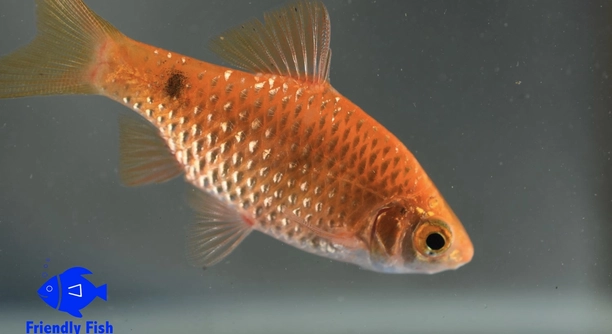
Rosy barbs are popular freshwater fish known for their vibrant colors and lively behavior. Many fish keepers enjoy observing their moods and interactions in aquariums. Understanding when a rosy barb feels secure helps in providing better care.
A rosy barb feeling secure will exhibit calm swimming patterns, bright coloration, regular feeding, and social interaction with tank mates. These behaviors indicate comfort in their environment and reduced stress levels, essential for their overall health and wellbeing.
Recognizing these signs ensures your rosy barb stays healthy and happy, improving your experience as a fish keeper and creating a balanced aquarium environment.
Calm and Steady Swimming
When a rosy barb feels secure, its swimming becomes calm and steady. You will notice the fish gliding smoothly through the water without sudden darting or hiding. Secure rosy barbs explore their tank with confidence, often staying near plants or decorations. They swim in relaxed patterns and interact gently with other fish, showing no signs of stress. This behavior contrasts sharply with nervous darting or frantic movements, which usually indicate discomfort or fear. Calm swimming means the fish trusts its environment and the conditions are suitable. Observing this helps in assessing whether the tank setup meets the fish’s needs, including water quality, temperature, and space. A steady swimmer also signals that the fish is not feeling threatened by tank mates or outside disturbances, creating a peaceful aquarium atmosphere that benefits all its inhabitants.
Calm swimming is one of the clearest signs that your rosy barb is feeling safe and content in its habitat.
Understanding this behavior helps maintain a healthy environment for your fish.
Bright and Vibrant Coloration
Color plays a significant role in reflecting the health and emotional state of a rosy barb. When these fish feel secure, their colors become bright and vibrant, making them stand out in the aquarium. Dull or faded colors often point to stress, illness, or poor water conditions. Healthy rosy barbs show intense reds, pinks, and oranges, which indicate proper nutrition and comfort. Color changes can also occur during breeding or social interactions, but a consistent brightness typically means the fish is at ease. Good lighting and a balanced diet support these vivid hues. Watching your rosy barb’s coloration over time gives insight into its wellbeing, helping you spot early signs of trouble. Keeping the tank clean and stable, along with feeding quality food, ensures your fish maintains its natural beauty and happiness.
Maintaining vibrant colors requires attention to diet, water quality, and stress reduction for your fish’s best condition.
Regular Feeding Habits
Rosy barbs that feel secure will eat regularly and show interest during feeding times. They come out eagerly when food is offered, demonstrating trust in their environment.
Consistent feeding behavior signals that the fish is comfortable and not stressed. A secure rosy barb will not hesitate to swim up for food and will eat a normal amount without hiding. If a fish refuses food or shows erratic eating patterns, it could indicate discomfort or illness. Maintaining a routine feeding schedule helps reinforce security and trust, making the fish more predictable and easier to care for. A healthy appetite is a strong sign of overall wellbeing in your aquarium.
Feeding times can also be an opportunity to bond indirectly with your fish, as they associate your presence with food and safety.
Social Interaction with Tank Mates
Rosy barbs feeling secure interact peacefully with other fish in the tank. They swim together calmly and avoid aggressive or defensive behavior.
Social behavior is essential for rosy barbs since they are schooling fish. A secure fish will join the group, share space, and engage in light chasing or following without stress. Avoidance or hiding may suggest insecurity or illness. Secure rosy barbs also respect tank mates’ territories without causing harm, helping maintain harmony in the aquarium. Monitoring these interactions helps in spotting issues early and adjusting the environment if needed. Proper stocking levels, hiding spots, and compatible species contribute to a stress-free social life for your fish.
Ensuring your rosy barbs feel secure socially promotes natural behaviors and a lively, balanced aquarium environment.
Exploring the Environment
A secure rosy barb will actively explore its surroundings without hesitation. It swims through plants and decorations with curiosity and calmness.
This behavior shows confidence and comfort. Fish that avoid exploring may feel threatened or stressed, indicating that something in the tank might need adjustment to improve their sense of safety.
Resting Comfortably
When feeling secure, rosy barbs find safe spots to rest quietly. They remain still without signs of distress or rapid breathing.
Resting calmly indicates the fish is relaxed and trusts its environment. Secure fish avoid constant movement or hiding, showing they are comfortable in their home.
Healthy Growth Patterns
Secure rosy barbs display steady and healthy growth. Their fins develop fully without damage, and their body shape remains balanced and strong.
Proper nutrition, clean water, and a stress-free environment contribute to healthy growth. Fish that feel safe use energy efficiently for development rather than survival, resulting in vibrant and well-formed individuals.
Low Stress Responses
Rosy barbs feeling secure exhibit low stress responses. They rarely gasp at the surface or show signs of rapid breathing.
This calm behavior reflects good water conditions and minimal disturbances. Reducing stress improves overall health and longevity for your fish.
How can I tell if my rosy barb is feeling secure?
A secure rosy barb shows calm swimming, bright colors, regular eating, and social behavior. It explores the tank without hiding and rests comfortably. These signs reflect trust in its environment and indicate the fish is not stressed or frightened.
What should I do if my rosy barb seems stressed?
Check the water quality first—poor conditions often cause stress. Test for ammonia, nitrites, and nitrates. Maintain proper temperature and oxygen levels. Also, observe tank mates for aggression. Provide hiding spots and reduce sudden disturbances to help the fish feel safer.
Why is my rosy barb’s color fading?
Faded color usually signals stress, illness, or poor diet. Ensure the fish is getting balanced nutrition rich in carotenoids and vitamins. Good lighting and clean water also support vibrant coloration. Addressing these factors typically restores the fish’s natural hues.
How often should I feed my rosy barb?
Feed your rosy barb small amounts 1 to 2 times daily. Overfeeding can pollute the tank and harm water quality, stressing the fish. Watch for leftover food and adjust portions accordingly to maintain healthy feeding habits.
Can rosy barbs live alone, or do they need companions?
Rosy barbs are schooling fish and thrive best in groups of at least five. Being alone can cause stress and lead to poor health. Keeping a group encourages natural social behaviors and helps them feel more secure.
What tank conditions help rosy barbs feel secure?
Stable water temperature between 64–72°F (18–22°C), proper filtration, and regular water changes are key. Provide plenty of swimming space, plants, and hiding spots. A balanced and peaceful community tank promotes security and reduces stress.
How can I reduce aggression among rosy barbs?
Ensure the tank is large enough for all fish to have territory. Provide visual barriers like plants and decorations to break line of sight. Keep a proper number of barbs to avoid overcrowding. Avoid mixing overly aggressive species with rosy barbs.
What signs show my rosy barb is healthy besides behavior?
Healthy rosy barbs have clear eyes, intact fins without tears or spots, and smooth scales. Their body shape is full and not sunken. Regular observation helps catch early issues before illness develops.
Is it normal for rosy barbs to hide sometimes?
Yes, occasional hiding is normal, especially during rest or when new to the tank. However, constant hiding or staying at the bottom indicates stress or illness. Monitor these behaviors to ensure your fish’s environment supports its wellbeing.
How important is tank maintenance for rosy barb security?
Tank maintenance is crucial. Regular cleaning, partial water changes, and monitoring water parameters keep the environment safe and comfortable. Neglecting maintenance leads to stress, disease, and poor coloration in rosy barbs.
These FAQs cover common concerns and actions to keep rosy barbs feeling secure, healthy, and happy in the aquarium.
Rosy barbs are lively and colorful fish that bring energy to any aquarium. Knowing the signs that they feel secure helps ensure they live healthy lives. When these fish swim calmly, show bright colors, eat regularly, and interact well with tank mates, it means their environment meets their needs. Observing these behaviors can guide you in maintaining the right water conditions, tank setup, and social balance. This attention creates a peaceful space where rosy barbs can thrive without stress or fear.
Taking care of rosy barbs means paying attention to details like water quality, feeding schedules, and tank companions. Clean water and stable temperature keep fish comfortable and reduce illness risk. Feeding the right amount of nutritious food supports their color and growth. Choosing compatible tank mates and providing enough hiding places prevents aggression and helps fish feel safe. All these efforts work together to create a supportive environment that encourages natural behavior and overall wellbeing.
It is important to regularly observe your rosy barbs for changes in behavior or appearance. Early detection of stress or illness can make a big difference in treatment and recovery. Small adjustments in tank care, such as improving water quality or reducing noise around the aquarium, can increase fish comfort. By understanding and responding to your rosy barbs’ needs, you help them stay secure and happy, making your aquarium a rewarding and enjoyable experience.

Hello,
If you enjoy the content that we create, please consider saying a "Thank You!" by leaving a tip.
Every little bit helps us continue crafting quality advice that supports the health, happiness, and well-being of pets around the world, for pets of all shapes, sizes, and species.
We really appreciate the kindness and support that you show us!