
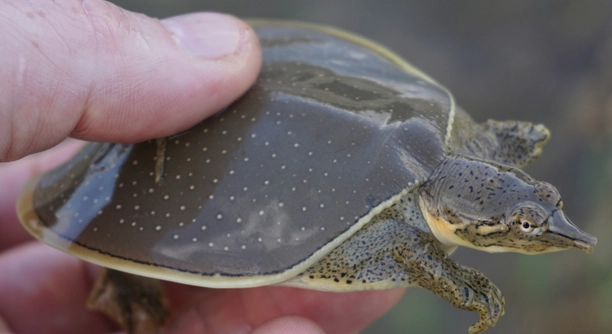
Stress in turtle tanks can affect your pet’s health and behavior. It’s important to create a calm environment to promote their well-being. A few simple steps can help reduce stress and make your turtle feel more comfortable.
The main techniques to reduce stress in turtle tanks include proper tank size, water temperature, hiding spots, feeding routines, and minimizing noise and movement. These elements help create a peaceful environment, reducing the chances of stress-related issues for your turtle.
By following a few simple tips, you can create a happier, healthier environment for your turtle. These adjustments will make a big difference in how your turtle feels.
Proper Tank Size
One of the first steps to reducing stress in your turtle’s tank is making sure it’s the right size. Turtles need ample space to swim and roam. If the tank is too small, your turtle can feel trapped, leading to stress and potential health issues. A good rule of thumb is to provide at least 10 gallons of water per inch of your turtle’s shell. This ensures they have room to move freely and comfortably.
Larger tanks not only give your turtle space to swim, but they also help maintain water quality. The bigger the tank, the more room for the filtration system to work properly. This creates a more stable environment.
Also, a spacious tank helps reduce territorial behavior. If you keep multiple turtles together, space becomes even more crucial. Smaller tanks can cause fighting and aggression. By giving them enough room, they can share the space more peacefully, leading to a less stressful environment overall.
Ideal Water Temperature
Maintaining the correct water temperature is another critical factor in stress reduction. Turtles are cold-blooded, meaning their environment must be at the right temperature for them to function properly. Typically, water temperature should be between 75-85°F (24-29°C) for most species.
Temperature fluctuations can cause stress, as turtles struggle to adapt to extreme changes. If the water is too cold, it can lead to sluggish behavior and digestive problems. Too hot, and they might become lethargic or even suffer from overheating. A reliable thermometer is a must to monitor the water’s consistency, and heaters should be used carefully to maintain the temperature range.
Adjusting the water temperature properly promotes digestion, activity, and overall health. This will also encourage your turtle to be more active, helping to avoid stress-related issues that arise from a stagnant or uncomfortable environment.
Hiding Spots and Enrichment
Adding hiding spots in the tank is essential for reducing stress. Turtles are naturally shy and need a place to retreat when feeling threatened. Providing areas like rocks, logs, or plants allows them to feel secure. This helps them manage stress and feel more comfortable in their environment.
Incorporating hiding spots also helps turtles feel more confident in their space. When a turtle feels exposed, it can become anxious, impacting its health. The hiding areas should be accessible but not too cramped, giving your turtle room to relax without feeling cornered. It’s important to use materials that are safe for aquatic environments, like aquarium-safe rocks or plastic plants, which can create natural hiding areas without posing risks to your turtle.
Enrichment is also important in turtle tanks. Including objects that allow turtles to climb, explore, or dig can stimulate their natural behaviors. Offering a variety of textures, shapes, and hideaways can help prevent boredom, ensuring your turtle’s environment stays engaging and stress-free.
Regular Feeding Schedule
Establishing a consistent feeding schedule is another effective way to reduce stress. Turtles thrive on routine, and knowing when to expect food can help them feel more secure. Feed your turtle at the same time every day, and stick to the same types of food to avoid surprises.
A regular feeding routine provides stability, helping to prevent anxiety over food availability. Overfeeding or irregular feeding times can confuse your turtle, leading to stress. It’s important to offer a balanced diet with the right nutrients, ensuring your turtle is getting the proper care. By maintaining a set feeding time, your turtle will adapt and become more relaxed. This consistency builds trust and helps regulate your turtle’s metabolism, which contributes to overall well-being.
If you feed multiple turtles together, ensure there’s enough space so they don’t fight over food. You may need to monitor them to prevent stress due to competition.
Minimize Noise and Vibrations
Turtles are sensitive to noise and vibrations. Loud sounds or sudden movements around the tank can stress them out. It’s best to place the tank in a quiet area of the house, away from high-traffic spots. This reduces external disturbances and helps keep your turtle calm.
By minimizing external noise, your turtle can feel more at ease and less anxious. Avoid placing the tank near loud appliances, such as a television or washing machine, as these sounds can be unsettling. Keeping the tank in a peaceful space encourages a stress-free environment that supports their health.
Proper Lighting and UVB Exposure
Providing proper lighting is essential to your turtle’s health. Turtles need UVB light to help them synthesize vitamin D3, which is vital for calcium absorption. Without it, your turtle may develop shell deformities or other health issues. Ensure the light source is strong enough to cover the entire tank and provide a proper day/night cycle.
UVB lighting should be on for about 10-12 hours each day, mimicking natural sunlight patterns. Additionally, provide areas where your turtle can bask under the light to regulate their body temperature. This not only keeps them healthy but also reduces stress caused by improper lighting conditions.
Tank Cleanliness
Maintaining a clean tank is crucial for your turtle’s well-being. Dirty water can cause stress and lead to infections. Regular water changes, cleaning the tank walls, and ensuring the filtration system is functioning properly will keep the tank environment fresh. A clean tank helps reduce the growth of harmful bacteria.
FAQ
How often should I change the water in my turtle’s tank?
Water should be changed regularly to prevent buildup of harmful toxins. For a smaller tank, aim for partial water changes once a week, while larger tanks may only need changes every two weeks. Always monitor water quality with a test kit to ensure it remains healthy for your turtle.
What temperature should the water be for my turtle?
The water temperature should be between 75-85°F (24-29°C). Turtles are cold-blooded, and maintaining the correct temperature helps their digestion and activity levels. Use an aquarium heater to keep the water steady and avoid drastic fluctuations. A thermometer will help monitor consistency.
What kind of filter do I need for my turtle tank?
A good filter is essential for keeping the water clean and reducing stress. Look for a filter rated for a tank size that’s larger than your actual tank volume. This will ensure the filter works efficiently. Make sure to clean or replace the filter media regularly to maintain optimal water quality.
Can I keep more than one turtle in the same tank?
Yes, but only if the tank is large enough. Turtles can be territorial, so make sure there’s enough space for each one to have its own area. Avoid overcrowding, as this can lead to stress, aggression, and competition for resources. Keep an eye on them to ensure no bullying occurs.
Do turtles need a basking area?
Yes, turtles need a basking area to regulate their body temperature. This area should have a heat source like a UVB light to keep your turtle warm. A dry surface, like a rock or platform, allows your turtle to rest out of the water. The basking area should be accessible and easy for your turtle to climb onto.
How do I know if my turtle is stressed?
Signs of stress in turtles include reduced activity, loss of appetite, or abnormal behaviors like excessive swimming or hiding. If your turtle seems to be spending too much time at the bottom of the tank, it could be a sign of discomfort. Stress can also cause physical symptoms like shell abnormalities.
What should I feed my turtle?
Turtles need a balanced diet that includes both animal and plant-based foods. Offer a variety of foods, such as commercial turtle pellets, leafy greens, and occasional protein sources like worms or insects. The specific diet will depend on your turtle’s species and age, so research the requirements of your particular turtle.
Can my turtle be stressed from too much handling?
Yes, turtles can get stressed from being handled too often. They prefer a calm and predictable environment, so avoid picking them up unless necessary. When you do handle your turtle, make sure to do so gently and avoid making sudden movements. This helps reduce unnecessary stress.
Is it necessary to have a UVB light for my turtle?
Yes, UVB light is essential for your turtle’s health. It helps them produce vitamin D3, which is crucial for calcium absorption and healthy shell growth. Without proper UVB exposure, your turtle may develop metabolic bone disease. Ensure your UVB light is positioned correctly over the basking area and replace it every six months.
How much space do turtles need in their tank?
The general guideline is to provide 10 gallons of water per inch of turtle shell. For example, if your turtle has a 4-inch shell, you’ll need a 40-gallon tank. Turtles need space to swim and explore, so a larger tank is always better for their overall well-being.
Can I add plants to my turtle’s tank?
Yes, plants can be added, but make sure they are safe for turtles. Live plants provide hiding spots and improve the aesthetic of the tank. However, turtles tend to nibble on plants, so choose hardy varieties like Anubias or Java Fern that can survive in a turtle’s environment.
Final Thoughts
Creating a stress-free environment for your turtle is essential to their health and happiness. By ensuring the tank is the right size, maintaining proper water temperature, and providing safe hiding spots, you can make a significant difference in how your turtle feels. Stress in turtles can lead to physical and behavioral issues, so it’s crucial to be proactive in addressing factors that contribute to discomfort. A few simple changes can go a long way in improving your turtle’s quality of life.
Maintaining a consistent feeding schedule, minimizing external noise, and providing proper lighting are also important steps in reducing stress. Turtles are creatures of habit, and they thrive when their environment remains stable. Regular water changes and a clean tank are vital in keeping harmful bacteria at bay and ensuring your turtle stays healthy. A clean, quiet, and well-lit tank will encourage your turtle to relax and feel at ease, reducing the likelihood of stress-related problems.
Remember, turtles need both physical and mental stimulation. Adding enrichment items, such as rocks to climb or plants to explore, helps keep their minds engaged and prevents boredom. Each of these factors, when combined, creates an environment where your turtle can thrive. By paying attention to their needs and making small adjustments, you can provide your turtle with a happy and stress-free home.

Hello,
If you enjoy the content that we create, please consider saying a "Thank You!" by leaving a tip.
Every little bit helps us continue crafting quality advice that supports the health, happiness, and well-being of pets around the world, for pets of all shapes, sizes, and species.
We really appreciate the kindness and support that you show us!