
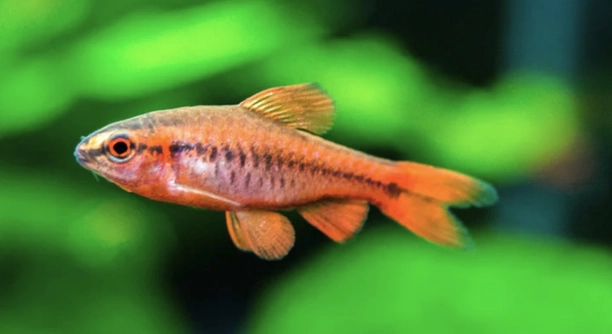
Is your cherry barb darting around, hiding excessively, or showing signs of stress in a bustling tank environment? These behaviors can signal that your fish is feeling overstimulated and needs a calm, balanced space.
The best way to calm an overstimulated cherry barb is by adjusting tank lighting, reducing sudden movements, and introducing gentle water flow. These changes help create a soothing habitat, supporting both their mental and physical well-being.
With a few thoughtful changes, your cherry barb can return to swimming peacefully and feeling more secure in its aquatic home.
Lower the Lighting in the Tank
Bright or direct lighting can make cherry barbs feel exposed and overwhelmed, especially if the tank lacks shaded areas or plants. To help your fish settle down, try using a dimmer light setting or adding floating plants to break up the brightness. These adjustments create a more natural and relaxing environment that mimics their native streams. Light diffusion can also reduce sharp reflections that may confuse or stress your cherry barb. You don’t need to invest in new gear—something as simple as repositioning the light or adding more greenery can make a real difference in how calm your fish behaves.
Lower light levels often encourage more predictable swimming patterns and promote a sense of safety for timid fish.
Keep in mind that cherry barbs are most active in lower-light conditions. Mimicking dusk-like settings helps them feel secure and less reactive to motion outside the tank.
Reduce Activity Around the Tank
Loud noises, fast movement, or constant tapping can overstimulate your cherry barb. Place the tank in a quieter part of your home with less foot traffic and fewer sudden disruptions.
Cherry barbs are sensitive to vibration and changes in their surroundings. If your tank is placed near a television, stereo system, or busy hallway, your fish might feel unsettled. Try relocating it to a calm area, away from daily hustle. You can also discourage tank tapping by gently reminding family members or using signs if necessary. Adding a background to the rear of the tank helps minimize external visuals, giving the fish a safe zone. When your cherry barb doesn’t feel the need to hide or dart around, it uses its energy for healthy behaviors like social swimming or feeding. Stability and consistency go a long way in easing overstimulation and building trust within the tank.
Add More Hiding Spots
Adding hiding spots helps your cherry barb feel safe when it’s overstimulated. Use live or artificial plants, caves, or driftwood to provide cover. These spots act like shelters where your fish can rest without constant visual or physical stimulation.
Cherry barbs often retreat when they sense too much activity in or around the tank. By offering spaces they can disappear into, you give them control over their environment. This reduces stress and gives them a choice when things feel overwhelming. Plants with broad leaves, rock structures, and even PVC pipes can serve as effective hideouts. Just make sure these additions don’t restrict swimming space or crowd the tank too much. Keep the layout balanced so that hiding doesn’t mean isolation. You want your cherry barb to feel secure while still having enough room to explore and interact.
Creating a calm environment with several hiding options supports your fish’s natural behaviors. These changes help cherry barbs feel less exposed, which leads to a more peaceful tank overall. Avoid placing all shelters in one area—space them out to encourage gentle movement and variety. With more hiding spots, cherry barbs can manage stress better and regain a steady swimming routine. Stability like this supports long-term health.
Improve Water Flow Gently
Cherry barbs respond well to slow, consistent water movement. Fast currents can stress them out, especially when they’re already overstimulated. Switch to a filter with adjustable flow or use a sponge filter to soften the output.
While they do enjoy some movement, cherry barbs are not strong swimmers and can become overwhelmed in tanks with turbulent water. When the flow is too fast, they may struggle to hold their position, leading to exhaustion and irritability. Try redirecting the filter output against the tank wall or placing decorations near it to reduce the current. This will create gentle circulation without overwhelming the fish. Be sure to monitor how your cherry barb behaves after changes. If it swims more calmly and rests in the open more often, you’re on the right track. A smooth water flow keeps oxygen levels steady and improves comfort, helping the fish settle in a more relaxed pattern.
Keep a Consistent Feeding Schedule
Feeding your cherry barb at the same times each day helps reduce stress. It creates a predictable routine that the fish can rely on, lowering anxiety caused by irregular care. Feed small amounts and avoid overfeeding.
Sudden changes in feeding patterns can confuse and stress your fish. Stick to a consistent schedule and use high-quality food that’s easy to digest. This promotes calm behavior and supports overall health.
Limit Tank Mates That Cause Stress
Not all fish get along with cherry barbs. Aggressive or overly active tank mates can create tension. Choose peaceful species and avoid overcrowding the tank. A calm environment leads to a calm cherry barb.
Maintain Stable Water Conditions
Cherry barbs thrive in stable, clean water. Sudden changes in temperature, pH, or ammonia levels can cause stress quickly. Test the water regularly and perform partial water changes as needed. Keep the environment steady to support your fish’s comfort and calm behavior.
FAQ
What are the signs that my cherry barb is overstimulated?
An overstimulated cherry barb might swim erratically, darting from one place to another, or hide constantly. You may notice the fish becoming more reclusive or avoiding interaction with other tank mates. Changes in feeding behavior, such as not eating or eating very little, are also common signs. They may display more aggressive or nervous behavior when exposed to sudden movements or bright lighting. It’s essential to observe these shifts in their usual patterns and adjust the environment accordingly.
How do I know if my cherry barb is stressed?
Stressed cherry barbs may lose their bright color, becoming dull or pale. They could also become more skittish or hide in their hiding spots more often. If they are constantly at the bottom of the tank or swim in erratic patterns, stress is likely the cause. Poor appetite, as well as rapid gill movement or labored breathing, are other signs of stress. Pay close attention to these behavioral cues and adjust the tank’s conditions to ease their discomfort.
Can I use an air pump to help calm my cherry barb?
An air pump can improve water circulation, but it should not create turbulent currents that make the tank feel more chaotic. Too much air flow may add stress to your cherry barb. Instead, use a sponge filter or adjustable filter to gently circulate the water. If you choose an air pump, ensure the bubbles are fine and not too intense. Cherry barbs thrive in calm water with gentle movement, so you want to avoid overusing the air pump.
Do cherry barbs prefer a planted tank?
Yes, cherry barbs feel much more comfortable in a planted tank. The plants provide hiding spots and make the environment feel more natural. Dense planting gives the fish room to hide, rest, or swim through, which can lower stress. Floating plants or tall plants that reach the surface of the water also help diffuse light, creating a softer, more relaxing environment. A planted tank helps simulate the natural habitats of cherry barbs, making them feel secure and comfortable.
What tank size is best for cherry barbs?
Cherry barbs do best in tanks that are at least 20 gallons. While they are small fish, they do enjoy having space to swim and establish territories. Smaller tanks can lead to overcrowding and stress. If you have multiple cherry barbs, a larger tank ensures there’s enough room for them to spread out and find peaceful areas. A bigger tank also allows for better water quality and easier maintenance.
What water conditions do cherry barbs need to thrive?
Cherry barbs prefer a water temperature between 72°F and 80°F (22°C to 27°C). The pH should be slightly acidic to neutral, around 6.5 to 7.5. Ammonia and nitrite levels should always be at zero, and nitrate levels should be low. It’s essential to keep the water clean by performing regular water changes to maintain these ideal conditions. Sudden shifts in water quality can stress your cherry barb and lead to health issues. Regular water testing helps ensure that the tank remains within safe parameters.
Can cherry barbs live with other species?
Cherry barbs are peaceful fish and can live with many other species, provided those species are not aggressive. They do well with other calm community fish like tetras, rasboras, and catfish. Avoid pairing them with fin-nippers or overly aggressive tank mates. Overcrowding can also lead to stress, so ensure there’s enough space for all fish to coexist peacefully. Pay attention to the behavior of other fish to ensure there’s no undue aggression or competition for resources.
How often should I feed my cherry barb?
Cherry barbs should be fed small amounts twice a day. Overfeeding can lead to water quality issues and stress. Offer a variety of foods, such as flakes, pellets, or frozen foods like brine shrimp and daphnia. A balanced diet will help keep them healthy and calm. Make sure to remove any uneaten food after a few minutes to prevent it from decomposing and affecting the water quality.
What’s the best way to handle cherry barbs during maintenance?
When doing tank maintenance, be mindful of how you handle the tank to avoid startling or stressing the fish. Move slowly around the tank, and try to limit sudden movements. Use a net if necessary but be gentle when catching or moving your cherry barb. It’s best to perform tank maintenance when the fish are less active, such as during low-light periods, to reduce stress. Avoid tapping the glass or making loud noises near the tank.
Are cherry barbs active at night?
Cherry barbs are primarily active during the day and tend to rest at night. They follow a diurnal pattern, meaning they are most active when the light is on and become less active when the lights are off. If your fish are swimming at night, it could be a sign that the tank’s lighting is too bright or the fish are not feeling secure. Ensuring a consistent light schedule can help regulate their natural behavior.
Final Thoughts
Taking care of a cherry barb means paying close attention to their needs, especially when they are overstimulated. By offering a calm environment with enough hiding spots, slow water flow, and stable conditions, you can help reduce stress. It’s important to monitor their behavior closely and make adjustments as needed. Regular water changes, maintaining proper water conditions, and feeding them at consistent times are simple yet effective ways to support their well-being. Stress can have negative effects on your fish, so it’s essential to create a peaceful tank environment for them to thrive.
Cherry barbs are small, peaceful fish that enjoy calm surroundings. They can be kept with a variety of other peaceful fish, as long as they aren’t overcrowded or surrounded by aggressive species. The key is to create a balance in the tank where your cherry barb feels secure but also has room to swim and explore. A planted tank can provide extra comfort, offering hiding spots and reducing stress. The combination of gentle water flow, hiding spots, and suitable tank mates will keep them relaxed.
In conclusion, understanding the needs of your cherry barb and making a few small changes in their environment can go a long way in helping them manage stress. While overstimulation can happen, it’s manageable with some care and attention. Creating a peaceful, well-maintained environment will lead to a happier, healthier fish. It’s worth taking the time to set up your tank properly, ensuring your cherry barb has everything it needs to stay calm and comfortable.

Hello,
If you enjoy the content that we create, please consider saying a "Thank You!" by leaving a tip.
Every little bit helps us continue crafting quality advice that supports the health, happiness, and well-being of pets around the world, for pets of all shapes, sizes, and species.
We really appreciate the kindness and support that you show us!