
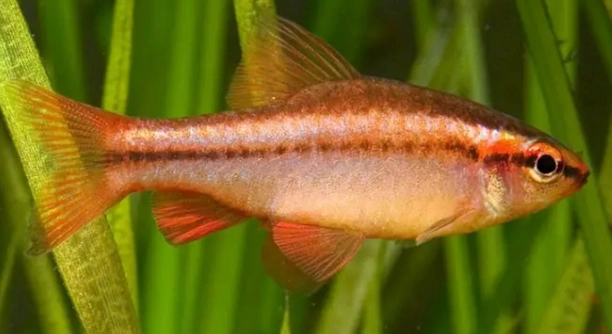
Are your cherry barbs looking stressed or chasing tankmates around more than usual? Compatibility matters when choosing the right friends for peaceful schooling fish like these.
Cherry barbs do best with calm, non-aggressive species that share similar water requirements. Good tankmates include harlequin rasboras, neon tetras, corydoras, kuhli loaches, and otocinclus. These species support a harmonious, stress-free environment.
Each of these fish adds variety and life to a tank without overwhelming or threatening your cherry barbs’ space or behavior.
Harlequin Rasboras: A Calm Match
Harlequin rasboras are a peaceful species that naturally complement cherry barbs in both behavior and habitat needs. Both prefer slightly acidic to neutral water and thrive in planted aquariums with gentle currents. Harlequin rasboras school tightly, which can help calm cherry barbs and reduce aggression. Their subtle coloration doesn’t compete for attention, and they rarely nip fins or display dominance. Because they’re mid-level swimmers, they stay out of the way while encouraging social behavior in cherry barbs. Keeping both in groups of six or more allows for balanced activity throughout the tank. These rasboras are easy to care for, adapt well to varied diets, and don’t require special lighting or filtration beyond standard setups. This makes them ideal for beginners or anyone looking for a peaceful, low-maintenance community setup. Their compatibility with cherry barbs isn’t just visual—it’s behavioral and environmental too. They bring out the best in each other.
They’re also less likely to compete for food, which helps maintain peaceful feeding times.
When choosing rasboras, make sure to give them space to school freely. Avoid overcrowding the tank, as this can increase stress levels for both species. Keep up with weekly water changes and monitor parameters regularly.
Corydoras: Gentle Bottom Dwellers
Corydoras spend most of their time at the bottom, avoiding the areas cherry barbs use most.
These small catfish are ideal tankmates because they mind their own space and behavior. Cherry barbs rarely interact with the substrate, so there’s minimal overlap or competition. Corydoras are social and do best in groups of at least six. They thrive in clean tanks with sandy substrates and good oxygen levels. Their constant movement stirs up uneaten food, helping to keep the tank clean. This reduces the risk of ammonia spikes and encourages better water quality overall. These fish are also highly peaceful and never aggressive, which helps balance out a tank with active mid-level swimmers like cherry barbs. Feed them sinking pellets and occasional treats like blanched vegetables or frozen bloodworms to support their health. Their calm presence can help cherry barbs feel more secure, especially in community tanks with a mix of species. Proper care ensures they live long, healthy lives alongside their tankmates.
Kuhli Loaches: Quiet and Helpful Cleaners
Kuhli loaches are shy, bottom-dwelling fish that won’t bother cherry barbs. Their peaceful nature and different swimming level help avoid territorial issues in the tank. They prefer to stay hidden during the day and are most active at night.
They enjoy soft substrates and lots of hiding spots like driftwood or caves. Their eel-like shape allows them to slip through small spaces, making them entertaining to watch during feeding times. Kuhli loaches are scavengers that help clean up leftover food, supporting better water quality. Keep them in groups of at least five to reduce stress and increase activity. Although they’re active mostly at night, they occasionally come out during the day once comfortable. Feeding them sinking pellets or live food in the evening helps ensure they get their share. Because they’re non-aggressive, they coexist peacefully with cherry barbs and contribute to a healthier tank environment.
Their low bioload and gentle temperament make them an easy choice for community aquariums. Avoid pairing them with larger, aggressive fish, as they’re easily frightened. Maintain a tight-fitting lid since they’re known to escape through small gaps. Soft lighting and minimal disturbances encourage more daytime activity once they’ve settled in.
Otocinclus: A Natural Algae Solution
Otocinclus catfish are small, calm algae eaters that stick to tank surfaces. They don’t compete with cherry barbs for food or territory and spend their time grazing on algae. Keeping them in groups of at least four helps reduce stress.
These fish thrive in well-maintained aquariums with stable water parameters. Otocinclus are sensitive to poor conditions, so regular water changes and consistent feeding are essential. Supplement their diet with algae wafers and blanched vegetables like zucchini or spinach. They’re not demanding when it comes to space, but they do need plenty of surfaces to graze. Smooth rocks, broad-leaved plants, and aquarium glass offer ideal spots. They’re not aggressive or territorial, making them easy companions for peaceful fish like cherry barbs. Avoid adding them to tanks that are newly cycled or unstable. Once settled, they’ll stay active and visible, making them a functional and peaceful addition to your community setup.
Neon Tetras: Small and Social
Neon tetras are calm, colorful fish that enjoy schooling in groups. Their gentle nature and small size make them a good match for cherry barbs. They stick to the middle of the tank and avoid causing stress.
They thrive in soft, slightly acidic water and do well in planted tanks. Their flashing colors add brightness without overwhelming the space.
Ember Tetras: Bright and Peaceful
Ember tetras are even smaller than neon tetras and share similar water preferences with cherry barbs. They are peaceful and prefer to stay in groups of six or more. Their orange-red coloration adds warmth without creating visual competition. They swim mostly in the middle and upper parts of the tank, keeping out of the cherry barbs’ way. These fish are active but not aggressive, which helps keep the tank calm. Feed them micro pellets or crushed flakes for easy digestion. Their gentle presence blends well in a mixed community and supports stress-free interactions. Regular maintenance helps keep them healthy and vibrant.
White Cloud Mountain Minnows
White clouds are adaptable and tolerant of a wide range of temperatures. Their calm behavior and mid-level swimming habits fit well with cherry barbs. Keep them in groups for a more relaxed tank dynamic.
FAQ
What water conditions do cherry barbs prefer?
Cherry barbs thrive in slightly acidic to neutral water, with a pH range of 6.5 to 7.5. They also prefer a temperature between 72°F and 80°F (22°C – 27°C). Regular water changes are crucial for maintaining good water quality. A filtration system that promotes gentle water movement works best for these peaceful fish, as strong currents can stress them. It’s important to keep ammonia and nitrite levels as low as possible and maintain nitrate levels below 20 ppm to ensure their health and happiness.
Can cherry barbs live with bettas?
While both cherry barbs and bettas are peaceful, it’s important to monitor their interactions. Bettas can be territorial, especially males, and may become aggressive toward other fish with long fins or bright colors. Cherry barbs tend to be calm and non-threatening, but their active schooling behavior might provoke the betta’s territorial instincts. It’s safer to house them together in a well-planted tank where the betta has plenty of hiding spots to retreat to when necessary. Keep a close eye on the tank’s dynamics to ensure both species feel secure.
How many cherry barbs should I keep together?
Cherry barbs do best in groups of at least six. Keeping them in a larger group allows them to exhibit their natural schooling behavior, which reduces stress and promotes a sense of security. A group of six or more encourages peaceful interaction and lowers the chances of one barb becoming overly dominant. Additionally, a school of barbs looks more natural and active in a tank, adding visual interest. If you’re limited on space, even a small group of three or four will do, but six or more is ideal for their well-being.
Are cherry barbs easy to breed?
Cherry barbs are relatively easy to breed in home aquariums, especially if they’re kept in optimal water conditions. Males tend to display brighter colors during breeding season to attract females. Providing plenty of plants, fine-leaved vegetation, and a separate breeding tank can increase breeding success. Once the eggs are laid, it’s best to remove the adult fish to prevent them from eating the eggs. The eggs will hatch in a few days, and baby barbs, or fry, will start to swim around in about a week. Feeding them infusoria or baby brine shrimp will help them grow.
What do cherry barbs eat?
Cherry barbs are omnivores and will accept a variety of foods, including high-quality flake food, pellets, and live or frozen foods like brine shrimp and daphnia. They also enjoy blanched vegetables like spinach and zucchini. Providing a varied diet ensures they get the necessary nutrients for healthy growth and vibrant coloration. A balanced diet helps keep them active and supports their immune system. Overfeeding should be avoided as it can lead to water quality issues, so feeding them twice a day with only what they can consume in a few minutes is ideal.
Can cherry barbs live with goldfish?
Goldfish are generally not compatible with cherry barbs due to differences in temperature preferences and water conditions. Goldfish thrive in cooler water, while cherry barbs prefer warmer temperatures. Cherry barbs might also become stressed by the large size and the more sluggish nature of goldfish. Furthermore, goldfish can be messy eaters, which may deteriorate water quality, affecting cherry barbs’ health. It’s best to keep these species separate in tanks that meet their specific needs.
Do cherry barbs need a filter?
Yes, a filter is essential for maintaining good water quality in any tank, including one housing cherry barbs. A filter helps remove debris, uneaten food, and harmful toxins like ammonia and nitrites. Cherry barbs do best in water with low to moderate current, so choose a filter that’s appropriate for the tank size and water movement needs. A sponge filter is a good option for smaller tanks or when you want to minimize water disturbance. Regular water changes (about 25% per week) will also help keep the water pristine.
What other fish are compatible with cherry barbs?
Cherry barbs do well with other peaceful fish that share similar water requirements. Some great tankmates include neon tetras, harlequin rasboras, kuhli loaches, corydoras catfish, and otocinclus. These species are calm and won’t cause stress for your cherry barbs. Avoid pairing them with aggressive or larger species like angelfish or cichlids, as these can bully the barbs or outcompete them for food. When choosing tankmates, prioritize species that won’t disrupt the calm nature of cherry barbs.
How can I tell if my cherry barbs are healthy?
Healthy cherry barbs have bright, vivid coloration, particularly the males, who display a deep red hue during breeding. They are active swimmers, moving around the tank in a school. Look out for clear, bright eyes and smooth scales with no signs of lesions or discoloration. Healthy cherry barbs are also good eaters and will respond eagerly during feeding times. If they seem lethargic, lose their vibrant color, or refuse food, it could be a sign of stress or illness. Keep water parameters stable and address any changes in behavior quickly to prevent health issues.
What is the lifespan of cherry barbs?
Cherry barbs typically live for around 3 to 5 years when provided with proper care. Factors such as water quality, diet, and tank conditions can influence their lifespan. Keeping them in a stress-free environment, avoiding overfeeding, and maintaining stable water conditions can help them live a long and healthy life. Regular monitoring of water parameters and routine maintenance will also contribute to their well-being and longevity.
Final Thoughts
Cherry barbs are peaceful, easy-to-care-for fish that make great additions to a community tank. Their small size, calm nature, and colorful appearance allow them to coexist well with other non-aggressive species. Whether you’re a beginner or an experienced aquarist, cherry barbs are a versatile option for a freshwater aquarium. They adapt well to different environments, as long as their basic care needs—such as water quality and temperature—are met. Providing a stress-free, well-maintained tank ensures they stay healthy and vibrant for several years.
When it comes to tankmates, cherry barbs are best kept with other peaceful fish that thrive in similar water conditions. Species like neon tetras, ember tetras, and corydoras catfish are ideal companions. However, it’s important to avoid aggressive or overly large fish that may intimidate or harm them. Proper tank size and adequate hiding spots should be provided to create a safe environment for all species involved. Choosing the right companions for your cherry barbs not only enhances their well-being but also promotes a harmonious community tank.
Caring for cherry barbs involves simple yet essential tasks, such as maintaining stable water conditions, feeding them a varied diet, and performing regular water changes. Breeding is relatively easy if you provide the right conditions, making them an excellent choice for those interested in fish reproduction. With the right care, cherry barbs can thrive for several years, bringing beauty and tranquility to your aquarium. As long as you meet their needs and choose compatible tankmates, cherry barbs will remain a peaceful and colorful presence in your tank for a long time.

Hello,
If you enjoy the content that we create, please consider saying a "Thank You!" by leaving a tip.
Every little bit helps us continue crafting quality advice that supports the health, happiness, and well-being of pets around the world, for pets of all shapes, sizes, and species.
We really appreciate the kindness and support that you show us!