
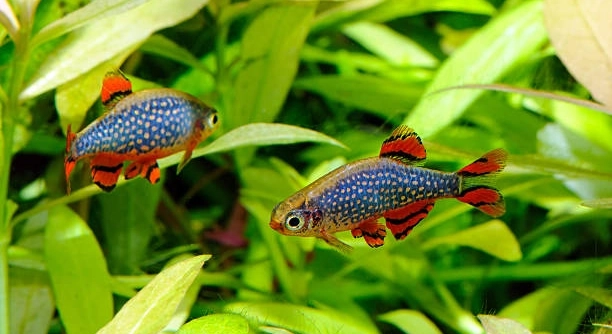
Have you ever noticed how your danios seem to shift their behavior when new tankmates enter their world, even if the changes appear gradual over time, creating a subtle mood that shapes their interactions today.
Subtle shifts in danio mood arise when specific tankmates alter their social dynamics, spacing habits, and activity rhythms. These influences produce small but reliable changes in stress levels and schooling cohesion, showing that companion species can meaningfully shape behavioral outcomes.
As you read further, you will see how small behavioral shifts from various companions quietly guide the balance they hold.
Peaceful Schooling Companions
Selecting calm schooling companions for danios can shape their mood in steady and predictable ways. When placed with species that match their pace, these small fish settle into a balanced rhythm that supports stable interactions. Gentle barbs, mild rasboras, and soft swimming livebearers help create an environment where danios maintain healthy spacing and smooth activity patterns. Their movement stays organized, their color remains bright, and their appetite stays consistent. These companions do not overwhelm them, and their presence keeps the group active without stirring tension. A tank with measured motion gives danios room to express natural social habits. Subtle signals like sharper turns or brief pauses become less frequent, showing a calmer state. Tanks arranged with compatible species lower stress factors that may otherwise unsettle them. Over time, these small influences build a setting where danios behave with steady energy. This gentle balance often leads to stronger schooling behavior each.
These companion choices matter because danios respond strongly to movement patterns around them, and steady swimmers help them maintain a calm state that supports better feeding, brighter colors, and smoother group coordination without placing extra pressure on their daily routines while keeping their reactions soft and preventing unnecessary stress signals.
Placing danios with gentle schooling species allows them to form predictable patterns that build a steady sense of comfort. These companions guide the pace of the tank, shaping how danios respond to small changes in light, flow, and feeding rhythms. When neighboring fish stay calm, danios mirror that stability and show fewer abrupt shifts in speed. Their overall behavior becomes more consistent as they settle into habits shaped by reliable surroundings. This helps them display healthier posture, steadier breathing patterns, and natural curiosity without tipping into agitation. Balanced group energy supports a tank where movements feel even and danios express.
More Active Tankmates
Active tankmates can influence danio behavior by adding steady motion that reshapes their spacing and encourages quicker reactions. These species do not always create stress, but their presence can shift energy levels enough to alter schooling patterns and guide how danios adjust to ongoing movement near them in shared spaces.
More active species can subtly shape danio mood by adding constant motion that influences their pacing and awareness across the tank. Danios often react to steady activity with sharper attention, especially when nearby fish create shifting currents or cover more space during routine swimming. This added movement does not always unsettle them, but it encourages faster transitions between calm gliding and brief bursts of speed. Over time, the presence of active companions can guide danios into a rhythm that blends alertness with steady social behavior. They begin to adjust their spacing to avoid minor collisions, and this teaches them to read subtle cues more effectively. Active tankmates also stimulate more frequent directional changes, which helps danios stay resilient when responding to sudden noise, feeding time, or minor changes in lighting. Even though these influences are gentle, they can still shape personality expression within the group. When balanced correctly, the tank remains stable, and danios benefit from a livelier environment that keeps them engaged without overwhelming their natural patterns. Their behavior becomes more organized as they adapt to steady signals from active species, allowing them to interact smoothly and maintain harmony in shared conditions while preserving the gentle temperament that defines their daily activity.
Calm Bottom Dwellers
Calm bottom dwellers influence danios by keeping the upper areas free of competition, which supports steady swimming patterns. Their quiet routines help danios maintain stable spacing, smoother motion, and a softer response to shifting currents in shared environments.
These bottom dwellers contribute to a balanced tank by reducing surface and midlevel activity. Their slow movements help danios remain focused on natural schooling behavior while lowering small stress triggers that arise from crowded sections of the tank. When these species sift through the substrate without quick bursts of motion, danios settle into predictable rhythms that keep their breathing patterns stable and their color consistent. This sense of calm guides them into steady habits that reduce anxious darting. With fewer disruptions below them, danios feel secure enough to maintain their usual pace and interact with their group in a more organized way.
Introducing calm bottom species also supports minor behavioral improvements over time. Danios react to reduced turbulence by forming tighter schools, especially during feeding periods or filter flow changes. The gentle presence of these fish limits unnecessary tension, allowing danios to respond with softer movements and clearer coordination. Their natural curiosity becomes easier to observe as they glide through open water, avoiding erratic shifts that sometimes occur when lower levels are busy. This steady influence strengthens the overall balance of the tank and encourages danios to maintain healthy patterns.
Midlevel Swimmers With Gentle Movement
Midlevel swimmers with gentle movement help danios maintain balanced activity by offering predictable visual cues and smooth pacing. Their steady presence reduces abrupt adjustments and encourages more measured reactions as danios navigate shared territory and respond to shifts in lighting or mild flow changes.
These swimmers guide danios into calmer habits by providing slow and consistent movement through the midsection of the tank. Their gentle pacing helps reduce tension that may develop when danios encounter sudden changes in direction. When these species glide steadily across the water, danios adjust their own patterns and follow a softer rhythm that supports healthy schooling behavior. They become more aware of subtle signals from their group and show clearer coordination during feeding or routine swimming. Over time, the presence of these companions shapes a setting where danios react thoughtfully rather than quickly, helping them stay composed and comfortable.
Slow Surface Swimmers
Slow surface swimmers help stabilize danio activity by keeping the upper layer calm and predictable. Their steady motion prevents fast disturbances that might encourage darting, allowing danios to move with softer patterns and maintain balanced routines across shared areas.
Their gentle presence also minimizes competition near feeding zones. With fewer sudden movements above them, danios stay focused on their natural schooling behavior and react with smoother transitions. This helps maintain a calm atmosphere where subtle behavioral improvements become more noticeable over time.
Peaceful Larger Species
Peaceful larger species influence danios by adding a sense of security without creating pressure or forcing faster reactions. Their slow and measured presence guides danios into maintaining a steady pace, especially when navigating shared spaces with mixed sizes. These species seldom disrupt schooling behavior, which keeps danios comfortable and reduces unnecessary bursts of speed. Over time, the calm nature of larger companions encourages danios to focus more on group coordination and less on monitoring for threats. This balance creates a gentle structure in the tank that supports healthy interactions and predictable habits throughout the day.
Fish With Soft Coloration
Fish with soft coloration help danios stay relaxed by reducing strong visual distractions. Their subtle tones support a quieter environment, allowing danios to maintain smooth movement and respond to surroundings with steady, gentle patterns.
What types of fish improve danio mood the most?
Danios respond best to companions that are calm, gentle, and move at a compatible pace. Schooling species like small rasboras or mild barbs help maintain steady group behavior. Midlevel swimmers with predictable movement patterns also support calmer moods by reducing sudden changes in tank activity. Fish that occupy different levels, such as bottom dwellers or slow surface swimmers, help danios settle into their preferred space without competition. Avoid overly aggressive or very fast-moving species, as they can stress danios and disrupt schooling patterns, leading to erratic movement and mood swings.
Can danios get stressed by other tankmates?
Yes, danios are sensitive to rapid changes in their environment. Fast, aggressive, or highly territorial fish can create tension, causing danios to dart excessively or hide. Even subtle disturbances from more active midlevel species can increase stress if the danios cannot establish a comfortable swimming rhythm. Stress may show as faded coloration, slower feeding, or tight schooling with jerky movements. Choosing companions that maintain predictable patterns and compatible energy levels is key. Tanks with a mix of calm, gentle, and steady-moving species allow danios to express natural behaviors without constant tension, supporting a stable, balanced mood over time.
Do danios prefer certain tank levels over others?
Danios are naturally mid-to-upper swimmers, so they feel most comfortable in open areas with room to glide. Companions that occupy bottom or surface levels reduce interference in these mid-level spaces, giving danios predictable territory. Slow bottom dwellers and gentle surface swimmers help maintain calm dynamics by limiting crowding or sudden movements. Midlevel swimmers with gentle motion reinforce stability by sharing space without overwhelming them. By controlling activity at different levels, you allow danios to focus on schooling, feeding, and exploration without stress.
How do active tankmates affect danio behavior?
Active tankmates influence danio energy and attention. Their presence encourages faster responses, subtle directional changes, and sharper schooling. While they can increase alertness, too much activity may create tension. Steady, moderately active species are ideal because they provide gentle stimulation without overwhelming danios. Over time, these companions help danios refine coordination and spacing while keeping them engaged and healthy. Observing how danios adapt to different activity levels can guide future tank adjustments for optimal mood stability.
Do visual cues from tankmates impact danio mood?
Yes, visual cues strongly affect danio behavior. Fish with soft coloration or predictable movement patterns reduce overstimulation, keeping danios calm. Bright, fast, or erratic species can trigger darting and stress. By placing visually gentle companions in the tank, danios learn to respond to subtle signals without anxiety, maintaining smoother schooling behavior and consistent interactions over time.
Can danios live peacefully with larger species?
Peaceful larger species can coexist with danios if they are not aggressive or territorial. Larger fish that swim slowly and remain calm provide a sense of security without forcing rapid reactions. Their presence can guide danios into steadier pacing, support group coordination, and reduce unnecessary bursts of speed, contributing to a more balanced tank environment.
How do feeding routines impact danio mood with other fish?
Feeding time is a sensitive moment. Danios become stressed if they must compete with faster or aggressive species. Calm and gentle companions reduce conflict and allow danios to feed in a more relaxed manner. Regular feeding schedules, combined with compatible tankmates, help danios maintain predictable habits and support a positive mood.
Are there signs that tankmates are negatively affecting danios?
Yes, signs include faded color, tight schooling, excessive hiding, or erratic swimming. Danios may also reduce feeding or show unusual stress behaviors. These signals indicate that energy levels, movement patterns, or aggression from other species are creating tension. Monitoring their behavior and adjusting companions or tank layout can restore balance and support well-being.
Can danios adapt to new tankmates over time?
Danios can gradually adjust to compatible species if changes are introduced slowly. Observing interactions during the first weeks is critical. Gentle species allow danios to maintain natural behaviors while learning subtle cues. Introducing too many new fish at once can overwhelm them, so staged additions help preserve calm dynamics and prevent mood disruptions.
Do tank decorations and space affect how danios interact with companions?
Yes, open swimming areas and strategically placed hiding spots influence how danios interact with companions. Proper spacing reduces stress by giving them room to school and retreat if necessary. Decorations that encourage natural swimming patterns, combined with calm tankmates, support a stable mood and consistent social behavior, enhancing overall tank harmony.
How often should tank dynamics be reassessed?
Regular observation is essential. Even subtle changes in behavior or interactions can indicate mood shifts. Weekly checks help identify whether any species are creating tension or influencing danios in unintended ways. Adjusting tankmates, layout, or activity levels ensures the environment remains balanced and promotes consistent, calm behavior over the long term.
Can danios influence the behavior of other fish?
Yes, danios’ steady schooling and predictable movement can guide other species. Calm companions often mirror their rhythm, while more reactive fish adjust to their consistent patterns. This mutual influence creates a balanced tank environment, where both danios and companions maintain stable behavior and smoother interactions, reducing stress for all inhabitants.
What is the most important factor for maintaining positive danio mood?
Compatibility in energy level, movement patterns, and social behavior is key. Choosing companions that support calm, predictable schooling, and occupy different tank levels reduces tension and allows danios to thrive. Combined with adequate space, visual comfort, and consistent routines, these factors create a stable environment where danios can express natural behavior and maintain a healthy mood.
Final Thoughts
Creating a harmonious tank for danios requires paying attention to both their behavior and the companions they share space with. Danios are active and social, but their mood can be subtly influenced by other species. Calm, gentle fish help maintain steady schooling and reduce stress, while more active or aggressive fish may unintentionally create tension. By choosing tankmates that swim at compatible speeds and occupy different areas of the aquarium, you provide an environment where danios feel secure and can express natural behaviors. The placement of bottom dwellers, midlevel swimmers, and surface fish can all contribute to balance, allowing the group to move freely without unnecessary disruptions. Even small differences in companion activity can affect how danios respond to feeding, lighting, and tank maintenance.
Observing danios over time is essential for understanding their mood and interactions. Subtle changes, such as tighter schooling, hesitation to swim in open water, or decreased color brightness, can signal that their environment is affecting them. Calm companions often encourage smoother movement and more predictable responses, while faster or visually dominant species can trigger small bursts of stress or erratic behavior. Creating spaces in the tank where danios can retreat or glide freely helps them feel in control and reduces potential tension. Even minor adjustments, like adding gentle midlevel swimmers or peaceful bottom dwellers, can make a noticeable difference in how they behave. Consistent observation and small changes allow you to maintain balance without overhauling the aquarium entirely.
The overall goal is to foster a setting where danios and their tankmates coexist with minimal stress. Each species contributes in different ways, whether by shaping activity patterns, guiding pacing, or reducing visual distractions. Over time, the careful selection of companions and proper tank arrangement allows danios to settle into a natural rhythm, maintaining healthy schooling, consistent feeding habits, and stable behavior. Understanding the subtle influences of each tankmate provides insight into maintaining long-term harmony. By considering energy levels, swimming styles, and tank levels, you create an environment where danios can thrive, interact smoothly, and enjoy a balanced mood throughout the day. A well-thought-out tank encourages positive behavior in all fish while ensuring that the small nuances of social interaction are respected and supported.

Hello,
If you enjoy the content that we create, please consider saying a "Thank You!" by leaving a tip.
Every little bit helps us continue crafting quality advice that supports the health, happiness, and well-being of pets around the world, for pets of all shapes, sizes, and species.
We really appreciate the kindness and support that you show us!