
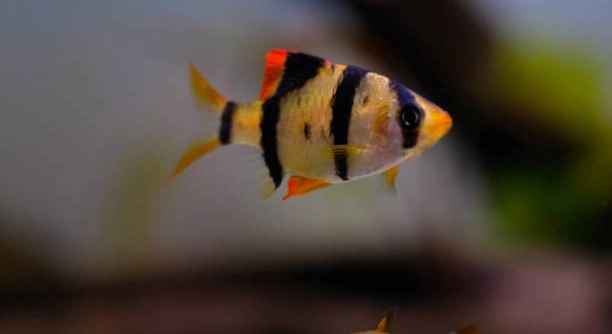
Barbs are lively fish known for their active nature and striking colors. Many aquarists enjoy keeping them in community tanks but wonder which tankmates will coexist peacefully with barbs. Choosing compatible fish helps maintain a balanced and healthy aquarium environment.
Barbs often get along well with species that share similar temperaments and water requirements. Suitable tankmates include danios, gouramis, tetras, rasboras, loaches, corydoras, and certain rainbowfish. These fish tend to tolerate the barbs’ active behavior without conflict.
Knowing which fish pair well with barbs supports a harmonious aquarium setup. The following guide will highlight seven tankmates that typically thrive alongside barbs.
Danios: Active and Hardy Companions
Danios are small, energetic fish that can keep up with the lively nature of barbs. They thrive in similar water conditions, making them easy to care for alongside barbs. Their quick movements and peaceful temperament help them avoid conflict. Danios tend to school near the top of the tank, which contrasts nicely with barbs swimming in the mid-levels. This separation reduces competition for space. Additionally, danios are hardy fish, tolerating a range of water parameters, which adds stability to the tank environment. They usually reach about 1.5 to 2 inches in length, so they won’t overshadow the barbs. Danios’ shimmering colors also enhance the visual appeal of the aquarium. Feeding is simple since they accept flakes, pellets, and live foods. Keeping danios in groups of five or more encourages natural schooling behavior, which adds to the tank’s dynamic. Overall, danios are reliable tankmates for barbs in a community setup.
Danios remain peaceful and active without disturbing barbs, making them suitable companions. Their schooling behavior adds interest without increasing aggression.
Danios’ adaptability and calm nature complement barbs well. While barbs explore the middle and bottom areas, danios dart near the surface, creating balanced tank activity. This spatial separation minimizes stress and territorial disputes. Their peaceful nature means they won’t provoke the barbs or compete aggressively for food. Danios are also less likely to nip fins, a behavior sometimes seen in barbs. Keeping danios healthy involves providing ample swimming space and regular feeding. Their small size and quick movements fit naturally in a tank with barbs, preventing overcrowding. When combined, these species create a lively yet peaceful aquarium environment that is enjoyable to watch and maintain.
Gouramis: Peaceful and Colorful Tankmates
Gouramis offer calm behavior and vibrant colors that contrast well with barbs. They are less active but share similar water needs, allowing both species to coexist comfortably.
Gouramis tend to stay near the middle or top of the tank, which helps reduce direct interaction with barbs. They prefer calm waters, so a tank setup with plants and hiding spots benefits both species. Gouramis come in various sizes, but dwarf and pearl gouramis work best with barbs, as they are less likely to be intimidated. Their slow and gentle movements create a peaceful balance to the barbs’ busier swimming patterns. Although gouramis have long fins, they usually avoid fin-nipping behavior, minimizing conflict. Regular feeding with flakes or frozen foods keeps them healthy. In a community tank, gouramis add a touch of elegance without disturbing the harmony, making them excellent companions for barbs.
Tetras: Small but Social
Tetras are peaceful schooling fish that adapt well to barbs. Their small size and calm behavior make them good tankmates. They prefer to swim in groups, which reduces stress and keeps their behavior natural.
Tetras generally occupy the middle to upper water levels, which helps limit competition with barbs. Their bright colors add visual interest without overwhelming the tank. They are sensitive to water quality, so maintaining stable conditions benefits both tetras and barbs. Feeding is straightforward since tetras accept most flakes and small frozen foods. Groups of six or more tetras thrive best, enhancing their schooling instinct and minimizing skittishness. Their gentle nature helps prevent aggression, making tetras a harmonious choice alongside more active barbs.
While tetras and barbs differ in energy levels, they complement each other well in a shared aquarium. Barbs tend to be more boisterous, but tetras’ schooling calms the overall tank dynamic. Both species share similar water temperature and pH preferences, simplifying tank maintenance. Watching tetras’ coordinated swimming alongside barbs’ bold movements creates a balanced display. Proper space and hiding spots keep tetras safe from any occasional chasing. This combination results in a lively yet peaceful community where both fish can flourish comfortably.
Rasboras: Easygoing and Hardy
Rasboras are resilient fish that fit well with barbs due to their compatible water needs and temperament. Their schooling behavior helps them avoid conflict.
Rasboras’ modest size and peaceful disposition reduce the chance of aggressive encounters with barbs. They prefer middle to upper tank areas, which creates natural space division in the aquarium. Rasboras thrive in planted tanks, where they can find shelter and feel secure. Their simple diet consists of flakes, micro pellets, and occasional live foods. Keeping rasboras in groups of at least six promotes their natural schooling patterns, enhancing their comfort and reducing stress. Their calm presence balances the barbs’ high energy, resulting in a cohesive community tank.
Rasboras’ hardiness and ease of care make them ideal companions for barbs. Their compatibility in water parameters allows for simpler tank management. They rarely provoke or get provoked by barbs, maintaining a peaceful atmosphere. Together, they create dynamic movement without escalating aggression. Rasboras’ attractive colors and schooling behavior add charm and activity, making the tank visually pleasing. This partnership supports a stable environment where both species thrive with minimal intervention.
Loaches: Bottom-Dwelling Helpers
Loaches are peaceful bottom dwellers that complement barbs well. Their calm nature and scavenging habits reduce leftover food, helping keep the tank clean.
Loaches prefer hiding spots and gentle water flow. They usually stay out of the way of active barbs, preventing territorial disputes and stress in the tank.
Corydoras: Gentle Cleaners
Corydoras catfish are small, peaceful fish that share the bottom with loaches. They help clean uneaten food and detritus without disturbing barbs. Corydoras thrive in groups and prefer soft substrate to protect their sensitive barbels. Their social nature keeps them active but non-aggressive. These catfish appreciate planted tanks with hiding places, which reduce stress and mimic natural conditions. Corydoras’ peaceful temperament and bottom-dwelling habits make them excellent tankmates that maintain balance and cleanliness in community aquariums with barbs.
Rainbowfish: Bright and Active
Rainbowfish add vivid color and energy without aggression, making them suitable companions for barbs.
What tank size is best for barbs and their tankmates?
Barbs are active swimmers and need plenty of space to thrive. A minimum tank size of 30 gallons is recommended when keeping barbs with other fish. Larger tanks provide enough swimming room and help reduce territorial disputes. When adding multiple species like danios, tetras, or loaches, consider increasing the tank size to 40 or 50 gallons. This allows each fish enough territory and reduces stress from overcrowding. Adequate filtration and regular water changes are also essential to maintain water quality in bigger setups. Providing enough space ensures all species can swim comfortably and coexist peacefully.
Can barbs live with slow-moving or long-finned fish?
Barbs can be fin nippers, especially species like tiger barbs, so slow-moving or long-finned fish might become targets. Fish such as bettas or angelfish with flowing fins are often stressed by barbs’ fast, sometimes aggressive nature. It’s best to avoid pairing barbs with these types to prevent fin damage and stress. Instead, choose tankmates with similar activity levels and sturdier fins, such as danios or tetras. If you want to try slower fish, make sure the tank is large, heavily planted, and has plenty of hiding places to reduce encounters and protect vulnerable fish.
How many barbs should I keep together?
Barbs are schooling fish and should be kept in groups of at least five or six. Keeping fewer than five can lead to stress, aggression, or excessive chasing as they lack social structure. A group provides safety, disperses aggression, and encourages natural behavior. Larger groups help reduce bullying since the attention is spread across multiple fish. Pairing a good-sized barb group with compatible tankmates improves the aquarium’s social balance. However, make sure the tank is large enough to comfortably house the total number of fish, providing enough swimming space and hiding spots.
What water conditions suit barbs and their tankmates best?
Barbs and their compatible tankmates generally prefer slightly acidic to neutral pH levels, around 6.5 to 7.5. Water temperature should be kept between 72°F and 78°F (22°C to 26°C). These conditions mimic their natural habitats and keep fish healthy. Consistent water parameters are key to reducing stress and preventing disease. Regular testing of water quality, including ammonia, nitrites, and nitrates, helps maintain a stable environment. Barbs and most of their tankmates are adaptable but do best with moderate water hardness. Avoid sudden changes and provide proper filtration and aeration.
What should I feed barbs and their tankmates?
Barbs are omnivores and require a balanced diet of flakes, pellets, and live or frozen foods like brine shrimp or bloodworms. Their tankmates, such as tetras, danios, and rasboras, have similar dietary needs. Offering varied foods supports vibrant colors and good health. Feeding small amounts two to three times daily is ideal to avoid overfeeding and water pollution. Bottom dwellers like loaches and corydoras benefit from sinking pellets and occasional vegetable matter. Ensuring all fish get food means watching feeding behavior and adjusting if some are too shy or slow to eat.
How can I reduce aggression in a barb community tank?
Aggression can be minimized by keeping barbs in proper group sizes and choosing compatible tankmates. Providing plenty of hiding spots, plants, and decorations helps break sight lines and reduce territorial behavior. Keeping the tank well-maintained with regular water changes also keeps fish healthier and less prone to aggression. Avoid overcrowding and watch for signs of bullying or stress. If aggression persists, separating aggressive individuals or increasing group size can help. Feeding enough food and distributing it evenly prevents competition. A balanced community with compatible species supports a peaceful aquarium.
Are there any signs of stress or illness I should watch for?
Stress in barbs and tankmates often shows as faded colors, hiding, rapid breathing, or loss of appetite. Fin damage or torn fins can indicate aggression or poor water quality. Look for unusual swimming patterns or lethargy. Illness symptoms may include white spots, swollen areas, or clamped fins. Early detection is important to prevent spread and improve treatment outcomes. Maintaining clean water, stable parameters, and a balanced diet helps prevent stress and illness. Quarantining new fish before adding them to the tank reduces disease risk. Observing your fish daily helps catch issues early.
Choosing the right tankmates for barbs is important to create a peaceful and balanced aquarium. Barbs are active and sometimes a bit boisterous, so picking fish that can handle their energy without stress or aggression makes the tank more enjoyable for everyone. Fish like danios, tetras, rasboras, loaches, and corydoras tend to live well with barbs because they share similar water needs and behavior patterns. These companions usually avoid conflict by occupying different parts of the tank or schooling together, which helps reduce stress and territorial disputes. Proper tank size, water conditions, and careful feeding also play key roles in maintaining harmony among the fish.
It’s also important to keep barbs in groups of at least five or six. They are schooling fish and feel more secure when they have their own kind around. Smaller groups or solitary barbs may become aggressive or stressed, which can upset the balance with other species. Providing enough space in the aquarium helps reduce competition for swimming room and hiding spots. Adding plants and decorations creates natural barriers that keep fish separated when needed. Monitoring the fish regularly to spot early signs of stress or aggression allows for timely adjustments. Overall, planning ahead and maintaining a well-structured tank environment supports the health and happiness of barbs and their tankmates.
Barbs and their compatible companions bring life and color to a community tank when cared for properly. Choosing fish with similar water and behavioral needs makes daily care easier and prevents common problems. Each species plays a role in the tank, whether it’s schooling, bottom cleaning, or adding peaceful balance. When you create a suitable environment with proper tank size, water quality, and feeding routines, your barbs and their tankmates can thrive together. This combination offers a lively yet peaceful aquarium that is rewarding to maintain and observe over time.

Hello,
If you enjoy the content that we create, please consider saying a "Thank You!" by leaving a tip.
Every little bit helps us continue crafting quality advice that supports the health, happiness, and well-being of pets around the world, for pets of all shapes, sizes, and species.
We really appreciate the kindness and support that you show us!