
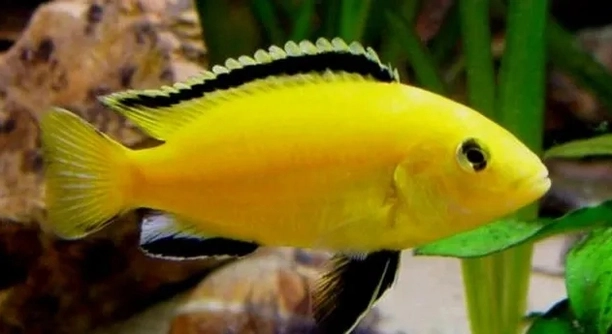
Do you ever find yourself struggling to choose the right tankmates for your African cichlids, hoping to avoid constant aggression?
African cichlids are known for their territorial behavior, but they can tolerate certain tankmates that match their size, temperament, and environmental needs. Proper selection reduces stress and supports healthier, more peaceful aquarium communities.
Choosing compatible companions can make your aquarium more stable and enjoyable. Let’s take a closer look at seven tankmates that often work well with African cichlids.
Rainbowfish
Rainbowfish are a peaceful and colorful species that can do well with African cichlids when conditions are right. They prefer similar water parameters, especially harder, more alkaline water, which is important for compatibility. Their fast swimming style also helps them avoid potential aggression from cichlids. Since they are active and bold, they can hold their own without appearing too aggressive. It’s best to choose larger species of rainbowfish, such as Boesemani, to avoid being seen as prey. Keep them in a group of at least six to reduce stress and allow natural schooling behavior. Providing enough space and hiding spots in the tank helps maintain harmony. Feed them high-quality flakes and occasional live or frozen foods for variety and health. Regular tank maintenance is key, especially with multiple active species sharing the same space. A 75-gallon or larger tank is usually recommended to support both species comfortably.
Rainbowfish add movement and color to a cichlid tank. They rarely compete for territory and bring balance to more aggressive setups.
With their speed, schooling behavior, and compatible water needs, rainbowfish can be a great choice if you’re looking to add variety without triggering fights. Just be sure to avoid smaller rainbowfish species, which might become targets.
Clown Loaches
Clown loaches can live with African cichlids when tanks are large and hiding spots are plenty. They prefer being in groups of at least five and need warm water with stable pH levels to stay healthy.
These bottom-dwelling fish are peaceful and stay mostly out of the way of African cichlids, who tend to stick to the middle and upper parts of the tank. Because of this natural separation, they are less likely to compete for space. Clown loaches also grow large enough—often over 10 inches—to avoid being bullied once fully grown. They are very active, especially at night, and help clean up leftover food, which keeps the tank cleaner. However, it’s important to make sure they are not outcompeted during feeding time, so sinking pellets or wafers are a good option. Keep the tank well-oxygenated and provide soft substrates, as clown loaches have sensitive barbels. Since they enjoy hiding, caves and driftwood help them feel secure. Their playful nature and bold patterns bring a nice contrast to a cichlid tank without adding conflict.
Synodontis Catfish
Synodontis catfish are one of the most reliable tankmates for African cichlids. They stay near the bottom, mind their own space, and match well in terms of temperament and water needs.
These catfish are armored and tough, which helps them avoid trouble with aggressive tankmates. They are nocturnal, so they stay hidden during the day and become more active at night, cleaning up uneaten food from the substrate. Their peaceful nature makes them a low-risk addition to most African cichlid tanks. Choose species like Synodontis multipunctatus or Synodontis petricola, as they thrive in harder, alkaline water. Keep them in groups of three or more to reduce stress and encourage natural behavior. Provide hiding spots like caves or rock piles where they can rest safely. They do best in tanks that are at least 55 gallons or larger.
Feeding is simple, but you’ll want to make sure food reaches them. Use sinking pellets and frozen treats like bloodworms to meet their dietary needs. African cichlids can be quick eaters, so adding food at lights-out can help your Synodontis get their share. These catfish don’t disturb the pecking order, making them ideal companions. Their unique patterns and calm personality add balance to a lively tank.
Bristlenose Plecos
Bristlenose plecos stay mostly out of the way and help keep the tank clean. Their armored bodies protect them from nips, and they don’t compete with cichlids for territory or food.
They’re small, hardy, and peaceful bottom-dwellers that thrive in similar water conditions to African cichlids. While most plecos grow too large for standard tanks, bristlenose plecos stay a manageable size, usually around five inches. Their diet includes algae, sinking wafers, and occasional vegetables like zucchini or cucumber. It’s best to house them in a tank with driftwood and plenty of hiding spots, especially since they are more active at night. A 40- to 55-gallon tank is usually enough for one or two. They don’t bother other fish and can even help reduce algae buildup on surfaces.
Their calm nature and hardiness make them a practical addition. They aren’t flashy, but their usefulness and low-maintenance care make them worth keeping around.
Giant Danios
Giant danios are quick swimmers that do well in active tanks. Their speed helps them avoid aggression, and they’re too large to be seen as food. They prefer to live in groups of six or more.
They tolerate the higher pH and hardness that African cichlids need. Their movement adds life to the upper areas of the tank.
Red-Tail Shark
Red-tail sharks can hold their own in a cichlid tank, as long as they have space and a clear territory. They are semi-aggressive and don’t back down easily, which keeps them from being picked on. Add caves or driftwood to give them their own area. Avoid keeping more than one in the same tank. They usually stay near the bottom and rarely challenge cichlids for space. While their bold color adds interest, make sure the tank is large enough—at least 55 gallons—to reduce any risk of stress or territorial fighting.
Yoyo Loaches
Yoyo loaches are active and sturdy enough to live with cichlids. They prefer groups, hide often, and help clean leftover food.
What makes a good tankmate for African cichlids?
A good tankmate for African cichlids needs to tolerate their territorial behavior and water conditions. African cichlids prefer harder, alkaline water, so any companion fish must thrive in similar parameters. Tankmates should be robust enough to handle occasional aggression but peaceful enough to avoid constant fighting. Size matters — fish that are too small may be bullied or eaten. Active swimmers that stay in different tank zones, like bottom dwellers or fast swimmers, reduce territorial disputes. Providing enough space, hiding spots, and maintaining water quality also helps tankmates coexist more peacefully.
Can small fish live with African cichlids?
Small fish generally do not fare well with African cichlids. Cichlids are territorial and may see tiny fish as food or competition. Many small species lack the speed or armor to defend themselves. However, some larger fast-moving fish, like giant danios, can sometimes coexist if the tank is large and well-decorated. It’s safer to avoid very small fish unless you have a very large tank with plenty of hiding places.
How important is tank size when keeping African cichlids with other fish?
Tank size is very important when mixing African cichlids with other species. Larger tanks allow fish to establish their own territories and reduce frequent confrontations. A minimum of 55 gallons is recommended when combining species, but bigger is better. Overcrowding or small tanks increase stress, aggression, and health problems. Providing plenty of rocks, caves, and plants creates natural barriers that help keep peace.
Are bottom-dwelling fish better tankmates for African cichlids?
Bottom-dwellers often make good tankmates because they occupy a different part of the tank than cichlids, who usually claim middle and upper levels. This natural separation reduces competition for space. Species like Synodontis catfish, bristlenose plecos, and clown loaches tend to stay near the bottom and out of cichlids’ way. Their peaceful nature and scavenging habits also help keep the tank clean.
Do African cichlids get along with other cichlid species?
African cichlids can get along with other cichlid species if they are similar in size, temperament, and come from similar environments. Mixing very aggressive or territorial cichlids with more peaceful ones usually causes problems. It’s best to research each species carefully and keep multiple individuals to spread aggression. Proper tank size and hiding places are essential to help reduce fights.
How can I reduce aggression in a mixed African cichlid tank?
Reducing aggression starts with choosing compatible species and maintaining a large tank with plenty of hiding spots. Providing caves, rocks, and plants lets fish claim separate territories. Keeping fish in groups helps spread aggression so no single individual is targeted. Feeding regularly and evenly prevents food-related fights. Monitoring water quality and avoiding overcrowding also lowers stress and aggression.
What foods work best for a mixed cichlid tank?
Feeding a variety of foods is important for mixed tanks. African cichlids generally eat high-quality pellets or flakes designed for cichlids. Tankmates like catfish and loaches benefit from sinking pellets and frozen or live foods like bloodworms or brine shrimp. Vegetables like zucchini or cucumber are good for plecos and loaches. Feeding multiple times a day in small amounts reduces competition and ensures all fish get enough nutrition.
Can I keep peaceful community fish with African cichlids?
Most peaceful community fish struggle with African cichlids due to their aggressive nature and specific water needs. Species like tetras or guppies usually don’t tolerate the cichlids’ behavior or the harder, alkaline water conditions. If you want community fish, look for robust, fast-moving species that match water parameters and won’t be bullied. Otherwise, sticking to compatible tankmates like bottom dwellers and larger active fish is safer.
How do I know if my tankmates are stressed?
Signs of stress include hiding excessively, loss of appetite, rapid breathing, faded colors, and unusual swimming patterns like darting or listlessness. If aggression is high, you may notice damaged fins or injuries. Monitor your fish regularly, and if stress signs appear, consider increasing hiding places, adjusting tank mates, or improving water quality. Stress lowers immunity and can lead to illness if not addressed quickly.
Is it necessary to quarantine new tankmates before adding them to an African cichlid tank?
Quarantining new fish is always a good idea. It helps prevent diseases and parasites from spreading to your established tank. African cichlids can be sensitive to infections due to stress from aggression or poor water quality. Quarantine for at least two weeks, observe for signs of illness, and treat if necessary before adding new fish to the main tank. This step protects all your fish and keeps the community healthy.
Choosing the right tankmates for African cichlids can be a challenge, but it is important for a peaceful and healthy aquarium. These fish have strong territorial instincts, so picking companions that can tolerate their behavior makes a big difference. Tankmates like rainbowfish, Synodontis catfish, and bristlenose plecos have traits that help them coexist well. They live in different parts of the tank or have tough bodies that help avoid constant fights. Also, many of these fish prefer similar water conditions, which keeps the environment stable for everyone.
It is important to remember that size, temperament, and space matter when mixing fish. Smaller or more delicate fish usually do not do well with African cichlids because they may get bullied or stressed. Bigger tanks with plenty of hiding spots help reduce aggression by giving fish their own areas. Feeding should be done carefully so all fish get enough food without competition. Water quality also plays a key role in keeping all fish healthy and calm. Regular maintenance and monitoring can prevent many problems before they start.
Adding the right tankmates can bring variety and balance to an African cichlid aquarium. Each species has its own way of moving, feeding, and living that can complement cichlids. With some planning and care, you can create a tank where different fish live together comfortably. Remember to research each fish’s needs and habits, and adjust your tank setup to fit them well. Taking these steps makes it easier to enjoy a beautiful, active aquarium with peaceful cohabitation.

Hello,
If you enjoy the content that we create, please consider saying a "Thank You!" by leaving a tip.
Every little bit helps us continue crafting quality advice that supports the health, happiness, and well-being of pets around the world, for pets of all shapes, sizes, and species.
We really appreciate the kindness and support that you show us!